



In today’s competitive digital marketplace, businesses are no longer competing solely on products or services—they are competing on perception, trust, and recognition. This is where branding becomes one of the most powerful assets a company can develop.
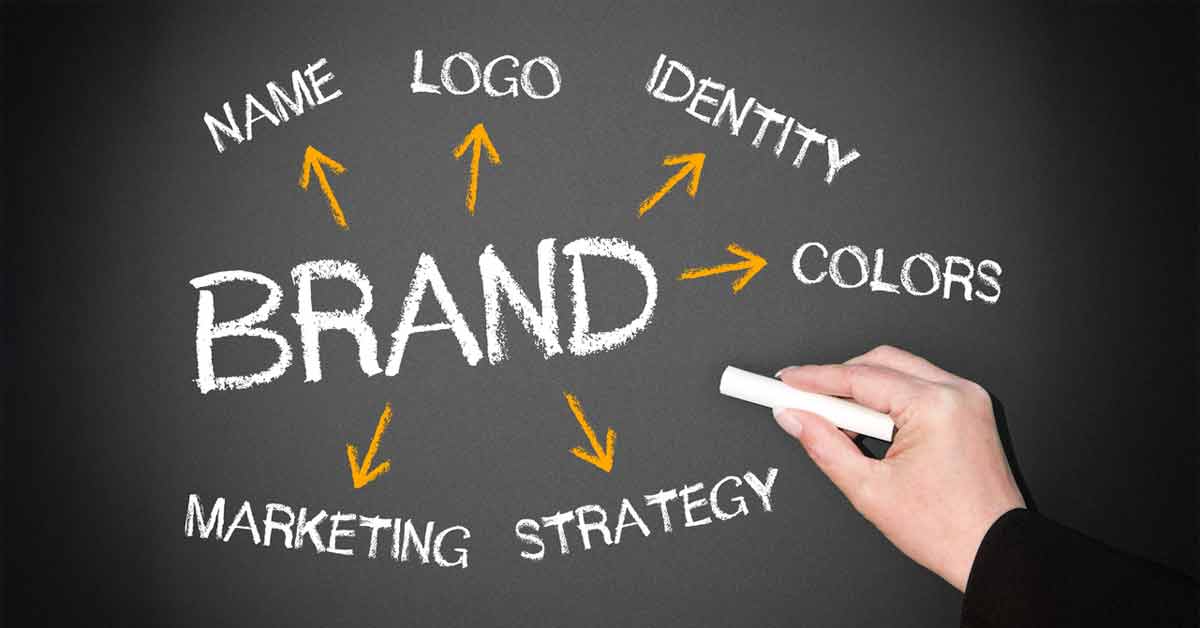
Branding is far more than just a logo or visual identity. It represents the overall experience customers have with a business, including its values, messaging, design, reputation, and emotional connection with the audience. Strong branding helps companies stand out in crowded markets, build customer loyalty, and create long-term business growth.
Many businesses struggle with inconsistent messaging, weak brand identity, or poor market positioning. Without a clear brand strategy, even great products can fail to attract attention or gain customer trust.
Understanding what branding is and how it works is essential for startups, entrepreneurs, and established companies looking to strengthen their market presence.
In this comprehensive guide, we will explore the fundamentals of branding, why it matters for modern businesses, and how organizations can build a powerful brand that drives long-term success.

What is Branding?
What is Branding?
Branding is the process of creating a unique identity for a business, product, or organization that distinguishes it from competitors and builds recognition, trust, and emotional connection with customers.
At its core, branding combines visual elements, messaging, brand values, and customer experiences into a cohesive identity that communicates what a company stands for.
While many people associate branding only with logos or colors, it actually encompasses much more, including:
- Brand strategy
- Brand positioning
- Brand messaging
- Visual identity
- Customer perception
- Market reputation
A strong brand helps customers instantly recognize a business and understand what it represents.
For example, when customers see a recognizable brand logo, color palette, or tone of voice, they immediately associate it with certain qualities such as reliability, innovation, luxury, or affordability.
In modern business environments, branding plays a critical role in differentiation and market positioning. As markets become more saturated and customers have more choices than ever before, companies must clearly communicate their unique value.
Effective branding also influences how customers feel about a company. When a brand consistently delivers quality experiences and communicates clear values, it builds credibility and long-term loyalty.
For startups and growing businesses, investing in branding early helps establish a strong foundation for marketing, customer acquisition, and future expansion.

Why Businesses Need Branding
Why Businesses Need Branding
Branding is not just about aesthetics—it directly impacts business performance, customer trust, and long-term growth. Companies that invest in strategic branding often experience stronger market presence and higher customer loyalty.
Below are some of the key reasons why branding is essential for modern businesses.
Builds Brand Recognition
One of the primary goals of branding is to make a business easily recognizable.
When customers consistently see the same logo, colors, messaging, and design across websites, social media, and marketing materials, they begin to remember and trust the brand.
Strong brand recognition increases the chances that customers will choose your business when making purchasing decisions.
Establishes Trust and Credibility
Consumers are more likely to buy from companies they trust. A professional brand identity signals reliability and professionalism.
Businesses with clear branding appear more established and credible, which is especially important for startups competing against larger companies.
Consistent branding across all platforms reinforces confidence in your products or services.
Creates Competitive Differentiation
Most industries today are highly competitive. Without branding, businesses often struggle to stand out.
Branding helps communicate what makes your company unique, whether it’s innovation, premium quality, affordability, or exceptional customer service.
A well-defined brand allows businesses to position themselves clearly in the marketplace.
Improves Marketing Effectiveness
Marketing campaigns become significantly more effective when supported by strong branding.
Branding provides:
- A consistent visual style
- A recognizable voice and tone
- Clear messaging
- Emotional appeal
These elements make marketing efforts more memorable and impactful.
Increases Customer Loyalty
Customers often develop emotional connections with brands they trust and relate to.
When businesses consistently deliver positive experiences and maintain a strong brand identity, customers are more likely to return and recommend the brand to others.
This leads to long-term loyalty and organic brand advocacy.
Supports Business Growth
Strong branding makes it easier for businesses to expand into new markets, launch new products, and scale operations.
A recognized brand carries credibility that helps attract customers, partners, and investors.
For growing companies, branding becomes a strategic asset that supports sustainable expansion.
Why Businesses Need Branding
Key Components of Branding
Successful branding involves multiple interconnected elements that work together to create a consistent and recognizable brand identity.
Below are some of the most important components of effective branding.
Brand Strategy
Brand strategy is the foundation of all branding activities. It defines how a business positions itself in the market and how it communicates with its audience.
A strong brand strategy includes:
- Brand purpose and mission
- Target audience definition
- Competitive positioning
- Brand messaging
- Brand personality
Without a clear strategy, branding efforts often become inconsistent and ineffective.
Visual Identity
Visual identity refers to the design elements that represent a brand visually.
This includes:
- Logo design
- Color palette
- Typography
- Graphic styles
- Imagery
- Brand design guidelines
A strong visual identity ensures consistency across websites, advertisements, packaging, and social media.
Consistent visual branding improves brand recall and strengthens recognition.
Brand Messaging
Brand messaging defines how a company communicates with its audience.
This includes:
- Brand voice and tone
- Taglines and slogans
- Core value propositions
- Marketing copy
- Website content
Clear messaging helps businesses communicate their value effectively and connect with their target audience.
Customer Experience
Branding is not only about what a company says—it’s also about what customers experience.
Every interaction with a brand contributes to its perception, including:
- Website usability
- Customer support
- Product quality
- Social media engagement
- After-sales service
A positive and consistent customer experience reinforces brand trust and loyalty.
Real-World Branding Use Cases
Branding is applied across industries to build recognition, trust, and long-term customer relationships. While the core principles remain the same, different industries implement branding strategies in ways that align with their market dynamics and customer expectations.
Healthcare
In healthcare, branding helps hospitals, clinics, and medical platforms build credibility and trust. Patients often choose healthcare providers based on reputation and perceived reliability.
Healthcare branding typically focuses on:
- Professional visual identity
- Clear communication of services
- Trust-focused messaging
- Patient-centered experiences
For example, healthcare startups often develop branding that emphasizes care, reliability, and medical expertise to attract patients and build long-term relationships.
Finance & Banking
Financial institutions rely heavily on branding because customers must trust them with sensitive financial matters.
Strong financial branding often communicates:
- Security
- Stability
- Transparency
- Professionalism
Banks, fintech companies, and investment platforms use consistent branding across mobile apps, websites, and marketing campaigns to create a reliable and trustworthy image.
Retail & E-commerce
Retail brands focus on creating memorable customer experiences and emotional connections.
Branding in this sector often includes:
- Distinctive visual identity
- Lifestyle-focused messaging
- Product storytelling
- Consistent digital presence
Successful e-commerce brands often build strong identities through consistent product presentation, packaging, and social media branding.
Logistics & Supply Chain
Logistics companies use branding to emphasize efficiency, reliability, and operational strength.
Branding helps them communicate:
- Fast delivery capabilities
- Global reach
- Advanced technology systems
- Dependable service
Clear branding can significantly influence business partnerships and B2B client relationships in the logistics sector.
Education
Educational institutions and e-learning platforms use branding to communicate knowledge, innovation, and credibility.
Strong educational branding highlights:
- Quality of education
- Expertise of instructors
- Student success stories
- Learning outcomes
This helps institutions attract students and establish authority in their field.

Why Businesses Need Branding
Branding Implementation Process
Building a strong brand requires a structured and strategic approach. Businesses typically follow several stages when developing or refining their brand identity.
Business Requirement Analysis
The first step involves understanding the business goals, target audience, market competition, and brand vision.
This stage includes:
- Market research
- Audience analysis
- Competitor review
- Brand positioning strategy
These insights help define how the brand should appear and communicate.
Strategy & Planning
Once research is complete, businesses develop a comprehensive branding strategy.
This includes:
- Brand purpose and mission
- Brand messaging framework
- Visual identity direction
- Communication tone and style
A well-defined strategy ensures long-term brand consistency.
Design & Development
In this phase, the visual and communication elements of the brand are created.
This may include:
- Logo design
- Color palette and typography
- Brand guidelines
- Website and digital design assets
- Marketing materials
The goal is to create a cohesive brand identity across all platforms.
Testing & Deployment
Before fully launching the brand, businesses often test the branding elements across different channels.
This includes:
- Website implementation
- Social media integration
- Marketing campaigns
- Customer experience validation
Testing ensures the brand works effectively in real-world scenarios.
Optimization & Scaling
Branding is an ongoing process. Businesses continuously refine their branding as markets evolve.
Companies may update:
- Brand messaging
- Visual elements
- Marketing strategy
- Customer engagement approach
Continuous optimization keeps the brand relevant and competitive.
Challenges & Considerations
While branding offers significant business advantages, companies often face several challenges when developing or managing their brand identity.
One common issue is inconsistent branding across platforms. When a business uses different logos, messaging styles, or visual elements across websites, social media, and marketing materials, it weakens brand recognition.
Another challenge is unclear brand positioning. Without a clear value proposition, businesses struggle to communicate what makes them unique.
Additionally, companies may face difficulties adapting their branding as markets change. Customer expectations, technology, and industry trends evolve rapidly, requiring brands to stay flexible while maintaining consistency.
To overcome these challenges, businesses should establish clear brand guidelines, maintain consistent messaging, and regularly review their branding strategy.
Future Trends in Branding
Branding continues to evolve as technology and consumer behavior change. Businesses must stay aware of emerging trends to remain competitive.
One major trend is digital-first branding. As more customer interactions happen online, companies are focusing on digital experiences, including websites, apps, and social media platforms.
Another growing trend is personalized branding. Businesses increasingly use data and analytics to tailor brand messaging and experiences to individual customer preferences.
AI-powered marketing and brand analytics are also transforming branding strategies. Artificial intelligence allows companies to analyze customer behavior, optimize campaigns, and deliver targeted content more effectively.
Additionally, modern consumers value authenticity and transparency. Brands that communicate clear values and demonstrate social responsibility often build stronger relationships with their audiences.
As technology advances, branding will continue to integrate design, data, and customer experience into a unified strategy
Why Choose M4YOURS IT
Building a powerful brand requires both strategic thinking and creative execution. M4YOURS IT provides professional branding and digital solutions designed to help businesses establish strong market identities.
Our team combines expertise in branding strategy, UI/UX design, digital marketing, and technology development to create impactful brand experiences.
We help businesses:
- Develop strong brand strategies
- Create professional visual identities
- Build modern, high-performing websites
- Maintain consistent branding across digital platforms
- Strengthen brand presence through digital marketing
With a business-focused approach and deep technical expertise, M4YOURS IT delivers scalable branding and digital solutions that support long-term growth.
Whether you are launching a new startup or rebranding an established company, our team can help you build a brand that stands out in today’s competitive marketplace.
Branding in business refers to the process of creating a unique identity for a company through visual design, messaging, and customer experience. It helps businesses build recognition, trust, and emotional connections with their target audience, making them more competitive in the marketplace.
Branding is important because it helps businesses stand out from competitors, build customer trust, and create long-term relationships. A strong brand identity improves marketing effectiveness, increases brand recognition, and supports business growth.
The main elements of branding include brand strategy, visual identity, brand messaging, customer experience, and brand positioning. These components work together to create a consistent and recognizable identity for a business.
Strong branding creates consistency and professionalism, which helps build trust with customers. When people see a recognizable brand that communicates clearly and delivers quality experiences, they are more likely to choose that brand.
Branding focuses on defining a company’s identity, values, and perception in the market, while marketing involves promoting products or services to attract customers. Branding provides the foundation that makes marketing campaigns more effective.
Small businesses can build strong brands by defining their brand purpose, understanding their target audience, creating a consistent visual identity, and delivering positive customer experiences across all platforms.
Brand positioning is the process of defining how a brand is perceived in relation to competitors. It focuses on highlighting the unique value or advantage a business offers to its target audience.
Building a strong brand is an ongoing process that can take months or even years. Consistent messaging, quality customer experiences, and long-term marketing strategies are essential for successful brand development.
Yes, effective branding can increase revenue by improving brand recognition, attracting more customers, and building loyalty. Customers often prefer brands they trust, which leads to repeat purchases and long-term growth.
A company should consider rebranding when its current brand no longer reflects its vision, services, or market positioning. Rebranding may also be necessary during major business changes such as mergers, market expansion, or strategy shifts.
Conclusion
Branding is one of the most valuable assets a business can develop. It goes beyond logos and design elements to represent the identity, values, and reputation of a company.
A strong brand helps businesses build recognition, establish trust, differentiate themselves from competitors, and create lasting relationships with customers.
By investing in strategic branding, organizations can improve marketing effectiveness, strengthen customer loyalty, and support long-term business growth.
As markets continue to evolve, businesses that prioritize consistent, authentic, and customer-focused branding will be better positioned to succeed.
Companies looking to build a powerful brand should focus on clear strategy, strong visual identity, consistent messaging, and meaningful customer experiences.