





Responsive Website Design
Professional Responsive Website Design Services
Professional responsive website design services that ensure websites adapt seamlessly across desktops, tablets, and mobile devices while delivering consistent performance and user experience.
Responsive website design ensures that websites automatically adjust their layout, content, and interface elements to provide an optimal viewing experience across different devices and screen sizes.
At M4YOURS IT, our Responsive Website Design services focus on creating websites that function seamlessly across desktops, laptops, tablets, and smartphones. Our design approach prioritizes usability, performance, and modern visual presentation to ensure users can access content easily regardless of the device they use.
We use flexible layouts, responsive grids, adaptive images, and mobile-friendly navigation systems to ensure that websites remain accessible and visually appealing across all devices.
Responsive design is essential for modern digital experiences because a large percentage of website traffic now comes from mobile devices. Businesses that invest in responsive design can improve user engagement, search engine rankings, and overall website performance.
Why Businesses Need Responsive Website Design
Modern users access websites from multiple devices. A website that does not adapt properly to different screen sizes can create poor user experiences and drive visitors away.
Responsive design ensures that websites remain accessible, visually consistent, and easy to navigate across all devices.
Key Benefits
- Mobile-Friendly User Experience: Responsive websites ensure users can easily browse and interact with content on smartphones and tablets.
- Improved Search Engine Rankings: Search engines prioritize mobile-friendly websites in search results.
- Consistent Multi-Device Experience: Websites maintain the same functionality and design quality across all devices.
- Better Website Engagement: Users are more likely to stay on websites that provide smooth navigation and readability.
- Future-Proof Web Design: Responsive frameworks ensure compatibility with new devices and screen sizes.
- Improved Website Performance: Responsive design improves loading speed and overall site usability.
[ Blog ]
Responsive Website Design
Explore expert insights, industry trends, and practical guides that help organizations understand AI adoption strategies, technology requirements, and best practices for implementing artificial intelligence successfully.av
Responsive Website Design Services
At M4YOURS IT, we design responsive websites that provide seamless user experiences across all devices. Our responsive design solutions ensure that websites are accessible, visually appealing, and optimized for performance.

Mobile-First Website Design
Mobile-first website design focuses on designing websites primarily for mobile devices before scaling the layout for larger screens. This approach ensures that essential content and navigation remain clear and accessible for smartphone users.

Responsive Layout Design
Responsive layout design uses flexible grid systems and adaptive design techniques to ensure that website layouts adjust automatically to different screen sizes. This ensures content remains readable and visually balanced on all devices.

Adaptive Image Optimization
Adaptive image optimization ensures that images automatically adjust their size and resolution depending on the device being used. This improves loading speed and ensures images display clearly across devices.
Responsive Website Redesign
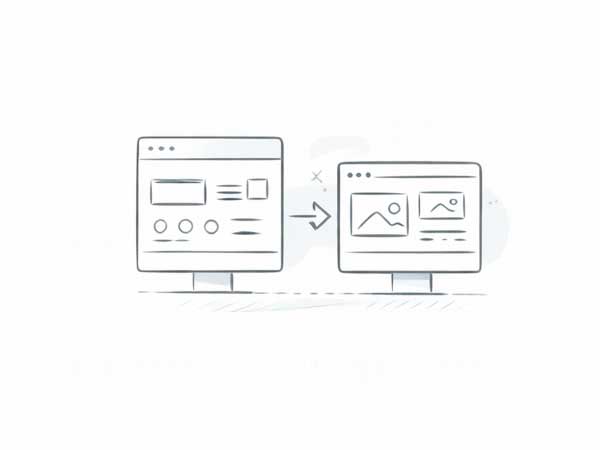
Responsive website redesign services help businesses update older websites that are not optimized for mobile devices. Our team redesigns layouts, navigation, and visual structures to ensure the website works seamlessly across all screen sizes.

Responsive Navigation Design
Responsive navigation design focuses on creating mobile-friendly navigation systems such as collapsible menus, simplified navigation bars, and touch-friendly interface elements.

Cross-Device Interface Testing
Cross-device interface testing evaluates how websites perform across different devices, browsers, and screen sizes to ensure consistent functionality and user experience.

Our Responsive Website Design Working Process
At M4YOURS IT, we follow a structured design process to create responsive websites that provide seamless user experiences across all devices. Our approach ensures that every website is visually consistent, easy to navigate, and optimized for performance on both desktop and mobile platforms.
Website Strategy & User Analysis
We analyze your business goals, target audience, and website requirements to define the structure and functionality of the responsive design.
Mobile-First Layout Planning
Our design team plans mobile-first layouts to ensure that the website structure works efficiently on smaller screens before adapting it to larger devices.
Responsive Interface Design
Designers create flexible layouts, adaptive grids, and scalable design elements that automatically adjust to different screen sizes.
Cross-Device Testing & Optimization
We test the website design across various devices, screen resolutions, and browsers to ensure consistent usability and visual presentation.
Development Handoff & Implementation Support
Final responsive design files and documentation are delivered to development teams to ensure smooth implementation and accurate design execution.
[ Portfolio ]
Responsive Website Design
Explore our portfolio of responsive website design projects including business websites, corporate platforms, and digital product interfaces developed to deliver seamless experiences across multiple devices.
Why Choose M4YOURS IT
At M4YOURS IT, we combine modern web design practices with user-centered design strategies to build responsive websites that deliver excellent digital experiences across all devices.
Our responsive design solutions focus on usability, performance, and long-term scalability.
Key Advantages
- Mobile-First Design Approach: We prioritize mobile usability to ensure websites perform effectively on smartphones and tablets.
- Modern Responsive Design Frameworks: Our designs use flexible grids, adaptive layouts, and scalable design systems.
- Cross-Device Compatibility: Websites are optimized for desktops, laptops, tablets, and smartphones.
- Performance-Focused Design: Responsive layouts improve loading speed and overall website performance.
- User-Friendly Navigation Systems: Navigation structures are designed for both desktop and touch-based mobile interactions.
- SEO-Friendly Website Structure: Mobile-friendly websites improve search engine rankings and visibility.
- Professional Web Design Standards: Our responsive designs follow global usability and web design best practices.
Frequently Asked Questions
Responsive website design is a web design approach that allows websites to automatically adapt their layout and content to different screen sizes and devices. This ensures that users can easily view and interact with the website whether they are using a desktop computer, tablet, or smartphone.
Responsive design uses flexible grids, scalable images, and adaptive navigation systems to provide a consistent user experience across devices.
Responsive design is important because users access websites from many different devices. If a website does not display properly on smaller screens, visitors may leave the site quickly.
A responsive website ensures that content remains readable, navigation is easy to use, and users can interact with the website comfortably on any device. This improves user engagement and overall website performance.
Yes, responsive design can positively impact SEO. Search engines such as Google prioritize mobile-friendly websites when ranking search results.
A responsive website improves usability, loading performance, and accessibility across devices. These factors contribute to better search engine rankings and improved online visibility.
Responsive websites use flexible layouts that automatically adjust to different screen sizes. A single responsive website works across all devices.
Mobile websites, on the other hand, are separate versions of a website specifically designed for mobile devices. Responsive design is generally preferred because it provides a unified experience across all devices.
Any organization planning to implement artificial intelligence solutions should conduct an AI readiness assessment first. This includes startups exploring AI-powered products, SMEs looking to automate operations, and enterprises planning large-scale AI transformation initiatives.
Industries such as finance, healthcare, retail, logistics, marketing, and manufacturing particularly benefit from evaluating AI readiness before implementing machine learning or automation systems.
The timeline for designing a responsive website depends on the complexity of the project and the number of pages involved. A small business website may take a few weeks, while larger corporate or eCommerce websites may require more time.
At M4YOURS IT, we follow a structured design workflow that includes layout planning, responsive interface design, cross-device testing, and refinement. This process ensures the website performs smoothly across different screen sizes and devices.
Yes, responsive websites are designed to function across a wide range of devices including desktops, laptops, tablets, and smartphones. The layout automatically adjusts based on screen size and resolution.
Our design process includes cross-device testing to ensure the website works properly on different operating systems, browsers, and devices. This ensures a consistent experience for all users.
Responsive design can improve website performance when implemented correctly. Optimized layouts, adaptive images, and mobile-friendly structures help improve loading speed and usability.
A faster and more accessible website creates better user experiences and encourages visitors to stay longer and explore more content.
Yes, responsive websites are built using flexible layouts and scalable design frameworks that can adapt to new screen sizes and devices.
This future-proof approach allows websites to remain functional and visually consistent as new devices and technologies emerge.
Businesses can begin a responsive website design project by contacting the M4YOURS IT team and sharing details about their website goals, target audience, and desired features.
Our team will analyze the project requirements and develop a responsive design strategy that ensures the website delivers excellent performance and usability across all devices.
Ready to Build a Mobile-Friendly Website?
Modern users expect websites to work seamlessly across all devices. With professional Responsive Website Design services from M4YOURS IT, your business can deliver a consistent, fast, and user-friendly experience on desktops, tablets, and smartphones.
Contact M4YOURS IT today to design a responsive website that improves usability, engagement, and online performance.