

Requirement Gathering & Scope Planning
Strategic Requirement Analysis and Scope Planning for Successful Digital Projects
Define clear project requirements, scope boundaries, and technical expectations to ensure efficient delivery, reduced project risks, and successful website or software development outcomes.
Requirement gathering and scope planning are essential phases in any successful website or digital product development project. Without clearly defined requirements and project scope, businesses often experience delays, miscommunication, and unexpected development costs.
At M4YOURS IT, our requirement gathering and scope planning services help businesses transform project ideas into structured and actionable project specifications. Our consultants work closely with stakeholders to identify business objectives, system requirements, and technical constraints that will shape the development process.
Through workshops, stakeholder interviews, and structured documentation processes, we define the functional requirements, technical specifications, integrations, and performance expectations of the project. This ensures designers, developers, and project managers clearly understand the scope of work before development begins.
By establishing well-defined requirements and scope boundaries, businesses can improve project efficiency, reduce development risks, and ensure the final solution meets both technical and business expectations.
Why Businesses Need Requirement Gathering & Scope Planning Service
Many digital projects fail or exceed budget because requirements are poorly defined or constantly changing. Requirement gathering ensures that all stakeholders share a clear understanding of the project goals, functionality, and technical expectations.
Scope planning prevents project expansion beyond initial expectations and ensures resources are used efficiently throughout the development lifecycle.
Key Benefits
- Clear Project Requirements: Requirement gathering defines business goals, system functionality, and technical specifications before design or development begins.
- Reduced Project Risks: Structured requirement analysis minimizes misunderstandings, scope changes, and costly project delays during development.
- Improved Development Efficiency: Developers and designers receive clear documentation that allows them to work efficiently and deliver results faster.
- Better Stakeholder Alignment: Requirement workshops ensure all project stakeholders share the same expectations and priorities.
- Accurate Project Estimation: Scope planning enables accurate cost, timeline, and resource estimates for the project.
- Scalable Project Architecture: Requirement analysis ensures the digital platform can scale and evolve with business growth.
[ Blog ]
Requirement Gathering & Scope Planning
Explore expert insights, requirement analysis frameworks, and project planning strategies that help businesses deliver successful digital projects.


Requirement Gathering & Scope Planning Services
Requirement gathering and scope planning services from M4YOURS IT help businesses define the foundation of their digital projects before development begins.
Our consultants collaborate with stakeholders to understand business objectives, operational workflows, and technical requirements. Through structured workshops and discovery sessions, we document project requirements and define clear scope boundaries.
This structured planning approach ensures development teams have a detailed blueprint that guides design, development, and implementation. By clearly defining project scope, businesses can improve efficiency, reduce development risks, and ensure successful project delivery.
What We Do
Business Requirements Analysis
Business requirements analysis identifies the core objectives and operational needs that the digital solution must support. Our consultants analyze business processes, user needs, and expected outcomes to ensure the final system aligns with organizational goals and delivers measurable value.

Stakeholder Interviews & Discovery Workshops
Stakeholder interviews and discovery workshops help gather insights from decision-makers, project owners, and operational teams. These sessions uncover key expectations, pain points, and project priorities that influence system design and functionality requirements.

Functional Requirement Documentation
Functional requirement documentation defines how the system should behave and what features it must provide. This includes user roles, workflows, system interactions, and feature specifications that guide designers and developers during implementation.
Technical Requirement Planning
Technical requirement planning defines the technologies, integrations, performance standards, and infrastructure needed for the project. This stage ensures the system architecture supports scalability, security, and long-term operational performance.
Project Scope Definition & Roadmap
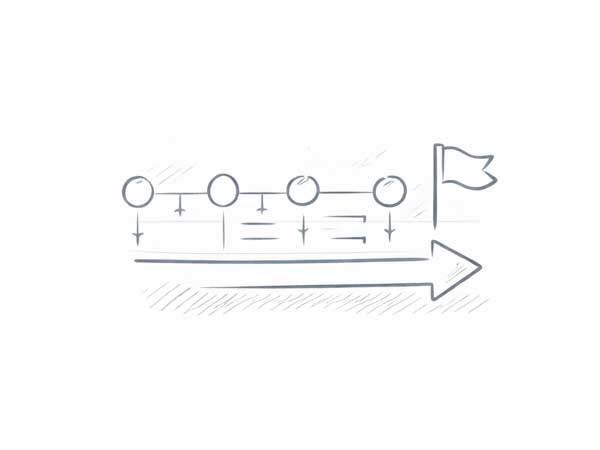
Scope definition establishes the boundaries of the project by clearly defining deliverables, timelines, and responsibilities. A structured project roadmap helps development teams plan milestones and ensures stakeholders maintain clear expectations throughout the project lifecycle.
Our Requirement Gathering & Scope Planning Process
A structured requirement gathering and scope planning process ensures that digital projects begin with clarity, alignment, and well-defined expectations. At M4YOURS IT, we follow a systematic approach to capture business needs, translate them into technical requirements, and establish a clear project roadmap.

Business Discovery & Stakeholder Alignment
We begin by conducting discovery sessions with business leaders, project owners, and key stakeholders. This step focuses on understanding business objectives, operational workflows, and the strategic goals that the digital project must support.
Requirement Analysis & Documentation
Our consultants collect and analyze business, functional, and technical requirements. These insights are documented in structured requirement specifications that guide design and development teams throughout the project lifecycle.
Scope Definition & Feature Prioritization
We define the project scope by identifying core deliverables, required features, integrations, and user roles. Prioritization ensures that the most critical capabilities are addressed while maintaining realistic timelines and budgets.
Technical Architecture Planning
During this stage, we determine the technical infrastructure, frameworks, integrations, and system architecture needed to support the project. This ensures scalability, performance, and security considerations are addressed early.
Project Roadmap & Implementation Planning
The final step produces a detailed roadmap outlining project milestones, deliverables, development phases, and implementation guidelines. This roadmap acts as a strategic blueprint for the entire project.
[ Portfolio ]
Requirement Gathering & Scope Planning
Our portfolio showcases projects where M4YOURS IT helped businesses define project requirements, plan scalable system architectures, and deliver structured digital solutions through effective scope planning and requirement analysis.
Why Choose M4YOURS IT

Selecting the right partner for requirement gathering and scope planning is critical to the success of any digital project. M4YOURS IT combines business analysis expertise, technical consulting experience, and structured project planning methodologies to help organizations launch successful digital initiatives.
Key Advantages
- Experienced Business Analysts: Our team includes experienced analysts who specialize in gathering complex business and technical requirements for digital solutions
- Structured Project Planning Frameworks: We follow proven requirement analysis methodologies that ensure projects begin with clear and comprehensive documentation.
- Scalable Solution Architecture: Our planning approach ensures that digital platforms are designed to support future growth and evolving business needs.
- Stakeholder-Centered Discovery Process: We engage business stakeholders, operational teams, and technical leaders to ensure all perspectives are considered during requirement planning.
- Transparent Documentation & Communication: Clear documentation ensures developers, designers, and stakeholders share a common understanding of the project.
- Technology & Integration Expertise: Our consultants evaluate integrations, APIs, and infrastructure requirements to ensure seamless system functionality.
- Risk Reduction & Scope Control: Clear scope definition helps prevent project overruns, scope creep, and unexpected development challenges.
- Results-Driven Project Planning: Every requirement analysis we conduct focuses on delivering measurable business value and operational efficiency.
Frequently Asked Questions
Requirement gathering is the process of identifying and documenting the needs, goals, and expectations of stakeholders for a digital project. It involves analyzing business objectives, user needs, system functionality, and technical constraints.
This stage ensures that all project participants clearly understand what the system must deliver before design and development begin. Requirement gathering typically includes interviews, workshops, documentation, and system analysis.
By capturing these details early in the project, businesses can avoid misunderstandings and ensure that the final product meets both operational and strategic goals.
Scope planning defines the boundaries of a project by outlining what will be delivered, what features will be included, and what timelines are expected. Without scope planning, projects can quickly expand beyond their original expectations.
This process helps control resources, manage timelines, and ensure development teams focus on the most important project goals. Scope planning also allows businesses to estimate budgets accurately and prevent scope creep.
By clearly defining project scope, organizations can ensure that the development process remains organized and efficient.
Requirement gathering typically includes three main types of requirements: business requirements, functional requirements, and technical requirements.
Business requirements define the strategic goals of the project. Functional requirements describe how the system should behave and what features it must include. Technical requirements define infrastructure, integrations, performance standards, and security considerations.
Together, these requirements create a comprehensive blueprint that guides designers, developers, and project managers during implementation.
Requirement gathering reduces project risks by identifying potential challenges before development begins. When project requirements are clearly documented, development teams can plan more effectively and avoid misunderstandings.
Clear documentation also reduces the likelihood of major changes during development, which can increase costs and delay timelines. By aligning stakeholders and defining expectations early, requirement gathering helps ensure projects remain on schedule and within budget.
Requirement gathering typically involves business stakeholders, project managers, business analysts, designers, developers, and sometimes end users. Each group provides valuable insights that influence the final system design.
Stakeholder participation ensures the project reflects real business needs and operational workflows. Collaboration between technical and business teams also helps ensure that the solution is both technically feasible and aligned with business goals.
During the requirement gathering phase, businesses receive structured documentation that outlines the functional, technical, and operational requirements of the project. These deliverables typically include requirement specification documents, user flow diagrams, system architecture recommendations, and scope definitions.
This documentation acts as a blueprint for designers and developers, ensuring they understand the exact expectations of the project. It also helps stakeholders validate that the project goals are correctly captured before development begins.
Having clear deliverables improves project transparency and significantly reduces misunderstandings during implementation.
The duration of requirement gathering depends on the size and complexity of the project. Smaller website projects may require only a few days of workshops and documentation, while larger enterprise platforms may require several weeks of discovery sessions.
Typically, the process includes stakeholder interviews, business process analysis, requirement documentation, and validation sessions. Taking sufficient time during this stage helps ensure that the development process runs smoothly and reduces the likelihood of major revisions later in the project lifecycle.
Yes, requirement gathering is often used when businesses want to improve or redesign an existing system. By analyzing current workflows, system limitations, and user feedback, consultants can identify areas where the system can be optimized.
This process helps businesses understand what improvements are needed and how new features should be implemented. Requirement analysis ensures that the updated system solves existing problems while introducing capabilities that improve efficiency and user experience.
Scope creep occurs when new requirements or features are added to a project after development has already begun. These unplanned additions can increase costs, extend timelines, and create confusion among project teams.
Scope planning prevents scope creep by clearly defining the project boundaries at the beginning. All stakeholders agree on the deliverables, timelines, and responsibilities before development begins. Any additional features can then be evaluated through a structured change management process.
Yes, even small projects benefit from requirement gathering because it ensures that expectations are clearly defined from the beginning. Without proper planning, even simple projects can experience confusion or unnecessary revisions.
Requirement gathering helps small businesses clarify their goals, prioritize important features, and create a structured development plan. This approach ensures the final solution delivers the intended results without wasting time or resources.
Start Your Project with Clear Requirements and a Strategic Scope
Successful digital projects begin with clear planning and structured requirements. Before starting development, ensure your project has the right foundation to avoid costly delays, miscommunication, and unexpected challenges.
M4YOURS IT provides professional requirement gathering and scope planning services that help businesses define their digital solutions with precision and clarity. Our consultants work closely with your team to capture business objectives, document requirements, and build a roadmap for successful project delivery.
Whether you are launching a new website, developing a software platform, or planning a digital transformation initiative, our team is ready to help you start the project with confidence.
Contact M4YOURS IT today to discuss your project and build a clear roadmap for success.

