

You have a limited budget and two competing priorities: improve how your business presents itself or invest in getting more people to notice it.
A new logo, a better website, social media content, and advertising may all seem useful. The harder question is which expense will help your business most right now.
For most small businesses, a practical starting point is to establish a clear brand foundation and a working way to enquire or buy, then begin focused marketing. If those essentials already work, prioritize reaching more relevant customers.
The right sequence depends on what is holding the business back. An unclear offer needs different work from a good offer that too few people encounter.
What Is the Difference Between Branding and Marketing?
Branding shapes how people identify your business, understand its offer, and form expectations about it. The work can include positioning, messaging, visual identity, and the experience you promise.
Marketing is broader than advertising. It includes understanding customers, developing and communicating offers, choosing channels, and helping people move toward a purchase.
The two overlap. For budget planning, this comparison can help:
| Work | Main question | Examples |
|---|---|---|
| Brand strategy | Who do we serve, and why should they consider us? | Audience research, positioning, value proposition, messaging |
| Brand identity | How will people identify us consistently? | Logo, colors, typography, imagery, reusable templates |
| Marketing activity | How will suitable buyers discover and evaluate the offer? | Search content, social media, advertising, demonstrations, events |
| Customer journey | Can interested people take the next step successfully? | Service pages, enquiry forms, checkout, quotations, follow-up |
A product demonstration can explain the offer and build brand associations at the same time. A website can express the identity while supporting enquiries and sales.
That is why the first decision should concern the business problem you need to solve.

Before Either Investment, Check the Customer and the Offer
If you are unsure who will buy, why they need the offer, or what alternatives they use, start with customer research.
Speak with prospective buyers. Ask what they are trying to accomplish, how they currently solve the problem, what they compare, and what information they need before deciding.
The U.S. Small Business Administration’s market research guidance recommends examining demand, customer location, competing alternatives, and pricing when assessing a market. Small Business Administration
For example, an education consultancy may discover that students need clearer information about its counselling process. A computer retailer may hear repeated questions about specifications, availability, and after-sales support.
Those findings can guide the message, the sales page, and the campaign.
A brand strategy and foundation project can help organize audience insights, positioning, and messaging into a direction your team can use.
Choose Your First Spend According to the Problem
Use the following situations as starting points for investigation.
| Your situation | First priority | What to check |
|---|---|---|
| People struggle to explain what you sell | Clarify the offer and core messaging | Can a prospective buyer describe the service or product accurately? |
| The offer is clear, customers are satisfied, but relevant reach is low | Test focused marketing and distribution | Where do suitable buyers discover businesses like yours? |
| Visitors arrive but rarely enquire or order | Review the page, evidence, offer, and customer journey | Are important details missing, or are forms and checkout difficult? |
| Enquiries arrive but rarely become sales | Review lead suitability, quotations, price fit, and follow-up | Why do prospects pause or choose another option? |
| Materials look unrelated or business details conflict | Correct identity and information consistency | Do the website, profiles, proposals, and emails clearly belong together? |
| Customers report delays or unresolved problems | Improve delivery and support | Can the business meet its current promises before increasing demand? |
Low sales alone do not establish that you need a rebrand. Equally, a successful advertisement does not establish that every part of the customer experience works.
Look at the evidence behind the symptom before buying a package.






What a Small Business Needs Before a Larger Campaign
The initial foundation should cover the materials and information customers actually encounter.
1. A Clear Offer for a Defined Audience
Write a short explanation of whom you serve, what you provide, and the relevant benefit.
For example:
“We build websites for education consultancies, with clear service information, student enquiry forms, and consultation booking.”
Use details your business can deliver. Check the wording with potential customers and adjust anything they misunderstand.
2. A Usable Visual Identity
Have a readable logo, a shared color palette, suitable typography, and a few reusable layouts.
Start with the applications you need most: perhaps a social profile, a proposal template, and a service page.
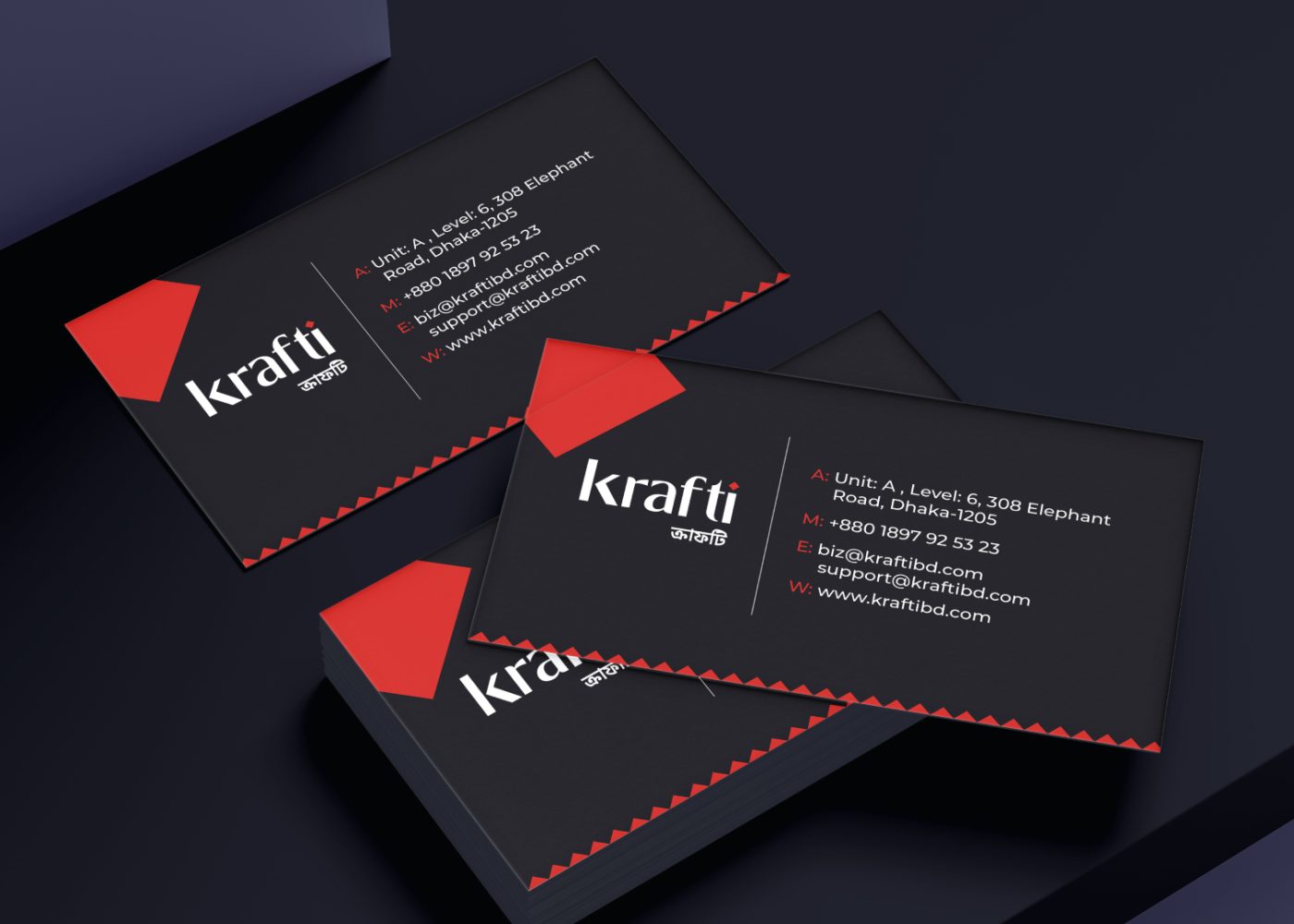
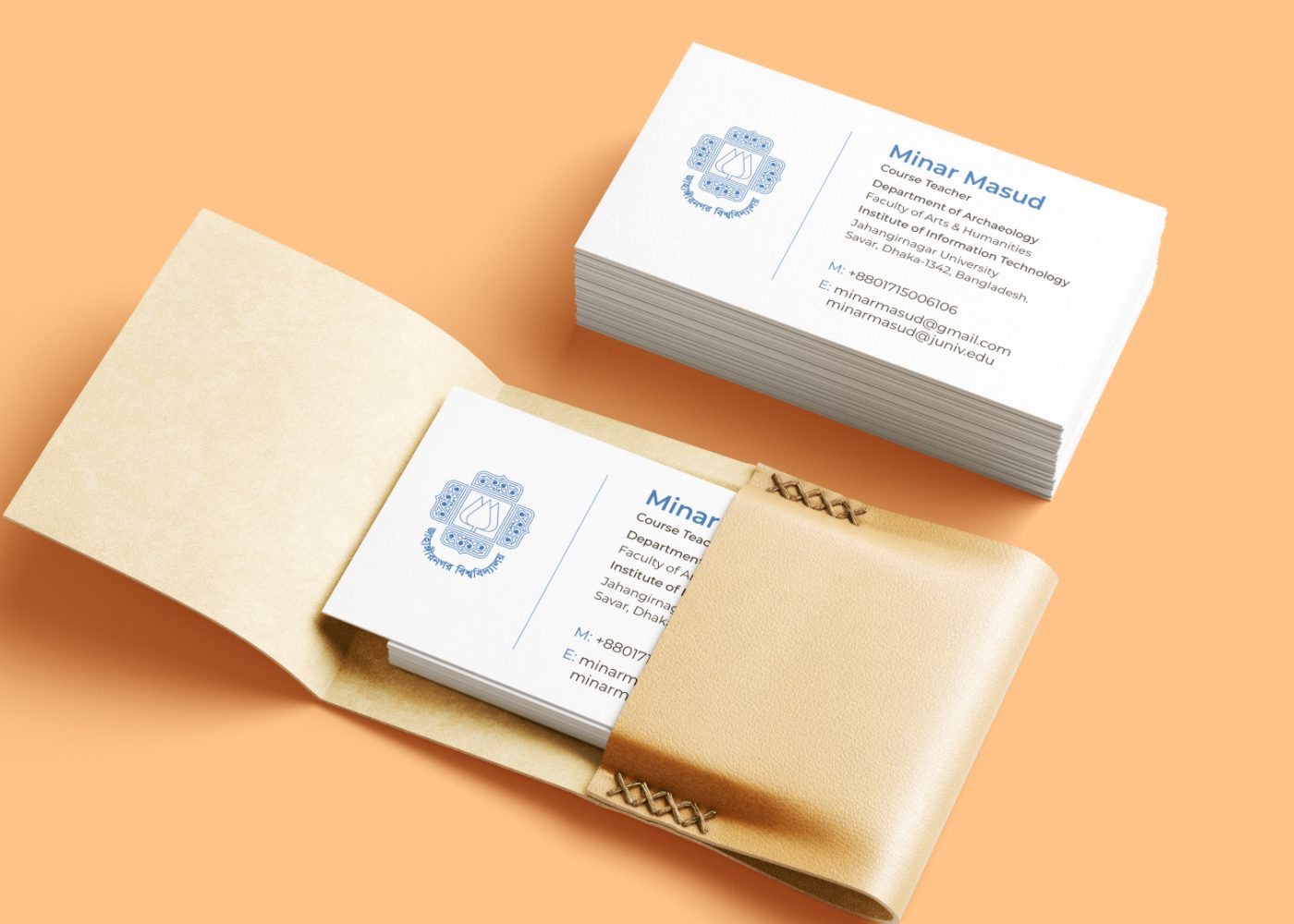
Professional logo design can address identification and application needs. A wider corporate identity design system can help when multiple people or suppliers produce business materials.
Match the scope to the business. A larger identity rollout becomes more useful as the number of applications and contributors grows.
3. Relevant Evidence and Identifiable Business Details
Give buyers something useful to assess: accurate product photographs, a demonstration, a genuine work sample, or clearly described experience.
Provide working contact details and explain who is responsible for the offer. Label concept projects and illustrative material accurately.
A business with few reviews can still make its offer understandable and provide evidence of capability.
4. Clear Expectations
Explain what is included, how pricing works, what happens next, and how customers obtain help.
Nielsen Norman Group’s website credibility research identifies design quality, upfront information, and complete, current content among the factors people use to assess trustworthiness. NN/G
Apply that finding by making relevant details accessible before asking for a major commitment.
5. A Working Next Step
Test the route from interest to action.
Submit the enquiry form. Open the contact link on a phone. Place a test order where appropriate. Confirm that someone receives the request and knows how to respond.
An attractive campaign needs a usable destination and a team ready to handle the response.
When Marketing Deserves More of the Budget
Give marketing greater attention when your offer is understandable, the purchasing journey works, and existing customers provide evidence that the business delivers.
Start with a defined objective and a channel you can manage.
For example:
- A service company might test a campaign leading to one relevant service page.
- A retailer might create demonstrations around a focused product selection.
- A local business might improve the information customers find when searching for its service.
- An agency might publish a detailed project example and distribute it to a relevant audience.
These are options to assess, not a channel ranking. Choose according to customer behavior, your resources, and how people buy the offer.
Paid advertising is one possible route. Content, partnerships, events, search visibility, and customer referrals also require planning and time.
The SBA’s marketing planning guidance brings together the target market, competitive advantage, sales process, activity plan, budget, and measurement. Small Business Administration
Use that approach: define what the activity should achieve and how the business will handle the interest it generates.
When Branding Deserves More Attention
Brand work deserves priority when customers misunderstand the offer, struggle to identify the business across channels, or receive conflicting messages.
It may also be useful when you enter a different market or introduce an offer that changes how the business should be understood.
The required work could be small. You might need a clearer service explanation and a consistent proposal template. Other situations require deeper positioning research or a wider identity system.
Before replacing familiar assets, check whether customers already recognize them and what problem a change would solve.
Keep useful recognition while correcting the parts that cause confusion.
A Hypothetical Tk 30,000 Starting Budget
Imagine a small business with an existing website, a deliverable offer, and a separate Tk 30,000 fund for initial improvements and a marketing test.
One possible planning allocation is:
| Activity | Illustrative allowance | Purpose |
|---|---|---|
| Clarify messaging and adjust essential identity materials | Tk 8,000 | Give the campaign a clear, consistent offer |
| Improve an existing page and its enquiry or ordering steps | Tk 5,000 | Help interested visitors understand and act |
| Prepare a small set of reusable content assets | Tk 5,000 | Support the chosen channel |
| Run a focused distribution test | Tk 9,000 | Reach potential buyers and gather evidence |
| Keep a reserve | Tk 3,000 | Address a problem identified during the test |
| Total | Tk 30,000 |
These are hypothetical allowances, not agency prices or recommended percentages. The example excludes a new website build, stock, operating expenses, and the owner’s time.
Use actual quotes and realistic scope. If your foundation already works, more of the fund could support distribution. If essential repairs cost more, reduce or postpone part of the test.
Account for ongoing content, campaign management, and maintenance when deciding what you can sustain.

Measure What Each Investment Is Supposed to Improve
Give each piece of work a question it should help answer.
| Investment | Useful checks |
|---|---|
| Clearer positioning and messaging | Can suitable buyers explain the offer? What remains unclear? |
| More consistent identity | Can people identify the business across its materials? |
| Campaign distribution | Are relevant buyers encountering the offer and taking useful actions? |
| Better sales or product pages | Do visitors find needed information and complete the intended step? |
| Enquiry follow-up | How many suitable enquiries progress, and why do others stop? |
Record enquiry sources, qualified enquiries, completed sales, acquisition spending, and recurring customer questions.
Define a qualified enquiry for your business. It might mean someone with a relevant need, suitable location, and realistic project scope.
Treat clicks and reactions as intermediate signals. Compare acquired sales with their associated costs, and account for product or delivery costs when assessing the commercial result.
Also consider timing. A service sale may take longer than a first-month campaign test, and some brand effects need a longer observation period.
Changes in seasonality, audience, or the offer can affect results. Small samples provide clues rather than firm proof of what caused a change.
A Practical First-Month Plan
Use the first month to connect the foundation with customer feedback.
- Week 1 — Investigate. Review recent enquiries, speak with prospective buyers, inspect competing offers, and identify the main obstacle.
- Week 2 — Prepare. Clarify the message, correct essential materials, publish relevant evidence, and test the customer journey.
- Week 3 — Launch a focused test. Use one offer, one clear objective, and a manageable channel. Record enquiries and follow up reliably.
- Week 4 — Review. Examine buyer questions, lead suitability, sales progress, costs, and operational problems. Choose the next improvement.
For search content or longer sales cycles, agree on a longer review horizon. The first month can establish a working process without settling every question about performance.
FAQ
Establish the essentials needed to explain and deliver the offer, then begin learning from real customer contact. Larger identity applications can follow as the business develops.
Review the current obstacle. A clear, credible business with limited visibility may benefit from focused distribution. An unclear offer or inconsistent identity may need attention before a larger campaign.
A logo provides an identifier. You also need a clear offer, relevant information, a usable next step, and the ability to fulfill the promise.
A useful allocation depends on the work already completed, customer needs, channel costs, and available resources. Separate one-time setup from ongoing activity and revise the allocation as evidence develops.
Yes, if suitable buyers use the chosen channels and you can produce and distribute useful content consistently. Include the time required when assessing its cost.
Investigate the audience, offer, creative, page, tracking, and follow-up first. Rebranding may address a specific identity or positioning problem, but poor campaign results alone do not identify that problem.
M4YOURS IT’s Brand Strategy & Foundation services cover audience research, positioning, and messaging. Our Corporate Identity Design services help apply a consistent direction across business materials.