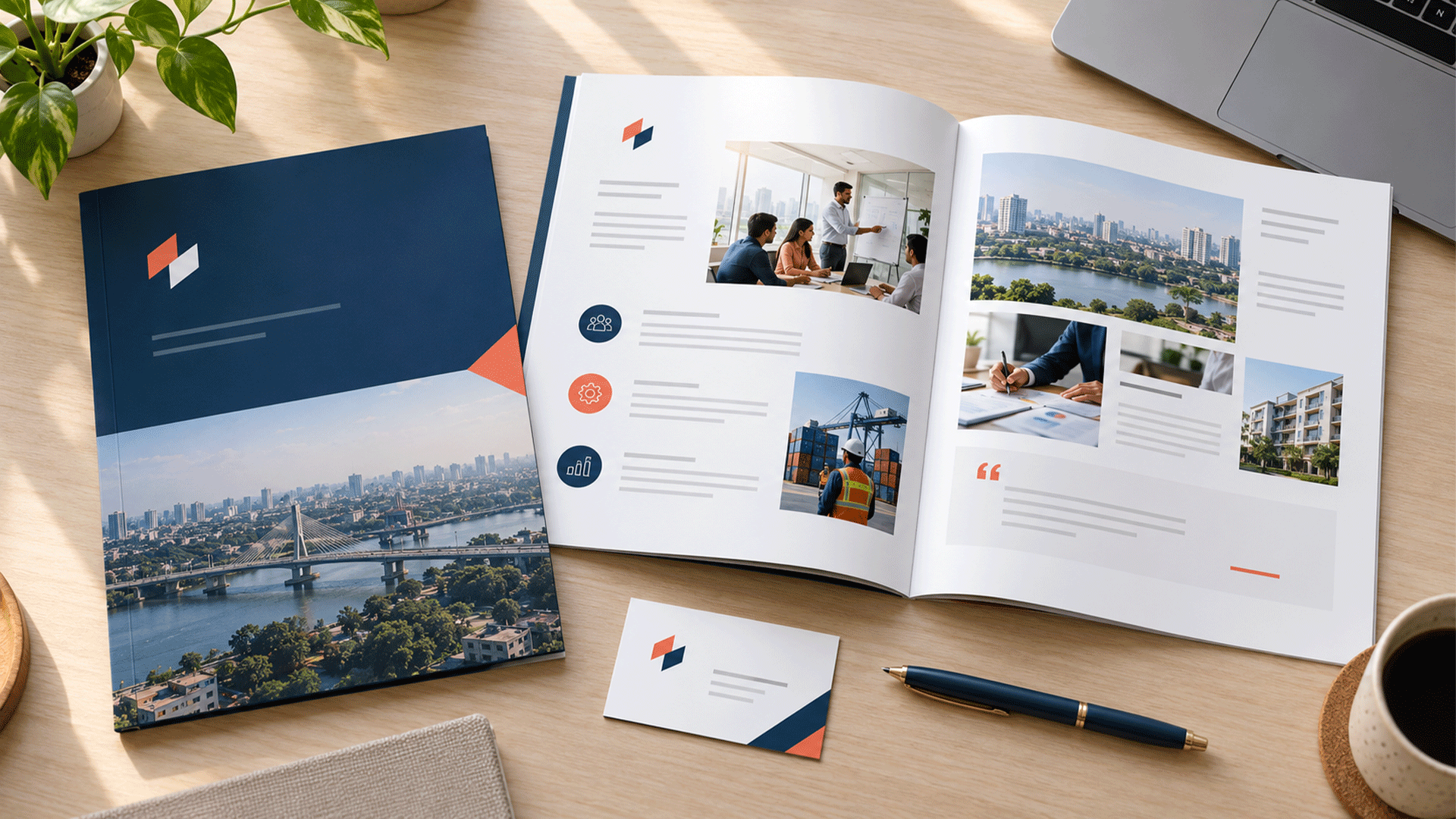

You already have a logo. Customers may have seen it on your website, business cards, invoices, or shopfront.
Now you want the rest of the business to look more coordinated.
Can you use that logo as the starting point for a complete identity?
Yes, you can build a complete corporate identity around an existing logo when the logo remains suitable for your business and its intended applications. The project can focus on the visual rules, templates, assets, and guidance that surround it.
The first step is to assess what you have. A missing artwork file, an unsuitable layout, and a change in business direction are different problems.
This guide explains when retaining the logo makes sense, what the identity project should add, and how to keep the scope clear.
What Does It Mean to Build Around an Existing Logo?
It means treating the approved mark as a starting asset and developing a coordinated system for its use.
That system may include:
- Colour roles and combinations.
- Typography for headings, body copy, and supporting information.
- Layout and spacing principles.
- Photography and graphic direction.
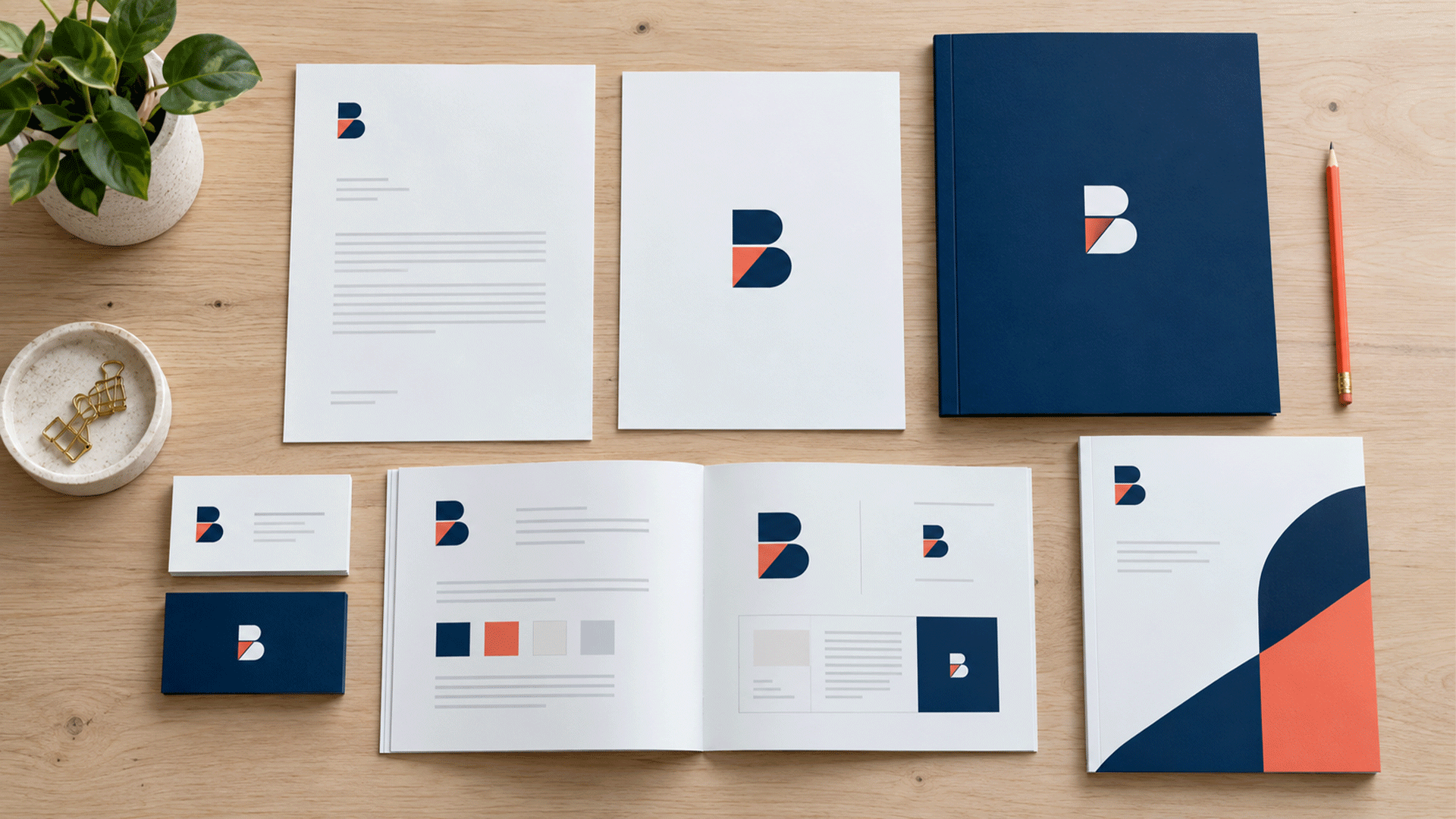
- Corporate stationery.
- Proposal, report, and presentation templates.
- Digital branding assets.
- Practical usage guidelines.
The logo stays part of a larger visual language.
“Complete” should refer to an agreed set of business needs. A consultancy, retailer, and manufacturer will require different applications.
The scope should specify what will be created, what will be implemented, and what the team will receive at handover.
When Does Keeping Your Logo Make Sense?
Retaining the mark is a reasonable option when it supports the current business direction and can work in the applications you need.
You may find that the logo is suitable, but its surrounding materials lack consistency.
For example:
- Proposals use several unrelated fonts.
- Social posts follow different colour palettes.
- Presentation slides come from older files.
- Employees cannot find approved artwork.
- Suppliers receive incomplete instructions.
Those issues do not, by themselves, establish that a new logo is necessary.
Consider existing recognition as well. Gather relevant customer feedback or other evidence rather than relying only on an internal belief that everyone knows the mark.
Assess what is useful and what is causing a specific problem.
2. Typography Beyond the Logo Lettering
A logo’s lettering has a specific role. It does not automatically provide a suitable type system for reports, proposals, or presentations.
Choose complementary typography for:
| Text role | What the system should establish |
|---|---|
| Main headings | Typeface, weight, scale, and spacing |
| Subheadings | Relationship to headings and body copy |
| Body text | Readable settings for recurring content |
| Tables and captions | Consistent supporting styles |
| Language versions | Suitable choices for required scripts |
| Fallbacks | Practical alternatives where needed |
Confirm the software and font access available to the team.
For a business communicating in Bangla and English, review realistic content in both languages. The aim is a coordinated system that people can maintain.
3. Supporting Graphics and Imagery
The identity can establish a visual character through photography, illustration, icons, shapes, patterns, or other agreed elements.
These choices should support the business direction and work with the logo.
A shape or proportion from the mark may inspire supporting graphics, but the identity does not need to repeat the symbol everywhere.
Specify the delivery clearly. Photography direction differs from supplying a photo library. Icon guidance differs from creating a complete icon set.
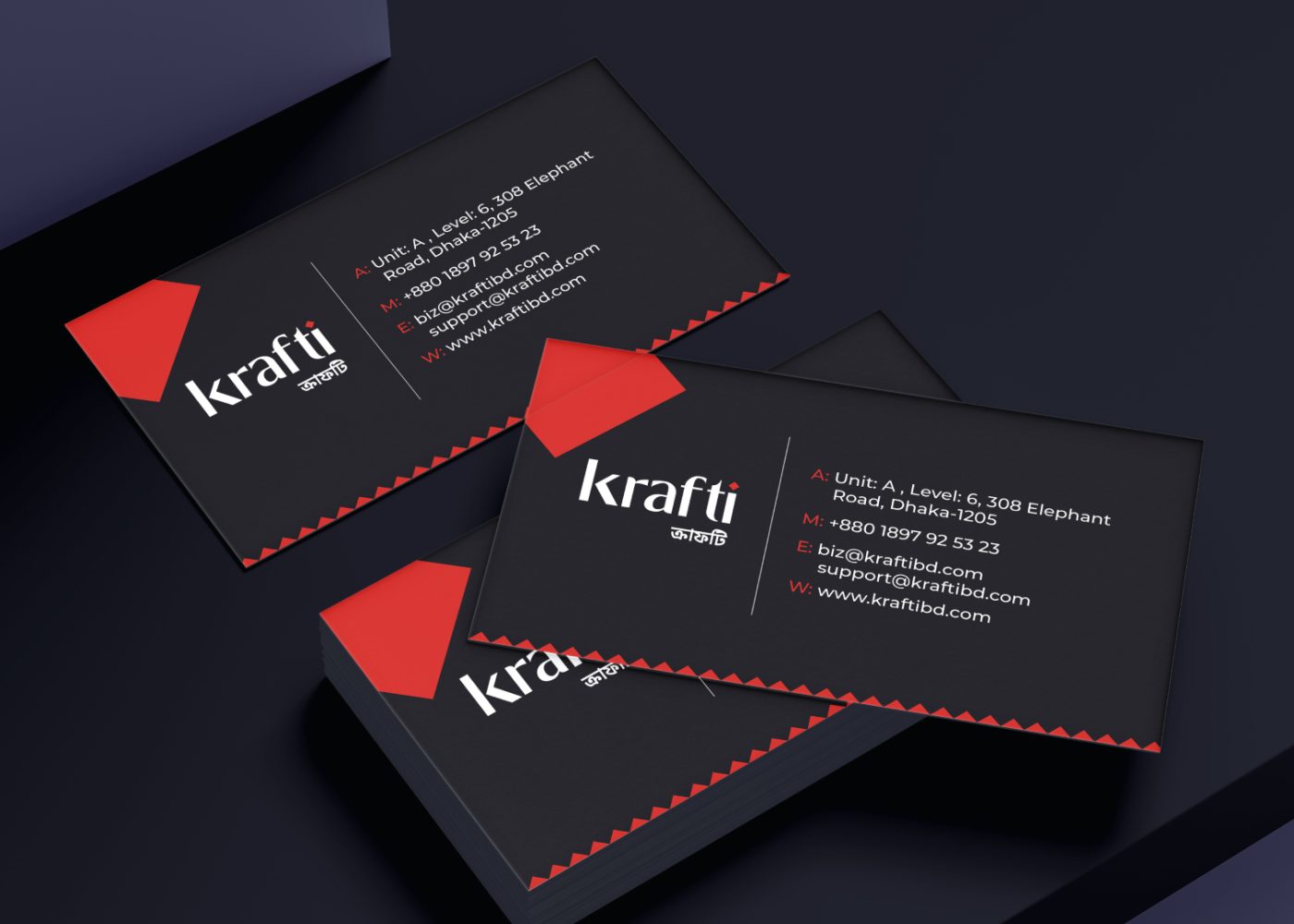
Use application examples to show how the elements work together.



4. Layout Principles
Define how content is arranged.
Useful rules can cover margins, alignment, spacing, image placement, heading hierarchy, and recurring page structures.
The same principles can support different layouts.
A report, social graphic, and website page should serve their own content and viewing conditions while remaining visibly connected.
Test the system with a short announcement, a longer service explanation, and a table. These examples can reveal whether the layout rules are practical.
5. Everyday Business Templates
Prioritize the materials the business uses regularly.
The scope may include:
- Letterheads and business cards.
- Proposals and quotations.
- Reports and recurring document pages.
- Presentation layouts.
- Email signatures.
- Social templates.
- Service sheets or company profiles.
Specify quantities, formats, languages, and editing requirements.
A visual mockup is useful for review. The handover should also include the working files and implementation agreed for the project.
What Do Practical Guidelines Look Like?
The guidelines should help people apply the system when the original designer is unavailable.
They should identify the approved logo and explain how it relates to colour, typography, imagery, layout, and applications.
For an example of that broader coverage, the Mastercard Foundation’s brand guidelines address marks, language, photography, colours, and typography, alongside approved artwork and usage instructions. mastercardfdn.org
Your guide should reflect your own business needs.
Include correct applications and examples of problems to avoid. Show where the current assets are stored and who maintains them.
Judge the document by whether it answers recurring questions, rather than by page count.
A Practical Workflow for the Project
Step 1: Review the Existing Assets
Collect the logo files and a representative sample of current materials.
Identify which version is approved and where inconsistencies appear.
Step 2: Confirm the Business Direction and Constraints
Agree on the audience, intended presentation, priority applications, and what must remain unchanged.
Resolve important uncertainties before building dependent materials.
Step 3: Develop the Surrounding Visual System
Explore colour roles, typography, imagery, supporting graphics, and layouts.
Present them using the retained logo so the relationship is visible.
Step 4: Test Priority Applications
Apply the proposed system to actual business content.
Review the website context, document pages, presentation layouts, social formats, or physical materials included in the scope.
Step 5: Prepare Working Templates and Guidelines
Develop the editable files, exports, examples, and instructions the team needs.
Confirm how the assets will be used in the intended software.
Step 6: Implement and Hand Over
Assign responsibility for updating live channels and replacing active templates.
Demonstrate the materials and record any remaining work.
Example: Keeping the Logo and Improving the System
Consider a fictional B2B consultancy with a suitable logo.
Its website, proposals, and presentations use different typography and layouts. Employees copy documents from previous projects because no shared templates exist.
The assessment finds that the logo works in the required applications. The primary need is a coordinated system around it.
An agreed project could:
- Confirm the existing logo master.
- Establish supporting colours and typography.
- Define imagery and layout principles.
- Create editable proposal and presentation templates.
- Prepare relevant social and stationery assets.
- Document usage and demonstrate the files.
- Update the agreed active channels.
The logo remains unchanged.
This is an illustrative scope. It shows how identity development can address disconnected communication without assuming a different mark is required.
Test the Identity With Real Business Tasks
Before final approval, ask someone from the team to use the materials.
Useful checks include:
- Preparing a proposal with a longer client name.
- Adding a table or service option.
- Replacing an image.
- Creating a new presentation slide.
- Updating contact details.
- Exporting the document for its intended use.
- Reviewing the required language versions.
Check the retained logo in the actual layouts and sizes.
Where physical production is involved, use the supplier’s confirmed specifications and review an appropriate proof.

What Should You Receive at Handover?
Agree on a clear delivery list.
| Deliverable | What to confirm |
|---|---|
| Approved logo master | The retained reference and any separately approved additions |
| Logo exports | Versions and formats for agreed uses |
| Colour and typography standards | Values, roles, hierarchy, and practical examples |
| Supporting assets | The graphics, imagery, or icons included in scope |
| Editable templates | Formats, software, access, and recurring layouts |
| Guidelines | Rules for applying the complete system |
| Asset index | Which files to use for common tasks |
| Implementation record | What has been updated and what remains |
| Maintenance responsibility | Who approves changes and keeps assets current |
Source files, third-party assets, software access, and production responsibilities should be clear in the agreement.
Keep the current materials easy to find. Explain which older templates have been replaced and how future changes will be communicated.
When Might the Logo Itself Need Attention?
A deeper review may be appropriate when the mark conflicts with the agreed business direction or cannot meet important application requirements.
Examples include persistent readability difficulties, an unsuitable name arrangement, or a change in the business that affects its presentation.
Ask for evidence and a clear explanation.
Some issues can be resolved through better application. Others may require a specific refinement or broader professional logo design work.
Agree on that decision before investing in a large set of materials built around an unresolved problem.
How Should You Compare Proposals?
Ask providers to separate the work into understandable parts.
Confirm:
- What stays unchanged.
- Whether artwork reconstruction is needed.
- Which changes, if any, are proposed.
- What visual standards will be developed.
- Which applications and quantities are included.
- What will be editable.
- Who implements the work.
- How reviews and handover will happen.
Retaining the logo can change the scope, but the wider identity still needs design, testing, documentation, and implementation.
Compare those responsibilities rather than assuming the project is a simple exercise in placing a logo on different items.
FAQ
They may consider it when they can understand the offer, verify relevant information, inspect useful evidence, and access reliable support. Different buyers will need different levels of reassurance.
Clearly explain whose work it was, the role you played, and when it was completed. Use material you are permitted to publish and avoid implying that the new company delivered it.
No. Google prohibits offering incentives such as discounts or free goods in exchange for reviews. A trial or promotional offer should be separate from a review request. Google Business Profile Help
A coherent identity can support presentation and recognition. Buyers also need accurate information, relevant evidence, clear terms, and an experience that matches the offer.
Prioritize the offer explanation, business and contact details, relevant proof of capability, and the first customer interaction. Confirm that the team can deliver the commitments shown on the website.
M4YOURS IT’s branding services cover positioning, messaging, visual identity, and consistent business materials. M4YOURS IT
Explore our brand strategy and foundation services to discuss your audience, offer, and current materials. We can help organize a clear brand direction and the assets your team needs to communicate it consistently.