



Education consultancy lead generation works best when a clear student offer, a relevant audience and reliable counsellor follow-up operate together. Start by defining a qualified enquiry, then measure how enquiries progress into attended counselling and applications.
M4YOURS IT recommends beginning with one priority student segment and one main offer. Build the content, campaign, form and staff response around that combination. Expand when your records show where suitable enquiries come from and how the team handles them.
This guide explains how to plan that process, select channels and judge results.
What Counts as a Qualified Education Consultancy Lead?
A submitted name and phone number is an enquiry to review. Qualification requires enough information to decide whether the student fits the service and what should happen next.
Agree on definitions before running a campaign.
| Status | Meaning to agree | Useful next action |
|---|---|---|
| Enquiry received | Someone has requested information or contact | Assign an owner and attempt the agreed response |
| Contact established | Staff have had a meaningful exchange | Understand interests and preparation |
| Qualified for counselling | The need fits your service and there is a relevant next step | Arrange suitable counselling |
| Counselling attended | The conversation or appointment actually took place | Record the assessment and agreed action |
| Application started | An application file has been opened through the agreed process | Assign application responsibility |
Being qualified for counselling describes a service fit and next step. Record programme eligibility checks separately as the assessment develops.
Keep students who need preparation visible as a distinct group. Their needs may call for a later planning conversation or educational content.
Start With One Student Segment and a Specific Offer
Choose an audience your team can support and a question it can answer usefully.
| Student situation | Offer to evaluate | Example call to action |
|---|---|---|
| Completed school and exploring undergraduate study | Bachelor’s study planning discussion | Discuss your undergraduate options |
| Completed a degree and considering further study | Master’s programme planning review | Request a master’s counselling call |
| Unsure how to prepare financially | Study-cost planning session | Talk through your study budget |
| Student and parent comparing the process | Parent-and-student information session | Reserve a place at the session |
| Preparing to apply | Application readiness discussion | Review your next application steps |
Explain what the discussion covers, who it is intended for and what information helps the counsellor prepare.
For example:
Planning a master’s degree abroad? Discuss your academic background, subject interests, budget assumptions and intended intake with our counselling team.
Use wording that reflects the service actually provided. Include relevant dates or capacity only when they are confirmed.
Choose Channels According to the Student’s Next Action
The following are M4YOURS IT’s recommended starting points to evaluate.
| Channel | When to consider it | What to connect |
|---|---|---|
| Google Search campaigns | Students are searching for a destination, service or counselling option you support | Relevant search intent, landing page and enquiry response |
| Meta lead campaigns | You have an offer that can introduce or develop student interest | Creative, form questions and counsellor feedback |
| Website content and SEO | Students need answers before deciding to contact an agency | Useful guides, service pages and relevant enquiry routes |
| Google Business Profile | Students and parents need to find or assess a local office | Accurate branch information and working contact routes |
| Counsellor videos and social content | Your team can answer recurring questions clearly | A useful explanation and an appropriate next step |
| Events and webinars | A shared topic benefits from discussion | Registration, attendance and an agreed follow-up |
| Referrals and partnerships | Existing relationships can introduce students who request help | Clear service information and recorded referral context |
For a limited team, start with a manageable acquisition channel alongside a useful website and a dependable response process. Add channels when there is capacity to maintain the content and handle the resulting enquiries.
Google’s Business Profile guidance recommends complete, accurate business information, current hours and helpful responses to reviews. Apply those basics to each genuine office location.

Build Content That Helps Students Decide
Use the questions your counsellors hear during real conversations.
Useful topics include:
- What to prepare before a first counselling appointment.
- How to compare programmes beyond a university name.
- How to organize questions about tuition and living costs.
- How students and parents can plan the application process together.
- What an initial profile review covers.
- How preparation differs for early research and an upcoming application.
A short video can answer one question and invite a relevant next action. A destination guide can explain planning considerations and link to a counselling route.
Give changing requirements, costs and deadlines an identified reviewer and responsible source. Student stories should have appropriate permission and clear context.
Connect each piece of content with the service it supports. Someone reading an early planning guide may need a different invitation from someone checking application readiness.





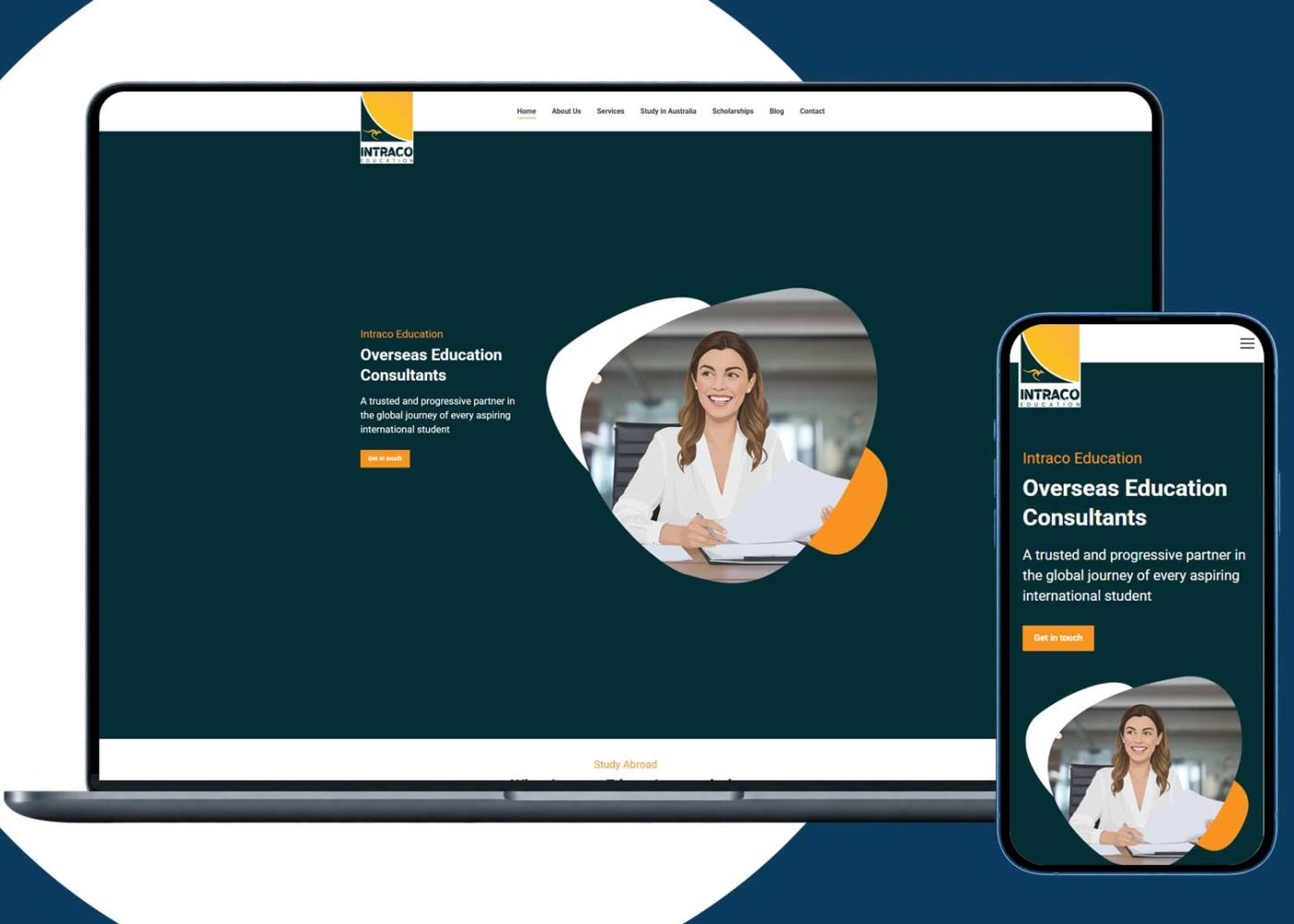
Make the Landing Page Match the Campaign
Continue the promise made in the advertisement.
A useful landing page explains:
- Who the offer is for.
- What the student will discuss or receive.
- Which team provides the service.
- What preparation is helpful.
- What happens after the form is submitted.
- How to request the next step.
A master’s planning advertisement should lead to a page that discusses that planning offer. Preserve the destination, service or event context when the enquiry reaches staff.
Use genuine counsellor information, clear service explanations and relevant evidence of your work. Keep the form usable on a phone and test its confirmation.
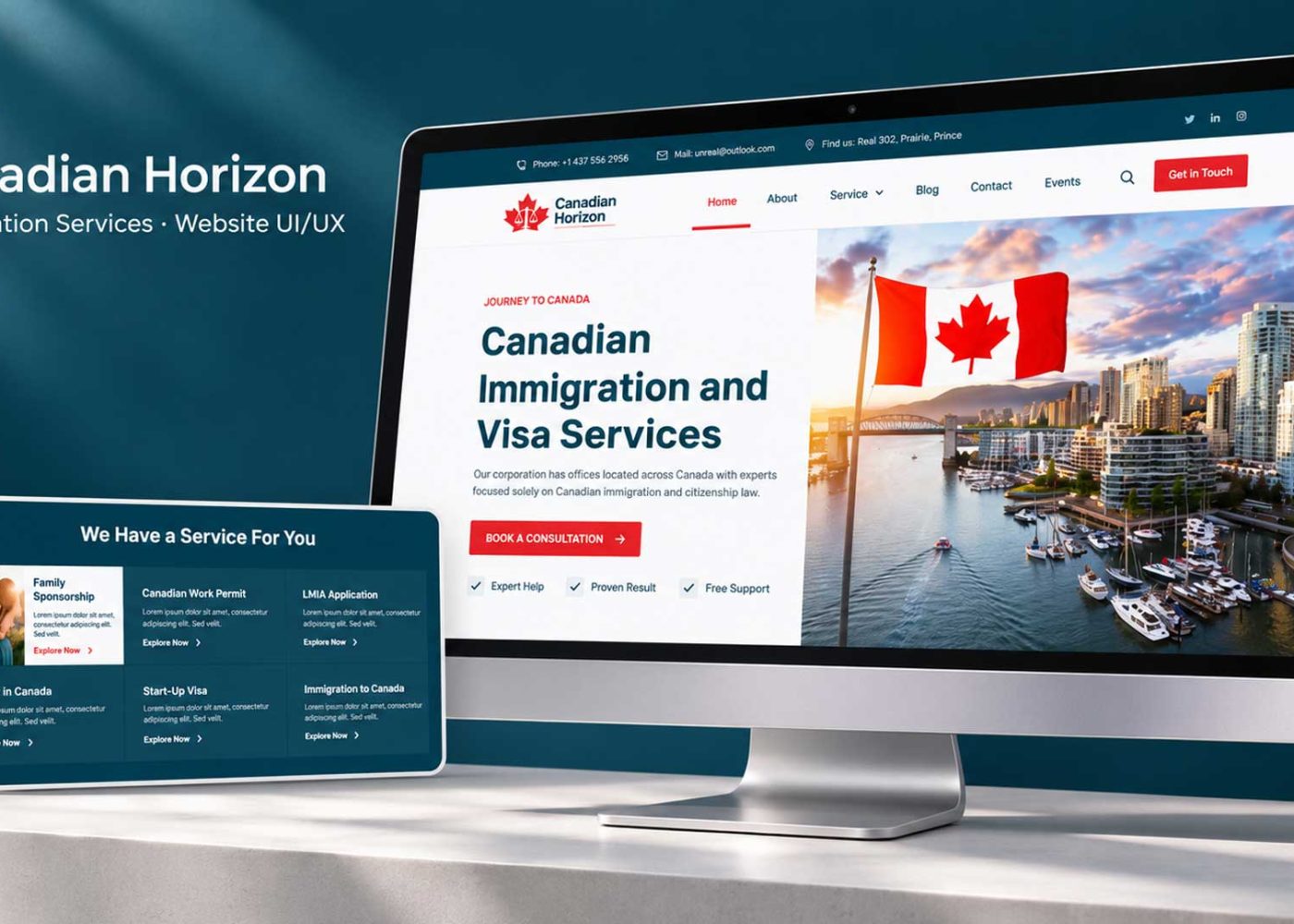
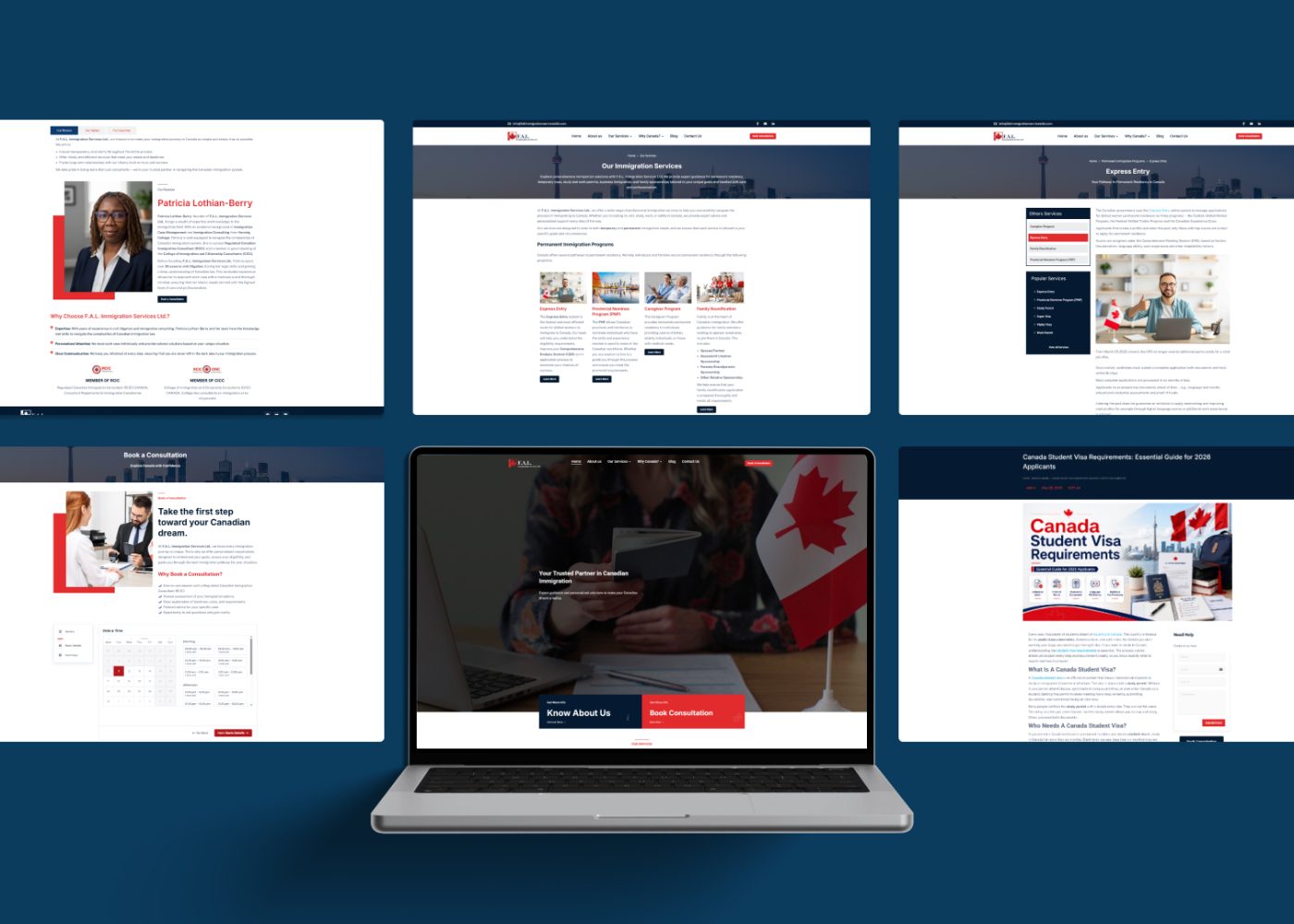
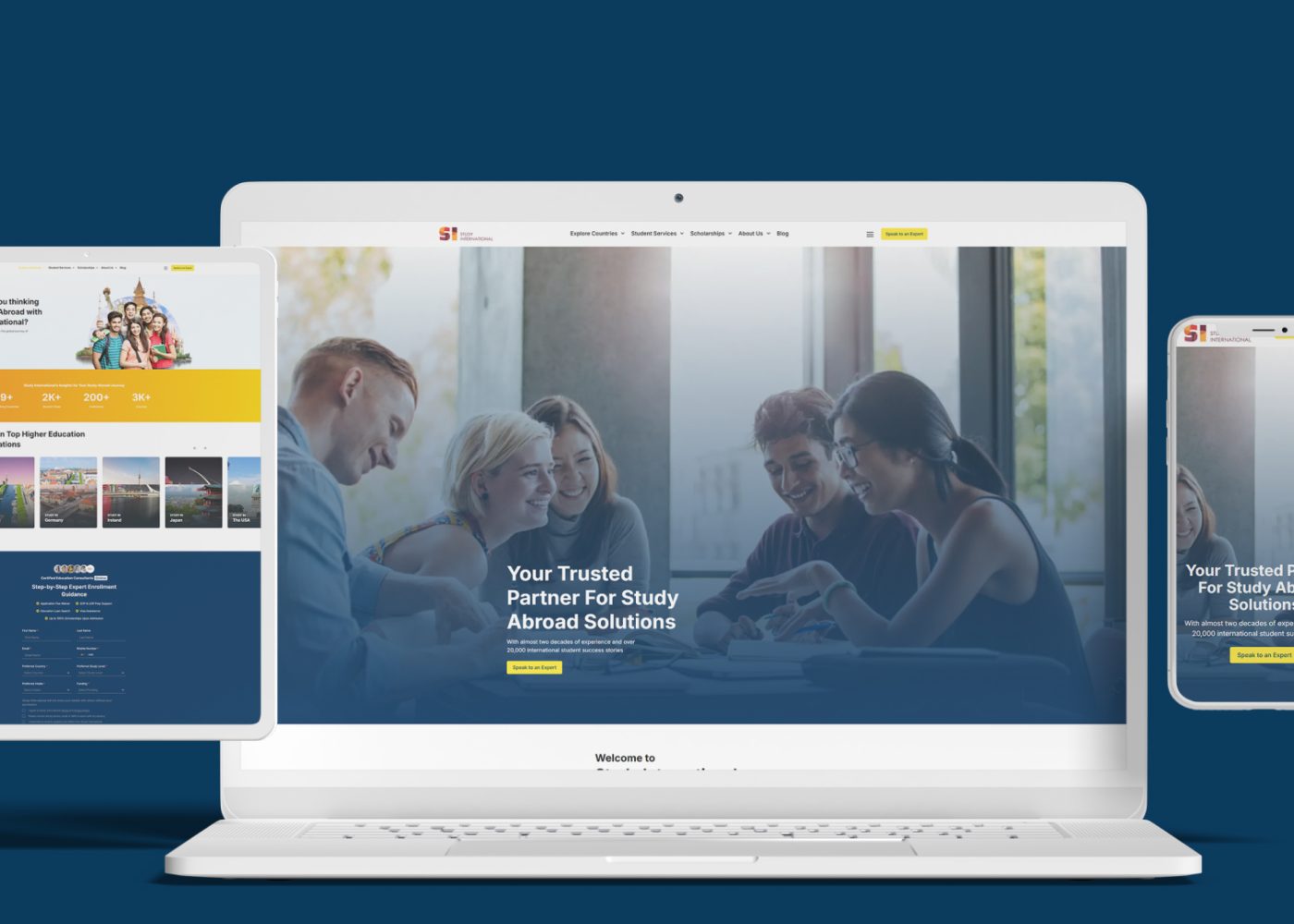
Our overseas education consultant website guide explains the wider page structure and enquiry journey.

Choose Between Instant Forms and Website Forms
Meta’s lead form guidance supports both instant forms that open from an advertisement and forms hosted on your website. Meta for Business
We recommend evaluating the route against the offer:
| Route | Useful reason to test it | What to inspect |
|---|---|---|
| Instant form | A concise offer and a convenient submission experience | Understanding of the offer, contact accuracy and later counselling outcomes |
| Website form | Students need more context or a booking experience before submitting | Page clarity, mobile usability, completion and later counselling outcomes |
Ask questions that help staff respond, such as study level, destination interest, intended preparation period and the student’s main question.
Include an undecided option where appropriate. Explain why contact information is requested and what happens next.
Compare form routes using contact, qualification and attendance records. Review available confirmation or verification options if accuracy is a recurring problem.






Run Search Campaigns Around Relevant Intent
Group the campaign around the services and destinations your team supports.
For example, a student searching for a counselling service has a different immediate need from someone researching a general definition. Review the searches that lead to enquiries and inspect whether the landing page answers those needs.
Google’s lead generation guidance recommends mapping the lead journey and choosing a conversion goal aligned with the business objective, including goals such as qualified leads or appointments. Google Ads Help
Our recommendation is to establish trustworthy stage data before changing campaign optimization. Check that the selected goal is measured accurately and is suitable for the account’s available volume and conversion delay.

Connect Each Enquiry to a Responsible Person
Campaign planning should include what happens after submission.
Retain the available campaign and page context, submitted interests and relevant contact details. Assign the enquiry to an appropriate counsellor or coordinator, with a fallback owner.
During the first meaningful exchange, staff should:
- Confirm what the student requested.
- Understand the main study goal and preparation stage.
- Identify what information remains unknown.
- Agree on a useful next step.
- Record the outcome and any follow-up arrangement.
Set a response standard the team can deliver during its working hours. Explain the expected response to the student and monitor missed assignments.
If a student does not answer, record that separately from a confirmed service mismatch. Adjust further contact to the agreed process and the person’s recorded preferences.
Record Why Enquiries Do or Do Not Progress
Give marketing useful feedback from the counselling team.
Recommended outcome categories include:
- Contact details require correction.
- Contact not yet established.
- Requested a service outside the agency’s scope.
- Interested but needs more preparation.
- Suitable for counselling.
- Appointment booked.
- Appointment attended.
- Chose to pause or stop.
Keep the reason and next action clear. Several unanswered enquiries can reflect contact timing or staff capacity as well as campaign quality.
Where a parent enquires for a student, record that relationship. Keep contact records and student counts understandable when the same family uses several channels.
Measure More Than Cost per Lead
Use consistent definitions and compare records with similar follow-up time.
| Measure | Calculation or definition |
|---|---|
| Cost per enquiry | Attributed campaign spend divided by the defined set of unique enquiries |
| Contact rate | Unique enquiries with meaningful contact divided by the comparable enquiry group |
| Qualification rate | Qualified enquiries divided by the comparable enquiry group |
| Cost per qualified enquiry | Attributed campaign spend divided by qualified enquiries |
| Counselling attendance | Attended appointments measured against the agreed booking and cancellation rules |
| Cost per attended counselling | Attributed campaign spend divided by attended counselling sessions |
| Later recruitment outcomes | Applications and verified enrolments linked to the original enquiry group |
A cohort is a group defined by a shared starting point, such as enquiries received during the same month. State the review date and how many cases remain open.
Keep button clicks, submitted enquiries, bookings and attendance as distinguishable events.
A Fictional Campaign Comparison
The following example uses advertising spend only and the same review period.
| Measure | Campaign A | Campaign B |
|---|---|---|
| Advertising spend | ৳20,000 | ৳20,000 |
| Unique enquiries | 100 | 50 |
| Qualified enquiries | 10 | 20 |
| Attended counselling | 5 | 10 |
| Cost per enquiry | ৳200 | ৳400 |
| Cost per qualified enquiry | ৳2,000 | ৳1,000 |
| Cost per attended counselling | ৳4,000 | ৳2,000 |
Campaign A produces a lower cost per enquiry. Campaign B produces more qualified enquiries and attended counselling for the same advertising spend in this example.
Before deciding what to expand in a real campaign, also inspect later recruitment outcomes, staff work, complete campaign costs and the comparability of the records.
Feed Confirmed Outcomes Back Into Campaign Measurement
When the underlying records are dependable, evaluate the supported ways to connect later counselling or recruitment outcomes with advertising measurement.
Google’s enhanced conversions for leads guidance describes supplementing imported offline conversions with first-party lead information to improve attribution. enhanced conversions for leads guidance
Meta’s guidance distinguishes retrieving leads into a CRM from sending later-stage outcomes back through its Conversions API. It states that selecting a conversion-leads goal does not automatically enable that integration. enhanced conversions for leads guidance
Define the events, information and responsible owners before implementation. Test that events represent the agreed outcome and arrive correctly, using the permissions and platform requirements applicable to the setup.
Plan a Manageable 30-Day Pilot
Use the first month to establish a working process and collect evidence. The schedule below is a recommended pilot structure.
| Period | Main work | Evidence to review |
|---|---|---|
| Days 1–5 | Define the student segment, offer, qualification rules and response ownership | Staff can explain the same offer and stage definitions |
| Days 6–10 | Prepare content, creative, landing page or form, routing and measurement | Test enquiries arrive correctly and can be followed up |
| Days 11–20 | Run a controlled campaign and review conversations | Contact outcomes, qualification reasons and attendance |
| Days 21–30 | Refine the main problem and assess the next step | Comparable costs, staff capacity and progress through the journey |
Record meaningful campaign changes so the team can interpret results.
If enquiries arrive but calls are missed, resolve assignment and response capacity. If students misunderstand the offer, revise the message and form context. If suitable students book but do not attend, inspect scheduling, expectations and reminders.
Expand spending when the records and team capacity support the decision.
How Should You Set the Budget?
Estimate the full work required:
- Campaign planning and management.
- Creative production and content.
- Advertising spend.
- Landing page or form preparation.
- CRM and measurement setup.
- Counsellor response capacity.
- Reporting and improvement work.
Use your own observed costs and conversion stages to plan scenarios. A universal cost-per-lead assumption cannot account for every destination, offer, location and stage of student readiness.
Agree on an affordable pilot budget, the evidence needed to continue and who makes the decision. Review both acquisition costs and the resulting recruitment work.
How M4YOURS IT Can Help
M4YOURS IT’s education consultancy services include landing pages, SEO, advertising, social content, CRM implementation, automation and analytics. M4YOURS IT
These capabilities support a connected process from the first campaign interaction to counselling follow-up and recruitment reporting.
Start with a review of your offer, current enquiry sources, staff response and recorded outcomes. Agree on one measurable pilot and use what the team learns to guide the next investment.
enhanced conversions for leads guidance to plan education consultancy lead generation around your destinations, student segments and counselling capacity.
Your next project
Let’s make your brand recognizable.
Have a business in mind? Tell us about your ideas, your audience, and the identity you want to create.
Prefer a direct conversation?
FAQ
It is the process of attracting student or parent interest and turning it into enquiries your team can respond to. A useful approach connects the offer, acquisition channel, form, counsellor response and later recruitment records.
Define qualification around service fit, understood interests and a relevant next step. Record unresolved preparation or eligibility questions separately. A qualified counselling enquiry still needs the appropriate individual assessment.
Evaluate the channel against the student’s next action. Search campaigns can address relevant existing searches, while Meta campaigns can introduce a clear offer and develop interest. Choose based on observed contact, qualification and counselling outcomes.
An instant form or other supported contact route can capture enquiries. Confirm that it provides enough context and delivers records to responsible staff. A maintained website also gives students and parents a place to assess your services.
Investigate the message, audience, offer, form questions and service scope. Review staff outcomes before deciding the cause. Keep contact failures, preparation needs and confirmed service mismatches distinguishable.
Set a standard your team can deliver during its stated working hours. Assign ownership and a fallback route, explain expectations to students and monitor actual response times. Review delays before increasing enquiry volume.
Useful content can answer planning questions and connect readers with the relevant service. Choose topics from counselling conversations, maintain changing information and include a suitable next step. Record the enquiries it helps generate.
Use an affordable pilot covering advertising, creative, forms, measurement and staff response. Define the evidence needed to continue. Use observed costs and recruitment progress to estimate later spending.
The review period depends on enquiry volume, follow-up completeness and the time needed for the chosen outcome. State the review date and open cases. A first-month pilot can establish the process while later recruitment outcomes continue developing.
Review cost per qualified enquiry and attended counselling alongside later applications and verified enrolments. Keep the definitions, attribution and review periods consistent. Use cost per enquiry as one part of that wider picture.