Share




















Keep client information out of unapproved AI tools by defining permitted uses, providing approved alternatives, and controlling how information leaves your firm’s systems. Approval should cover the specific tool, account, features, task, and data involved.
For an RCIC practice, the rule needs to apply before someone pastes a message, uploads a document, or enables an integration. Reviewing the AI-generated answer afterwards cannot undo the earlier transfer of information.
Start with a clear staff rule, a practical approval register, and a named person who handles questions and incidents. Then support the policy with training and technical controls.
Section 28 of the Code of Professional Conduct establishes confidentiality obligations for information acquired through professional relationships with clients and former clients. It identifies permitted grounds for disclosure and limits disclosure to what is necessary for its specific basis. laws-lois.justice.gc.ca
Translate those obligations into an operating rule staff can follow. For example:
Use only the accounts, features, and tasks listed in the firm’s approved AI register. Do not enter client information into an unapproved service, personal account, extension, or integration. If approval is unclear, stop and ask the designated lead. Report accidental transfers promptly.
This is a sample internal rule to adapt to your practice. Internal approval does not itself establish the legal authority for processing information.
Assign responsibility for professional, privacy, and technical review. In a small firm, the same person may coordinate several roles, with appropriate specialist support.
Client information extends beyond a passport number or an application form. Staff should recognize it across ordinary tasks.
| Information type | Examples to consider |
|---|---|
| Direct identifiers | Names, contact details, identity numbers, and file references. |
| Personal circumstances | Family relationships, employment, travel, health, and financial information. |
| Case material | Refusal letters, evidence, consultation notes, and application drafts. |
| Communications | Emails, WhatsApp threads, meeting recordings, and transcripts. |
| Hidden or surrounding details | File names, document properties, comments, screenshots, and signatures. |
| Access information | Credentials, access links, or tokens associated with a client service. |
Changing a name to “Client A” may leave enough surrounding detail to identify someone. Internal notes can also remain confidential even when they contain no obvious identifier.
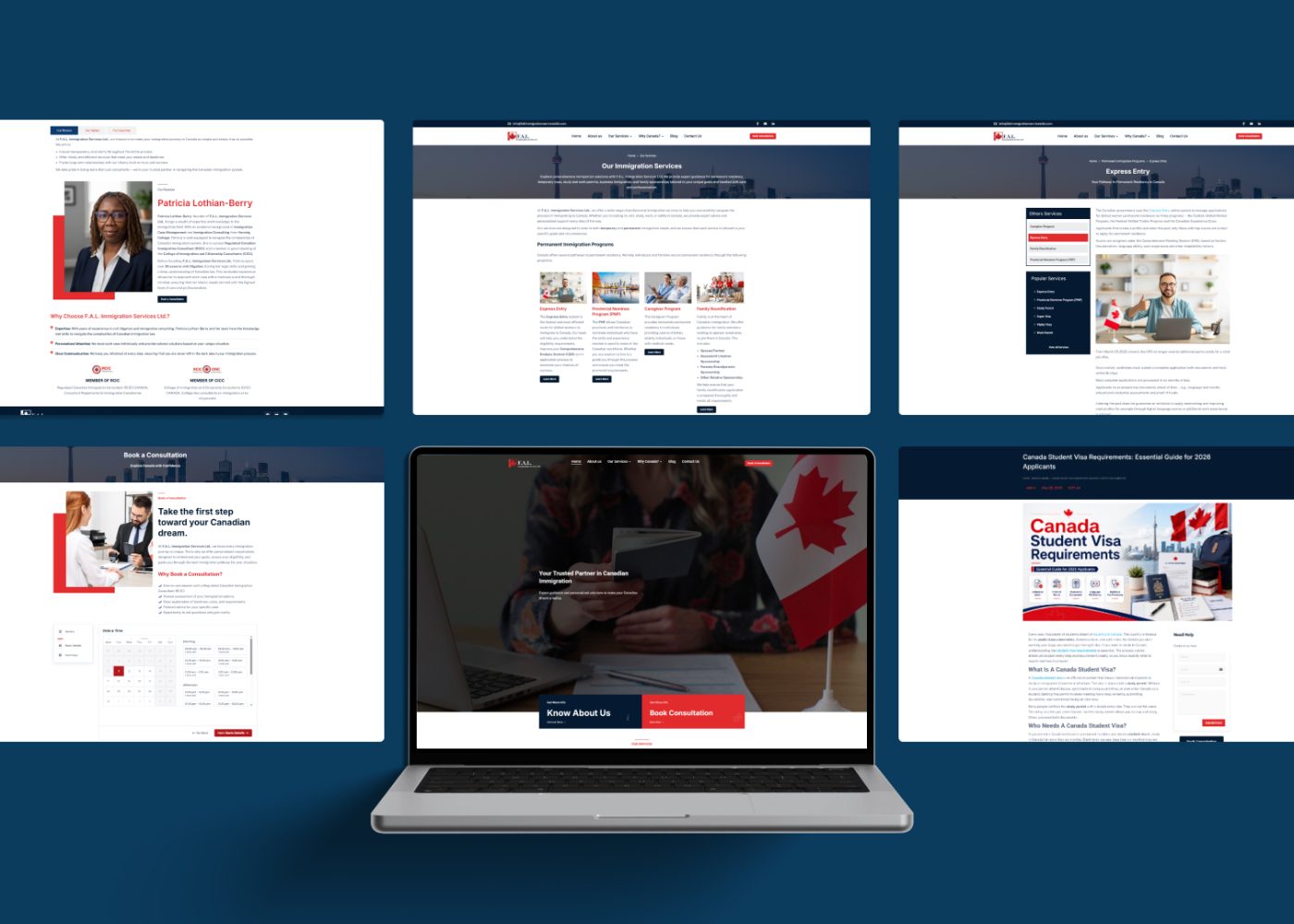
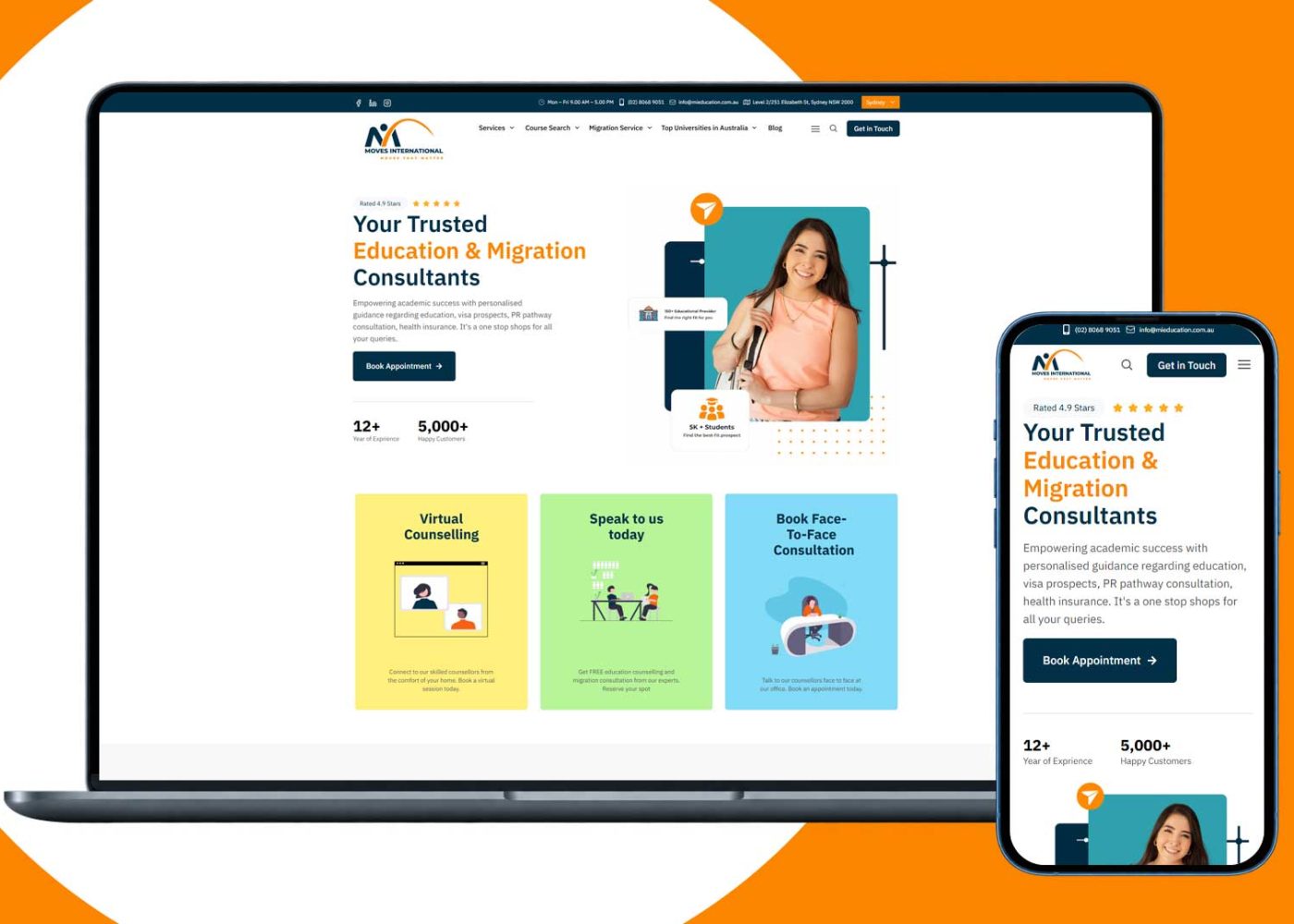
An immigration firm website should direct clients toward approved intake channels. Staff then need an equally clear process for handling what arrives.
Create a register that describes the approved configuration. Recording only a product name leaves too many unanswered questions.
| Approval record | What to document |
|---|---|
| Service and account | Provider, plan, firm workspace, and account owner. |
| Permitted task | The specific work the tool may support. |
| Permitted information | What may be entered and what must remain outside. |
| Enabled features | Uploads, connectors, transcription, search, and other relevant functions. |
| Processing arrangements | Storage, locations, retention, provider access, and secondary uses. |
| Access controls | Authorized users, authentication, roles, and administrator responsibility. |
| Review and authority | Reviewer, decision, applicable permissions, and conditions. |
| Change triggers | New features, contract changes, expanded access, and review dates. |
Canada’s privacy regulators’ generative AI principles address authority for processing personal information, necessary use, transparency, accuracy, and safeguards. Use those considerations when assessing the actual workflow and applicable obligations. priv.gc.ca
A paid subscription or a setting that disables model training does not complete that assessment. Review the relevant contract, configuration, and data flow.
Approval for drafting public marketing content should not automatically extend to client files. Likewise, approval for one workspace should not be assumed to cover a personal account.
People need a workable alternative when a task cannot use client information in AI.
For routine correspondence, create a generic template with placeholders. Add the real details later inside the firm’s approved communication system.
A suitable drafting request might be:
Draft a neutral consultation-reminder template using [CLIENT_NAME], [APPOINTMENT_DATE], [TIME_ZONE], and [BOOKING_LINK] as placeholders. Include no real personal details and make no statements about immigration eligibility or outcomes.
For digital marketing, use approved public business information and fictional examples rather than client correspondence.
Make the decision simple:
| Material | Recommended handling |
|---|---|
| Approved public firm information | Use only in a setup approved for that task. |
| Wholly fictional training examples | Check that they contain no details copied from a real file. |
| Client-specific information | Require approval for the particular processing workflow. |
| Material whose status is unclear | Keep it out until reviewed. |
Do not upload a client document to an unapproved AI service to ask it to remove identifying information. Any necessary preparation must happen before transfer, within an approved process.
Check attachments as well as visible text. A document may contain information in comments, properties, or other content that the person preparing it overlooked.
The Canadian Centre for Cyber Security’s guidance on large language model text generators describes how using external tools can expose organizational information outside approved governance arrangements. Assess where information actually travels, rather than relying on a tool’s familiar appearance. Canadian Centre for Cyber Security
Review browser assistants, document tools, meeting recorders, email features, CRM add-ons, and automation services. Include features embedded in software your firm already uses.
Practical controls include:
These controls need testing across the devices and accounts used for work. A website block alone does not establish that information cannot leave through another route.
Test with synthetic identifiers and sample documents. Never use a real client file to prove that an upload block works. Check what happens when a control fails or a user switches accounts.
An integration should not give staff access to client records they could not otherwise view. Apply access limits to retrieved information and generated summaries, and exclude a workflow from approval if the required boundaries cannot be enforced.
Review your CRM and automation connections for background transfers. A workflow might copy an entire enquiry thread when only an administrative status is needed.
Your website design and form integrations should also send information only to the destinations included in the approved process.
Give staff a short request process so useful ideas can be assessed before data is shared.
Ask for the proposed task, tool and account, required information, enabled features, intended benefit, and responsible owner.
The reviewer can then approve a limited use, request changes, require further assessment, or decline the proposal. Record the decision and communicate the permitted scope.
Set a clear boundary while the request is pending. Staff should use an approved alternative rather than treating a trial account, urgent deadline, or colleague’s recommendation as authorization.
Test a proposed workflow with synthetic data before introducing client material. Include error messages, logs, exports, and support access in the assessment.
Revisit approval when the provider’s terms, configuration, or available features change. An existing subscription should not silently become permission for a new data-processing activity.
An accidental transfer needs a clear reporting route. Staff should know whom to contact without investigating the whole incident themselves.
A practical response sequence is:
Preserve necessary evidence in the approved incident record. Avoid creating further copies by circulating the exposed material widely.
Deleting a visible chat does not establish that every retained copy has been removed. Record confirmed actions and unresolved questions accurately.
Address the workflow that allowed the transfer, including unclear instructions, excessive access, or missing approved alternatives.
Use fictional scenarios in staff training. Ask what information is involved, whether the proposed setup is approved, and which alternative is available.
Useful exercises include:
Check whether staff can find the register and identify the reporting lead. Include contractors and new starters who handle relevant information. Confirm that outsourced providers understand which AI uses are permitted within their assigned work; their own subscription should not become an assumed extension of your approval.
Track unresolved tool requests, control-test results, approval changes, and corrective actions. Keep the records useful without collecting unnecessary client content.
Your next project
Have a business in mind? Tell us about your ideas, your audience, and the identity you want to create.
Prefer a direct conversation?
Consider identifiers, case details, communications, documents, personal circumstances, and surrounding metadata. Information relating to a client matter may require protection even without a visible name.
No. Approval should cover the actual account, features, task, information, contractual arrangements, and controls. Price alone does not establish suitability.
No. Also assess access, storage, retention, integrations, secondary uses, and the authority for processing. A training setting addresses only part of the review.
Do not assume that is sufficient. Other details may identify the person or remain confidential. Use the firm’s approved preparation and assessment process.
Uploading the file already transfers it to that tool. Prepare any permitted material beforehand in an approved environment and assess whether the remaining information can be shared.
No. Public availability does not automatically settle whether collection, use, or disclosure is appropriate. Assess the purpose and applicable obligations before using it.
No. Authorization for a disclosure and the firm’s assessment of the tool are separate considerations. Review the proposed use, safeguards, and other applicable requirements.
Yes. Treat recordings, transcripts, translation uploads, and document summaries as information-processing activities. Assess the account, permissions, data, and workflow before use.
Stop further sharing and contact the designated lead promptly. Record essential facts through the approved process and follow coordinated containment and assessment instructions.
List current AI uses, assign an approval owner, publish permitted workflows, and provide generic templates. Train staff and test the most common routes information could take.
Begin with a clear rule, a maintained approval register, and practical alternatives for common tasks. Add controls and training around the actual systems your team uses.
Review changes before expanding access, and make incident reporting straightforward. Keeping client information within approved workflows depends on both usable processes and tested controls.
M4YOURS IT can help plan your intake forms, CRM connections, and AI data flows around defined access and review processes. Contact our team to discuss your RCIC firm’s workflow.
Adding {{itemName}} to cart
Added {{itemName}} to cart