

























This website uses cookies to improve your web experience.


Build an immigration brand clients recognize and trust by combining clear positioning, a consistent visual identity, verifiable professional information, and dependable client communication. Every place people encounter your firm should help them understand who you serve, who is responsible, and what happens next.
A prospective client might discover your firm through a referral, visit your website, watch a short video, and then book a consultation. Those experiences should feel connected. The name, message, design, and service expectations should all point to the same practice.
For an RCIC firm, effective immigration branding needs to reflect the responsibilities of marketing regulated services. Professional presentation creates an introduction. Clear information and consistent service give people reasons to feel confident about taking the next step.
Here is a practical approach to building that connection.

Start with a specific description of the people you want to serve and the help your practice is equipped to provide.
“Professional immigration services” gives potential clients very little to remember. A clearer position explains the audience, relevant services, and experience they can expect.
Write down four decisions:
An illustrative positioning statement might be:
We help families preparing sponsorship applications understand the process through clear explanations, structured preparation, and a named point of contact.
Use a statement like this only when it accurately reflects your services and delivery.
Review recent enquiries to identify recurring questions and misunderstandings. Those patterns can reveal where your positioning needs more clarity.
A documented brand strategy and positioning framework gives your website, content, and design a shared direction.
Turn your positioning into a practical promise about how clients will experience your firm.
For example:
Before you book, we explain the consultation fee, what to prepare, and what the meeting covers.
Your team can build a repeatable process around that promise. It gives the website writer, receptionist, consultant, and operations team something concrete to deliver.
Choose a few service standards that matter to your audience: understandable explanations, transparent scope, preparation instructions, or reliable follow-up. Assign an owner to each one.
Check the promise against your actual capacity. If you publish a response timeframe, decide who monitors enquiries, how weekends are handled, and what happens when the responsible person is away.
A believable brand promise should describe an experience your team can sustain.
Clients should be able to identify the professional behind the business.
For an RCIC practice, publish accurate consultant names, roles, licence details, and contact information. Link to the College’s Public Register, where people can check a consultant’s licence status and related information. register.college-ic.ca
Build advertising templates around the Code of Professional Conduct. Section 44 requires the licensee’s registered name prominently at or near the beginning of advertisements, in the advertisement’s language, and the public register’s internet address in written advertisements. It also prohibits misleading representations, success guarantees, and implications of a relationship with federal or provincial government. laws-lois.justice.gc.ca
Make the relationship between your firm and its professionals clear. If the founder appears in most videos, explain their role and introduce other consultants accurately as the team grows.
Our guide to building a personal brand as an independent RCIC explores how an individual professional’s visibility can support the wider practice.

Create a visual system your team can use repeatedly.
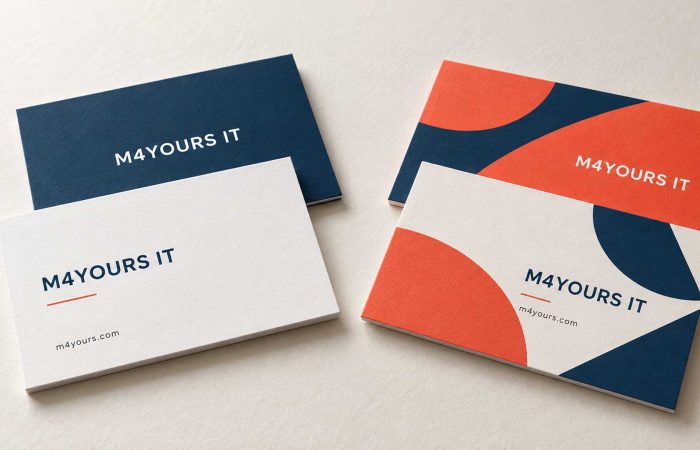
Your logo needs to work on a mobile screen, an email signature, a business card, and a document header. Your colors and typography should remain recognizable across those settings.
A practical identity system includes:
| Element | What to define |
|---|---|
| Logo | Primary, compact, and single-color versions |
| Colors | Main palette, supporting colors, and readable combinations |
| Typography | Heading and body styles with clear size guidance |
| Photography | A consistent approach to people, offices, and illustrative imagery |
| Layout | Repeatable spacing, headings, and calls to action |
| Templates | Social posts, presentations, letters, and email signatures |
Choose an identity that fits your firm’s positioning and audience. A limited palette and clear typography are easier to maintain when several people create materials.
Test the system with real content before approving it. A design that looks attractive on a presentation slide must also accommodate long names, multilingual copy, and required advertising information.
M4YOURS IT’s branding services bring strategy, identity design, and guidelines into one practical system.

Your website should make the firm understandable and the next step clear.
A visitor should be able to find:
Use real team photography where appropriate. Keep professional biographies specific and accurate. Explain service scope in language a prospective client can understand.
Then follow an enquiry through the whole process. Check the mobile booking form, confirmation message, appointment instructions, and staff follow-up.
If your website promises careful guidance, the confirmation email should explain how to prepare. If your brand emphasizes clear communication, someone should own unanswered enquiries and handovers.
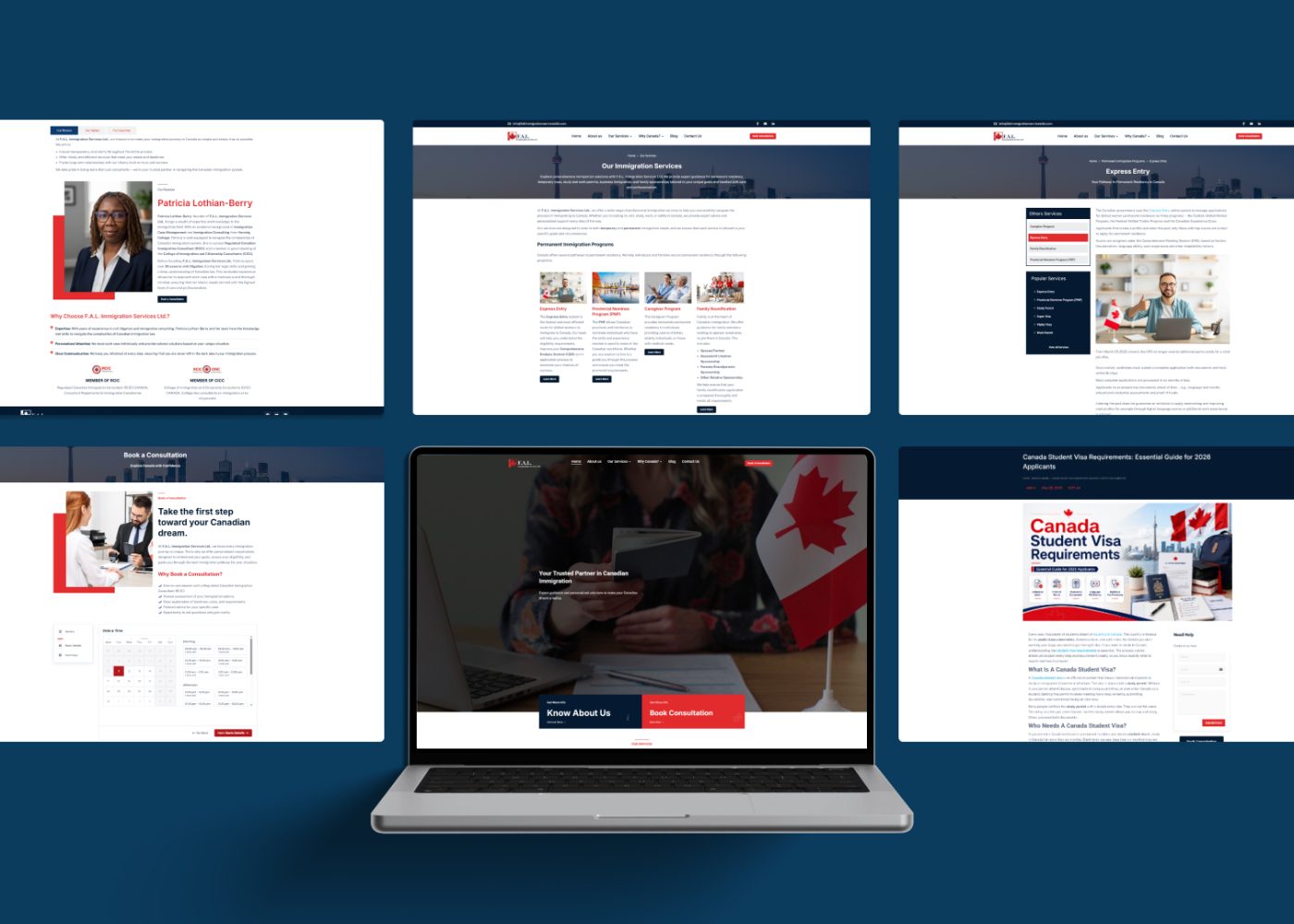
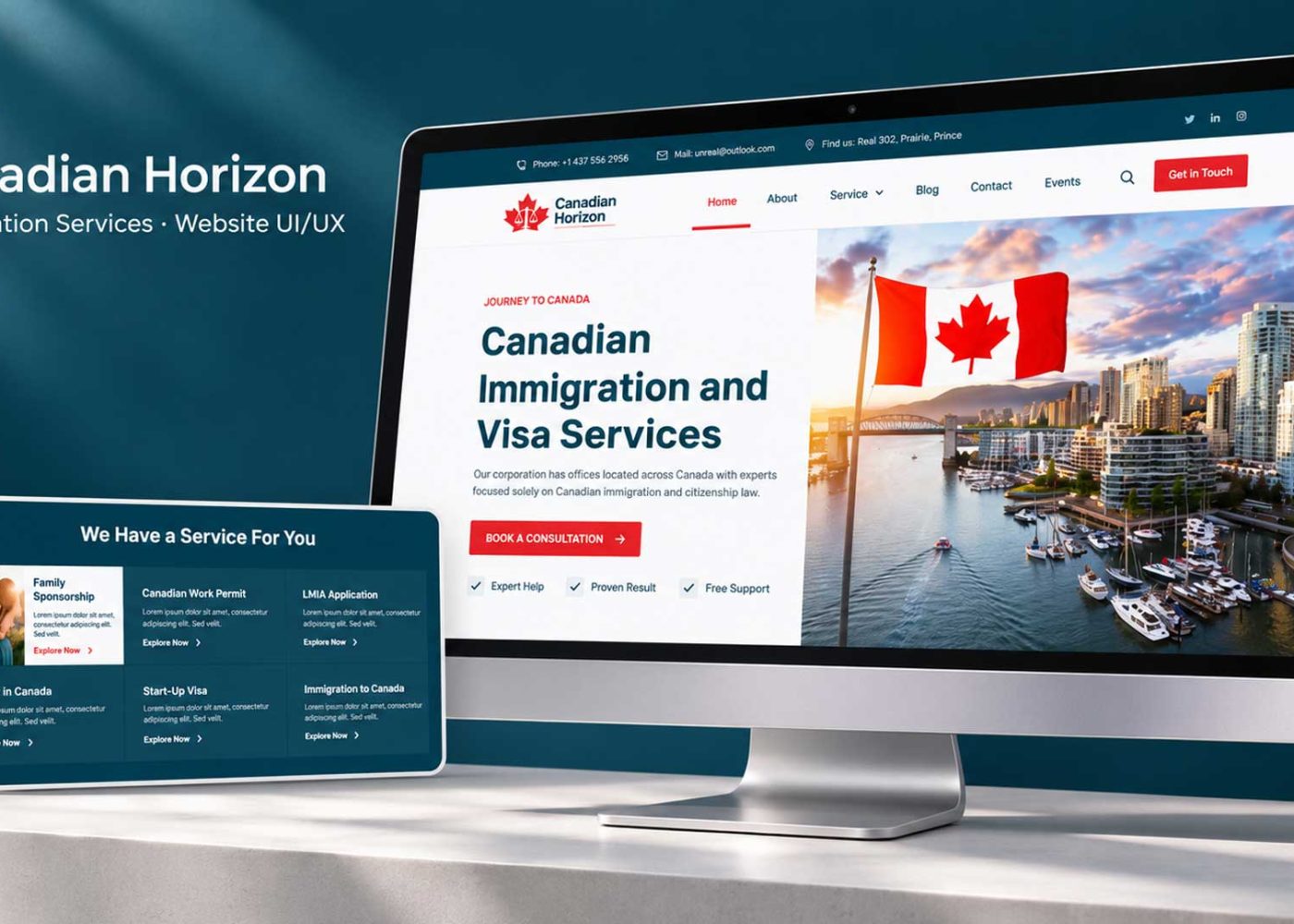
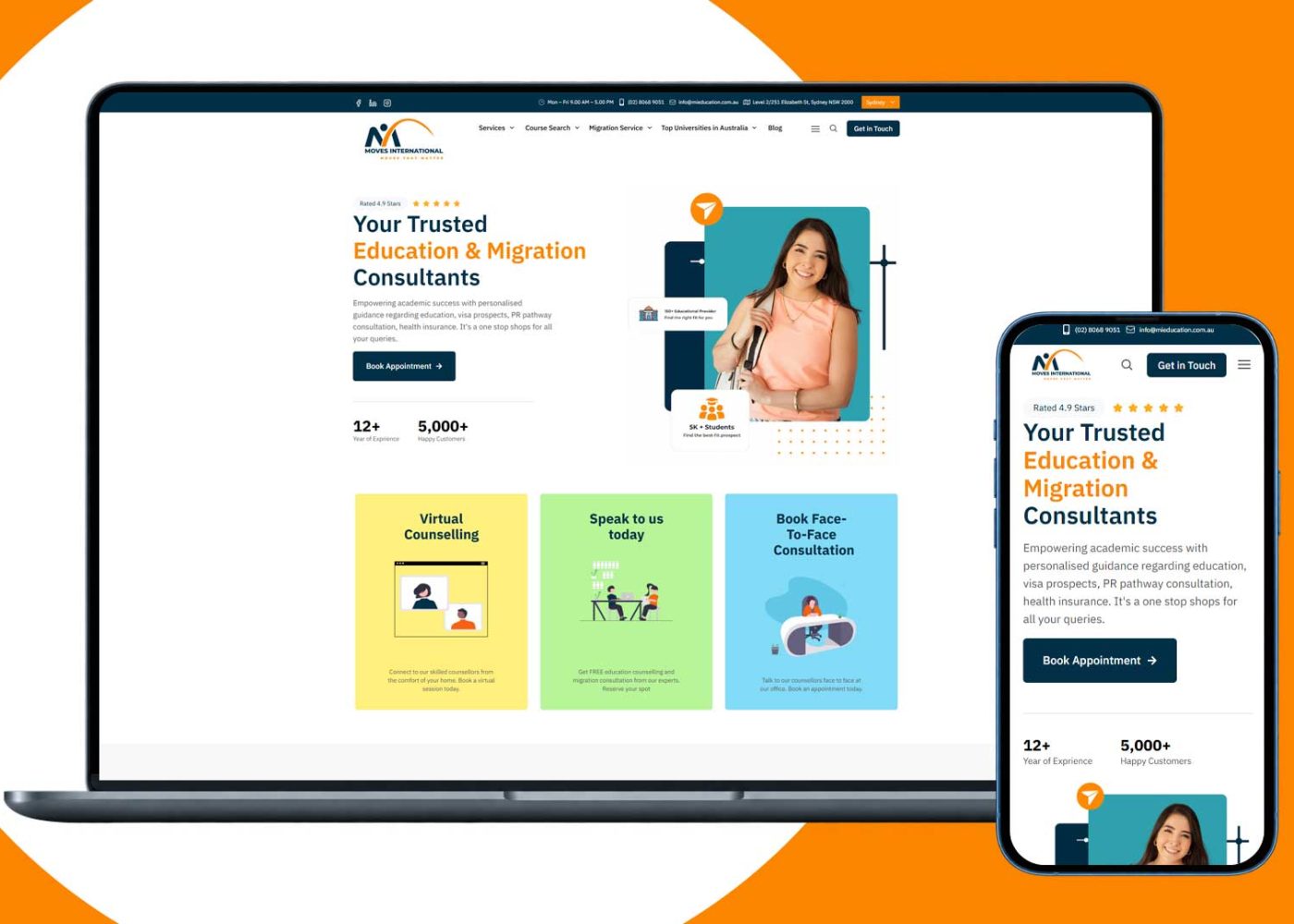
A focused website design project should connect the public presentation with these practical client tasks.
Look for small inconsistencies: an old logo on an invoice, a different trading name in a confirmation, or an outdated telephone number. Fixing them helps the experience feel coherent.
Build a review routine around genuine client experience.
Under section 45 of the Code, an endorsement used in marketing must come from an actual client or former client, be true and accurate, and have been reviewed and approved for public use by that person in writing. laws-lois.justice.gc.ca
Before republishing a client review on your website, make written approval part of your workflow. Record the approved wording, identification, and intended use.
For Google reviews, follow Google’s contribution policy. Request honest feedback without incentives or pressure. Google prohibits fake engagement, incentivized reviews, discouraging negative reviews, and selectively requesting positive reviews. Maps User Generated Content Policy Help
Use a consistent invitation process based on a suitable service milestone. Let clients choose whether to respond and what to say.
Client stories can describe how your team explained a process, organized communication, or helped someone prepare. Obtain appropriate permission and review details before publication.
Keep responses to public feedback professional. Move discussion of personal circumstances to a private channel and give the team a clear process for handling concerns.
Your writing should sound like the same practice across service pages, social posts, emails, and consultation materials.
Choose a few voice principles, such as clear, calm, respectful, and specific. Show the team what those principles mean through examples.
“Book a consultation to discuss your circumstances and the scope of support available” tells a reader what the next step involves. Broad claims about changing someone’s future give them less practical information.
Build content around questions clients actually raise:
Combine useful explanations with accurate team introductions and service-process content.
For multilingual communication, preserve the meaning and service expectations across languages. Have qualified reviewers check professional content, and assign responsibility for updating information when relevant requirements change.
Templates from a coordinated creative design system can help your team publish consistently without redesigning every post.
Put the decisions into a short, usable brand guide.
Include your positioning statement, approved business description, voice examples, logo files, typography, color values, image guidance, and frequently used templates.
Add the professional information required in marketing materials and identify who reviews changes to service claims.
Give each asset a clear owner. A team member should know where to find the current email signature, who can update a consultant biography, and which version of a brochure is approved.
Keep current materials together and move retired versions into an archive. This reduces accidental reuse of outdated information.
Apply the guide when onboarding staff, freelancers, and external partners. Review a small sample of published materials regularly to catch inconsistencies early.
A brand becomes easier to maintain when people can follow a few clear decisions in their everyday work.
Use practical feedback and business signals to assess progress.
Ask a few people from your intended audience to review the website and describe who the firm serves, what it offers, and how they would take the next step. Treat this as qualitative feedback rather than a statistically reliable study.
Then monitor indicators that connect branding with the client experience:
| Signal | What it can help you understand |
|---|---|
| Enquiry source feedback | Where people remember encountering your firm |
| Understanding of services | Whether enquiries match your stated focus |
| Consultation preparation | Whether instructions are clear and useful |
| Response and handover consistency | Whether the experience matches your promise |
| Recurring feedback themes | Which strengths or frustrations clients mention |
Branded searches and direct website visits can provide additional context. They do not prove trust on their own, and attribution can be incomplete.
Review the findings together. If enquiries repeatedly misunderstand your services, refine the message. If feedback highlights slow responses, improve the communication process.
Choose improvements based on the problem the evidence reveals.
Use this suggested schedule to organize the work. Adjust it to your team’s capacity and the scope of the changes.
| Period | Priority | Practical output |
|---|---|---|
| Days 1–7 | Audit and positioning | Audience focus, service priorities, brand promise, and a list of inconsistencies |
| Days 8–14 | Identity and messaging | Approved business description, visual rules, and essential templates |
| Days 15–21 | Client experience | Updated priority pages, profiles, booking messages, and communication ownership |
| Days 22–30 | Rollout and review | Updated materials, team guidance, reader feedback, and baseline measurements |
Start with the materials prospective clients use most: your homepage, priority service pages, consultant profiles, contact process, and booking confirmations.
If the existing identity already works, keep useful assets and improve their application. A complete redesign is appropriate when the current identity creates a meaningful problem that smaller changes cannot resolve.
Your next project
Have a business in mind? Tell us about your ideas, your audience, and the identity you want to create.
Prefer a direct conversation?
Start with positioning, accurate professional information, and a consistent enquiry experience. Then create the essential identity assets and templates. Prioritize the website, consultant profile, and booking communication before expanding into a large collection of marketing materials.
Choose based on how clients find you and how the practice will operate. A solo consultant can build visibility around their expertise while using a consistent firm identity. As the team grows, clarify each professional’s role and make the wider service process recognizable.
Make your professional identity verifiable, explain services clearly, introduce the people involved, and show what clients can expect. Publish useful content and maintain dependable communication. Invite genuine feedback as suitable service milestones occur.
Assess the existing logo alongside your message, website, and client materials. If people recognize it and it works across your channels, improved guidelines and templates may be enough. Replace it when there is a clear strategic or practical reason.
The timeline depends on your starting point, audience exposure, and service delivery. You can organize essential assets within a defined project, while recognition and reputation develop through repeated experiences. Track progress against your own baseline and client feedback.
A recognizable immigration brand gives people a clear picture of your firm. A trusted brand supports that picture with verifiable information, realistic expectations, and consistent service.
M4YOURS IT helps immigration practices connect positioning, visual identity, websites, and client communication. Explore our services for immigration firms or contact M4YOURS IT to discuss the parts of your brand that need attention first
Adding {{itemName}} to cart
Added {{itemName}} to cart