























This website uses cookies to improve your web experience.


Your immigration firm’s logo should make the business recognizable, your website should explain who you help and how to begin, and your messaging should set clear expectations about the service. Together, they should present a professional practice that people can understand, verify, and contact confidently.
Each asset contributes something different. A memorable logo gives people a visual reference. A useful website answers practical questions. Clear messaging explains what your team does and what a prospective client can expect.
When these parts communicate the same position, someone moving from a social post to a service page and then a consultation should encounter a coherent firm.
For RCIC practices marketing Canadian immigration services, that communication also needs to reflect professional advertising responsibilities.
| Brand asset | Main communication job | What to assess |
|---|---|---|
| Logo | Identify the firm consistently | Name clarity, distinctiveness, and usability |
| Website | Explain the practice and support the next step | Services, people, process, and booking information |
| Messaging | Describe the value and scope of the service | Specificity, evidence, tone, and realistic expectations |
Strong immigration firm branding starts with a shared message. Before changing a logo or homepage, write down the core message all three assets should support.
Define:
An illustrative message for a practice focused on family sponsorship might be:
Clear guidance for families preparing sponsorship applications, with structured consultations and an explained service process.
This example needs to match the firm’s expertise and operations before being used.
Choose language your team can support with evidence. If you describe your service as accessible, explain the available appointment formats and languages. If you emphasize clear communication, document how enquiries and updates are handled.
A brand strategy and messaging framework gives designers, writers, and staff a common brief.

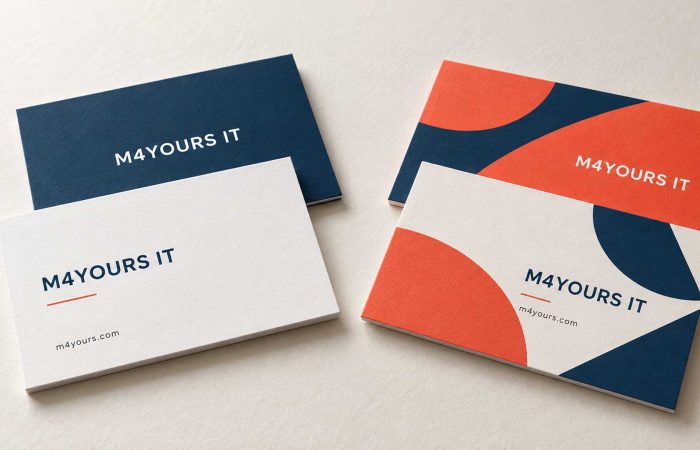
Your logo should help someone identify the firm across different settings: a website header, a social profile, a business card, or a letter.
Start with a legible business name and a distinctive visual approach. Choose typography, spacing, and colors that fit the practice’s positioning and work with the information you regularly publish.
There is no need to attach a universal personality claim to a color. Assess the whole design in context, including how your audience reads it and how clearly it reproduces.
Review the proposed identity:
Check that details remain clear and that the name stays readable. Prepare appropriate versions for different uses and document how they should be applied.
Your visual identity should also make your firm’s independent professional identity clear. The Code prohibits marketing that implies a government relationship, and section 46 permits use of the College’s name, logo, or identifying marks only as allowed by the College. laws-lois.justice.gc.ca
M4YOURS IT’s branding and identity design services connect these practical requirements with a consistent visual system.

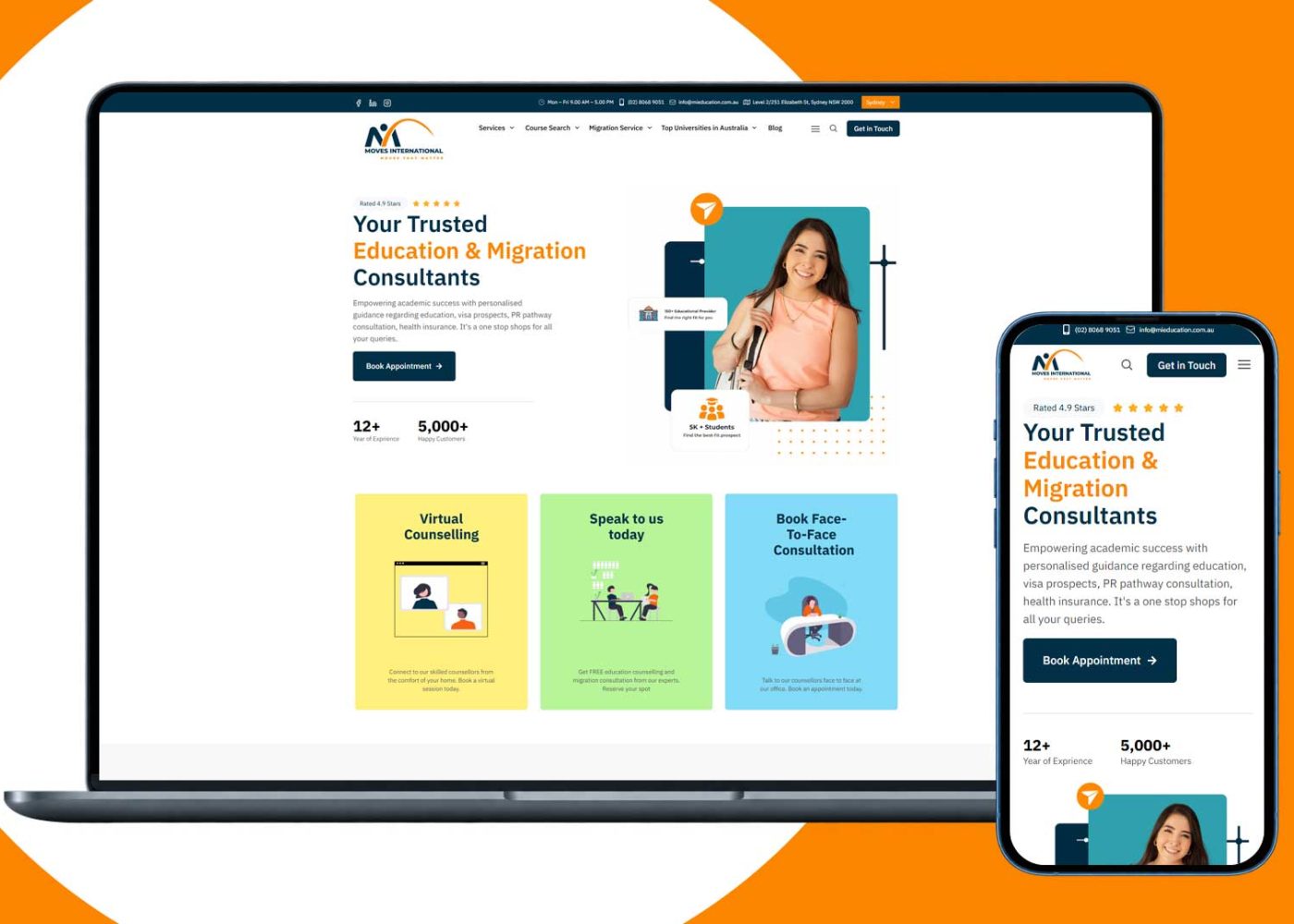
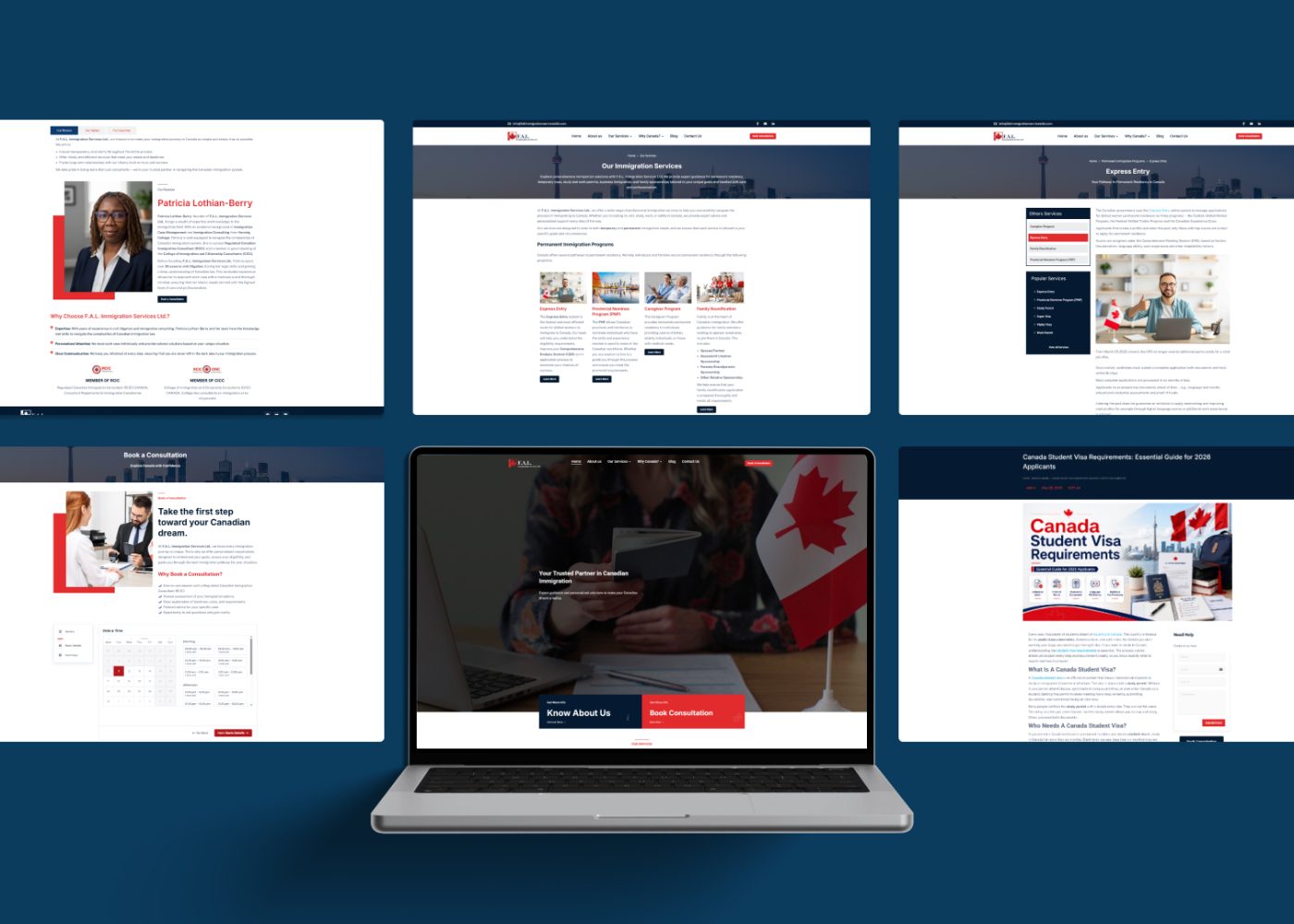
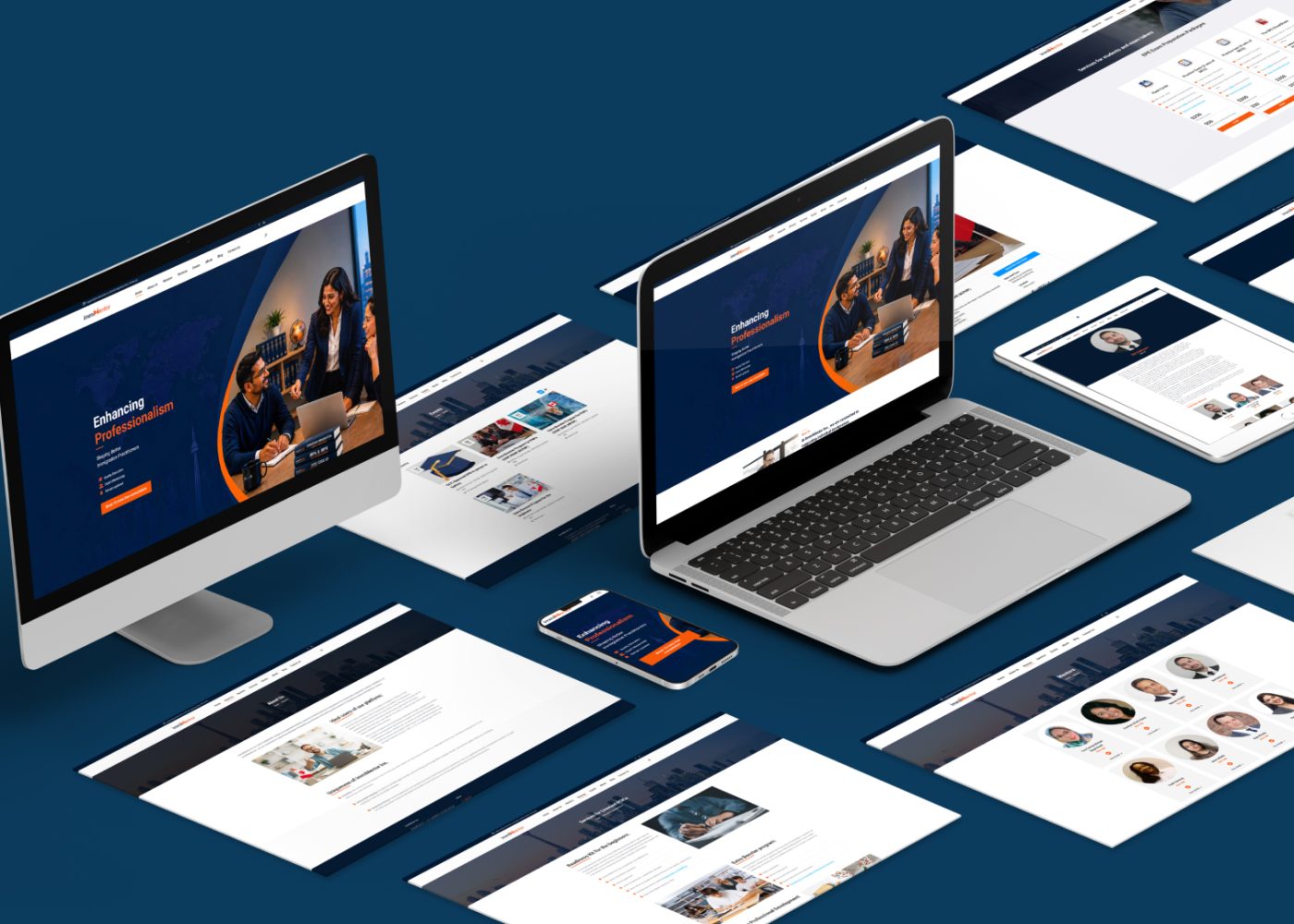
Your website should help prospective clients understand whether your firm’s services are relevant and what an initial interaction involves.
Organize it around the decisions they need to make.
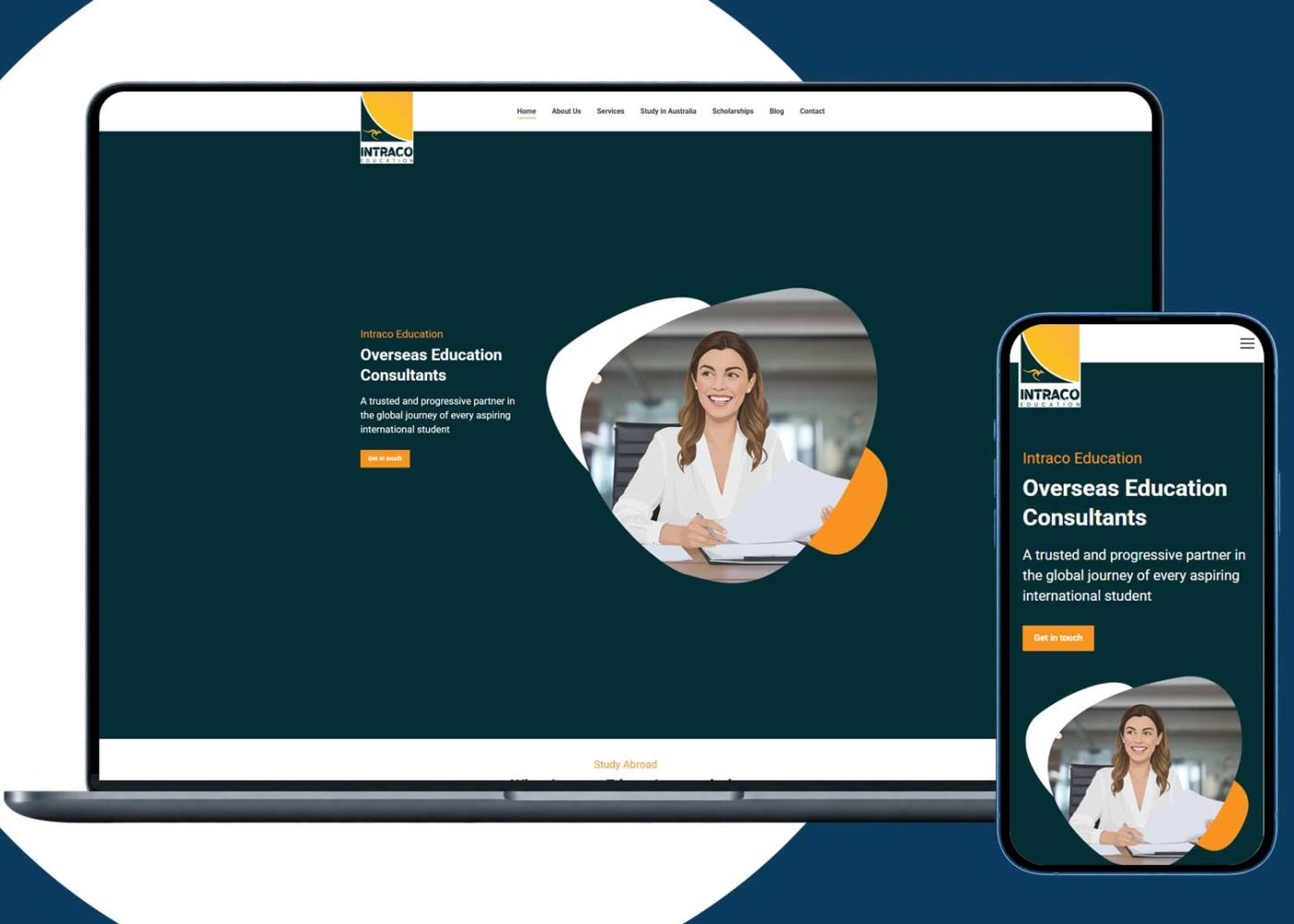
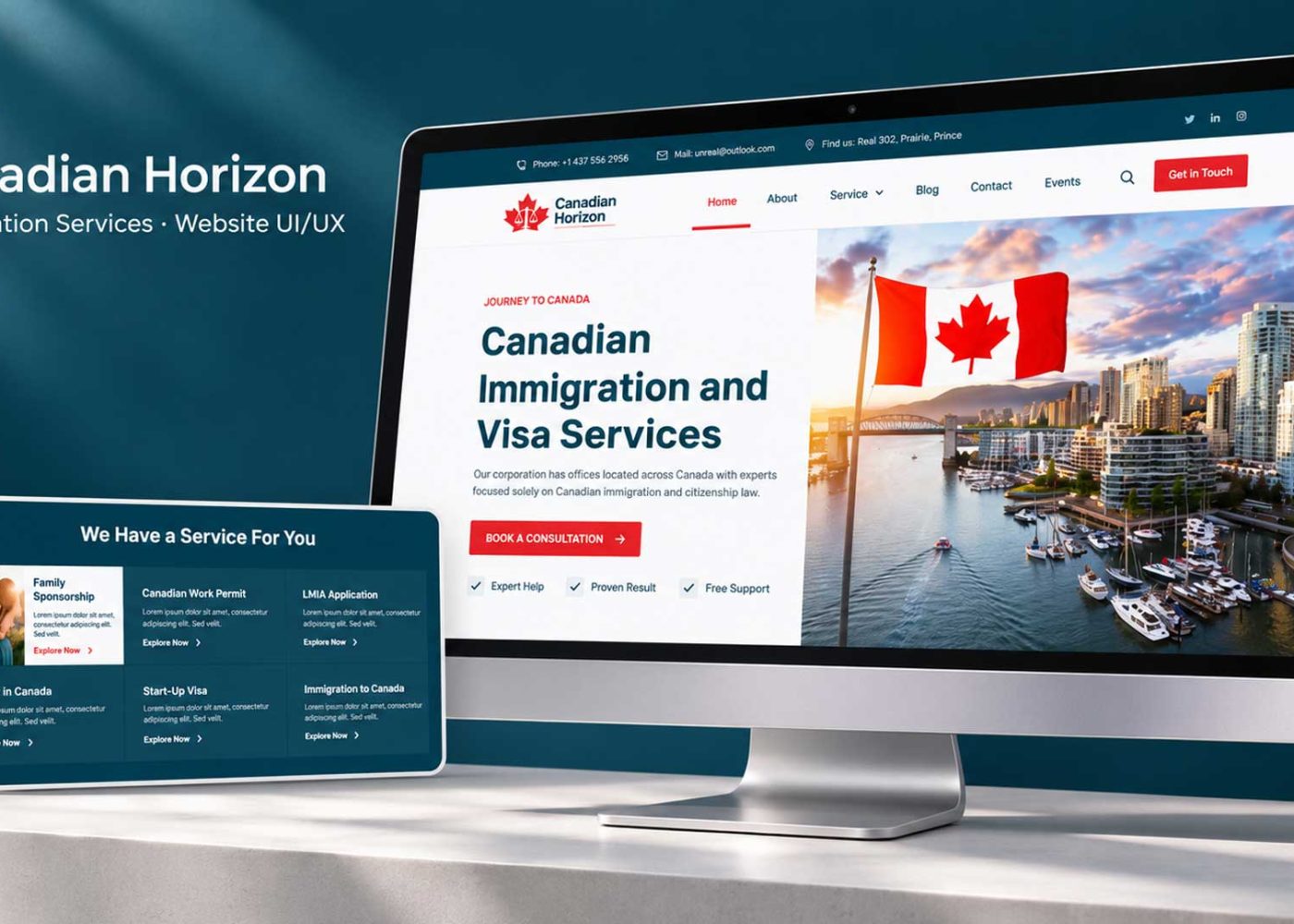
Use a clear homepage heading and short supporting paragraph to identify the practice and its main areas of work.
For example, a suitable heading might be:
Canadian immigration consulting for families and working professionals.
The supporting text should then describe the services actually available. Use a headline like this only if those audiences and services match your practice.
Give priority services their own pages. Explain who each service is intended for, the support your firm offers, and how someone can discuss their circumstances.
Introduce consultants with accurate names, roles, and professional information.
For an RCIC practice, link to the College’s Public Register. It allows people to check licence status, entitlement to practise, contact information, and other listed details. register.college-ic.ca
Use accurate team photographs and descriptions. Explain who conducts consultations and how other staff support the process.
A consultation page should make these details easy to find:
If further work requires a separate agreement or quotation, explain that clearly.
For an initial enquiry, request the information needed to understand and route the request. Explain the approved process for providing detailed documents later.
Test the complete experience on a phone. A visitor should be able to locate the right service, understand the consultation, complete the form, and recognize the confirmation as coming from the same practice.
A useful immigration firm website design project should connect the page structure, content, and booking experience.

Specific messaging gives people something they can understand and evaluate.
A phrase such as “personalized service” becomes more useful when you explain what personalization means in your process. Describe the work, the interaction, and the next step.
Consider these illustrative rewrites:
| Broad wording | More useful wording |
|---|---|
| Personalized immigration solutions | We discuss your circumstances and explain the scope of support available. |
| A seamless client experience | Before your appointment, we explain what to prepare and how the consultation will work. |
| Start your journey today | Book an initial immigration consultation. |
Each example should be adapted to the actual service and stage of the client relationship.
Describe professional actions your practice can carry out: discussing circumstances, reviewing information within an agreed scope, explaining requirements, or preparing the work included in a service agreement.
Clarify what is included and what needs a separate discussion.
Keep important qualifications close to the relevant claim. Readers should be able to understand the offer from the main page content.
Write in language your intended clients can follow. Explain unfamiliar terms and acronyms when they first appear.
W3C’s guidance on writing for web accessibility recommends descriptive headings, meaningful link text, clear instructions, and concise content. Apply those principles to service pages, forms, and appointment instructions. W3C
Use button labels that describe the action, such as “View Consultation Details” or “Book a Consultation,” when those labels accurately describe the destination.
For multilingual content, have a suitable reviewer check the meaning, service scope, and professional terminology across languages.
Professional information belongs within the communication system from the beginning.
For RCIC advertising, section 44 of the Code of Professional Conduct requires the licensee’s registered name prominently at or near the beginning of advertisements, in the advertisement’s language. Written advertisements must include the College public register’s internet address. The section also prohibits false or misleading representations and guarantees of success. laws-lois.justice.gc.ca
Build those requirements into your templates and professional review process.
Keep claims about experience, languages, office locations, and available services accurate. If your website says appointments are available in a particular language, make sure the booking process supports that expectation.
Explain service standards in terms your team can control. A promise to provide preparation instructions can be supported by a defined workflow and a responsible person.
Review new campaigns and major copy changes with the professional responsible for the services being advertised.
Review the transition between each piece of communication.
Suppose someone discovers a post about family sponsorship, follows a link to a service page, and books a consultation. The page should continue the same topic, and the booking process should explain the relevant appointment.
Check the confirmation, reminders, and staff replies as carefully as the public page.
Consistency includes:
You can adapt the amount of detail to the channel while preserving the meaning. A social post may introduce a topic briefly; the service page can explain it fully.
Create approved templates for recurring situations, including enquiries, booking confirmations, preparation messages, and handovers.
A coordinated set of creative assets and communication templates helps your team apply the brand decisions in everyday work.
Assign someone to maintain these materials when services, staff, or processes change.
Start with a small, practical review.
Show your homepage and a typical social post to a few people from your intended audience. Ask them to describe the firm’s services, identify the professional involved, and explain how they would begin.
Then ask them to find a consultant profile and the consultation details on a phone.
Record what they understood and where they needed help. This provides qualitative feedback for improvements; it is not a reliable estimate of how your entire audience will behave.
Compare that feedback with recurring enquiry questions and booking difficulties.
| What you observe | What to improve first |
|---|---|
| People struggle to understand who the firm serves | Positioning and primary messaging |
| The business name becomes unreadable in common uses | Logo versions, typography, or layout |
| Visitors cannot find the responsible consultant | Professional profiles and page structure |
| People misunderstand what a consultation includes | Service copy and booking information |
| Materials use different names, colors, or service descriptions | Guidelines, templates, and content ownership |
A useful existing logo can remain part of the system while the website and messaging improve. When the identity itself creates a practical problem, define that problem before commissioning a replacement.
Judge the result by whether people can recognize the firm, understand the offer, verify the professional, and complete the intended next step.
Before production begins, prepare a short brief containing:
Ask the designer and writer to review representative materials together: a homepage, a service page, a social post, and a booking confirmation.
This reveals whether the visual identity can accommodate the content and whether the copy fits the real client experience.
Approve the system through these everyday applications. Keep the final files, wording, and usage guidance accessible to the people responsible for maintaining them.
Your next project
Have a business in mind? Tell us about your ideas, your audience, and the identity you want to create.
Prefer a direct conversation?
Choose a visual direction that suits the firm and makes it recognizable. A distinctive wordmark or abstract identity can work without a national symbol. Evaluate the complete identity for clarity, originality, and accurate representation of the practice.
Give visitors a clear introduction to the firm, priority services, responsible professionals, and next step. Link to detailed service and consultation pages so people can explore their needs without placing every explanation on the homepage.
Review them together so the decisions align. The implementation can be phased according to the problems you find. Start with unclear or inaccurate information, difficult client tasks, and the assets used most frequently.
Yes. Each service page should address the relevant audience and process while preserving the firm’s overall identity and tone. Keep claims, professional information, and booking expectations consistent with how that service is delivered.
Your logo, website, and messaging should give prospective clients a coherent picture of your practice: who you are, the help you provide, the people responsible, and the next step.
M4YOURS IT helps immigration practices bring positioning, identity design, website content, and digital experiences together. Explore our services for immigration firms or contact M4YOURS IT to discuss the improvements your practice needs first.
Adding {{itemName}} to cart
Added {{itemName}} to cart