Share

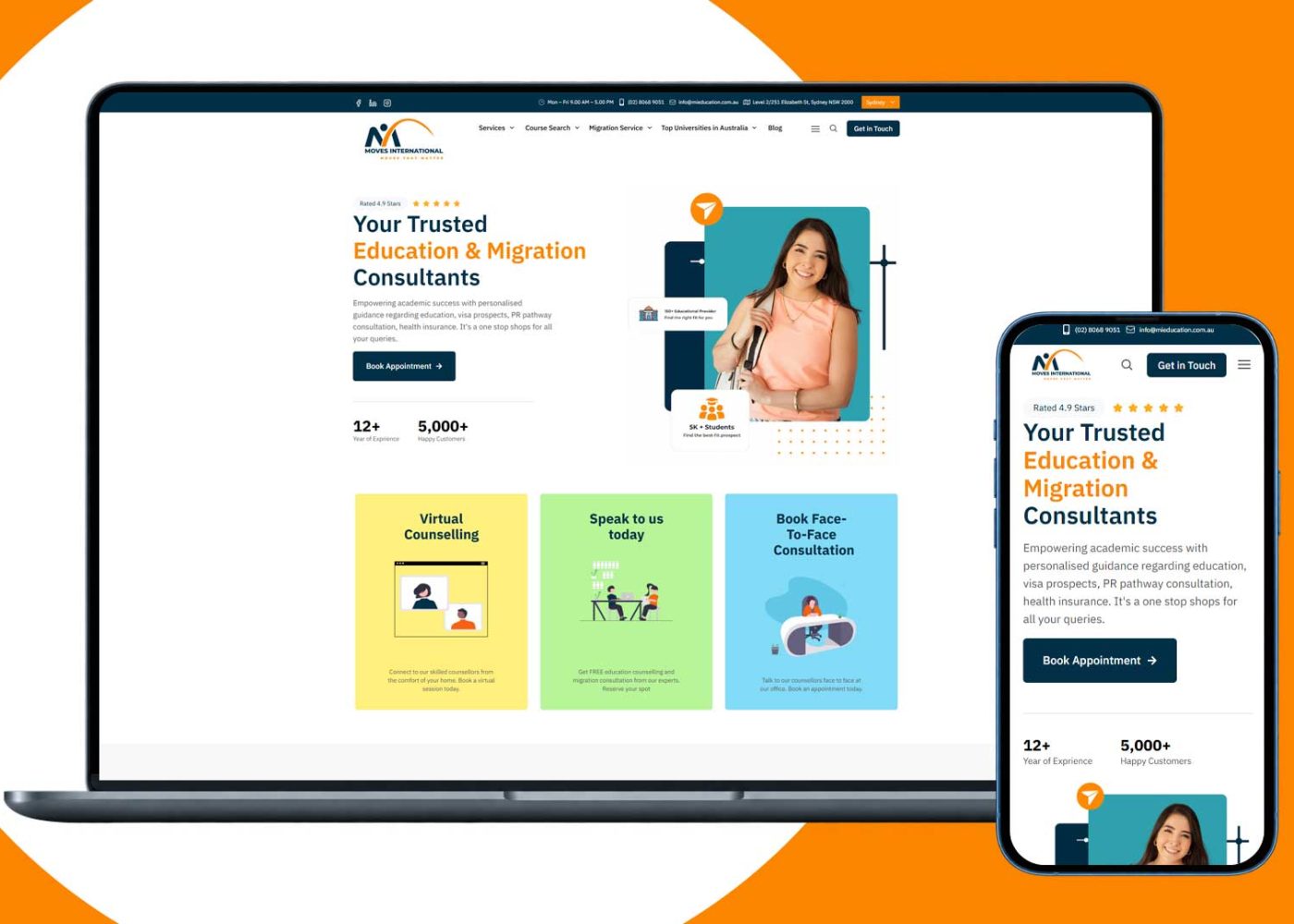

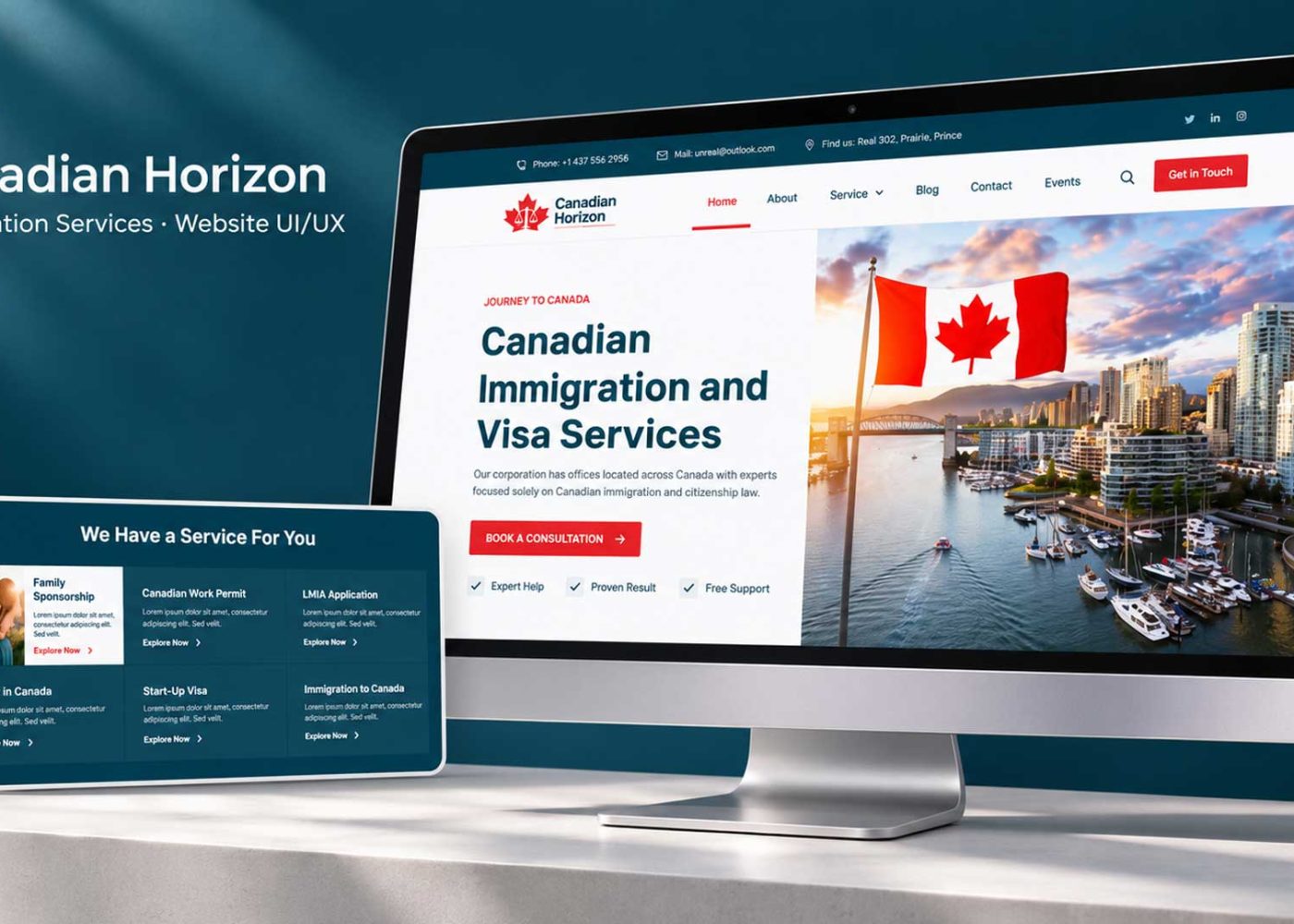
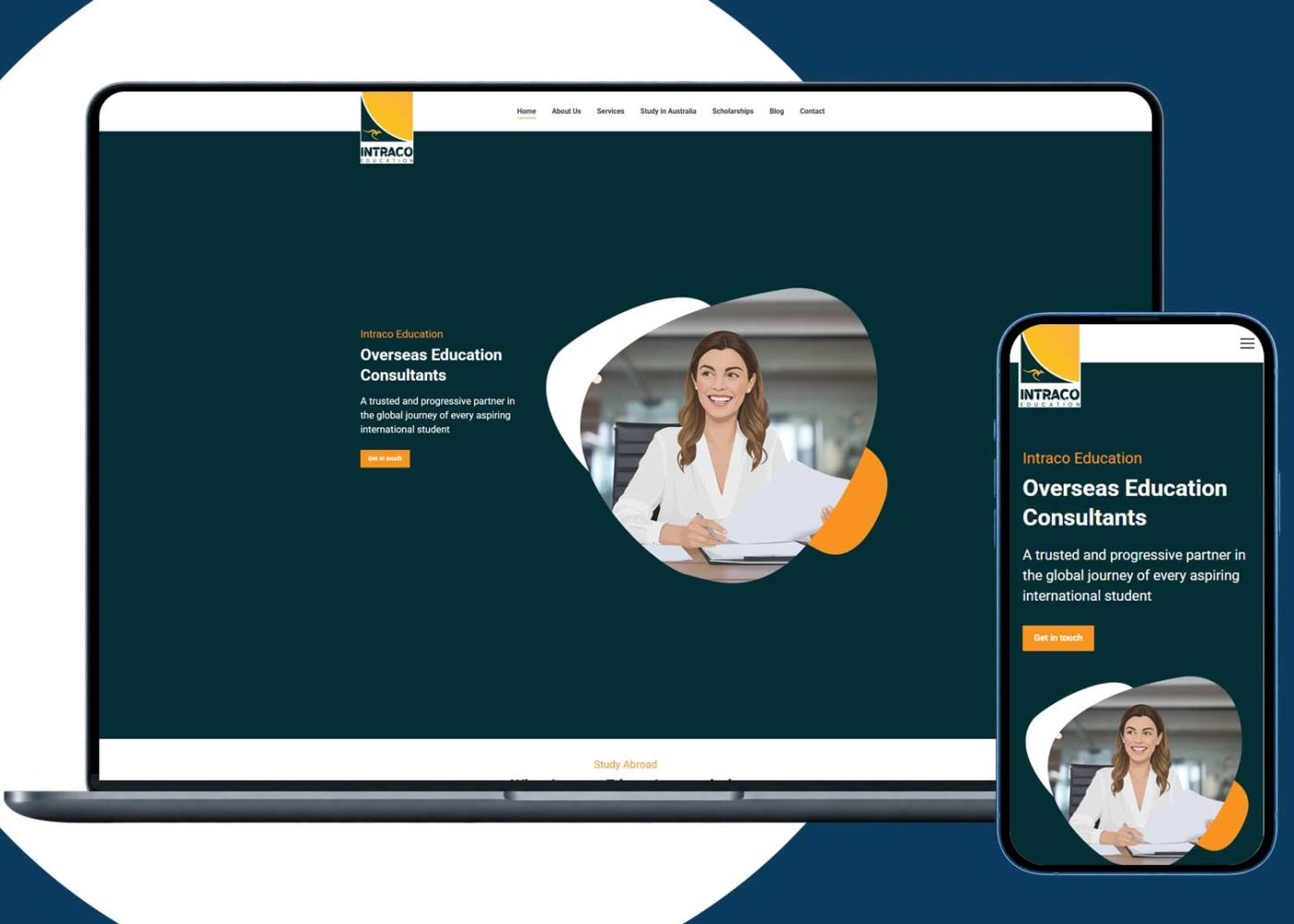
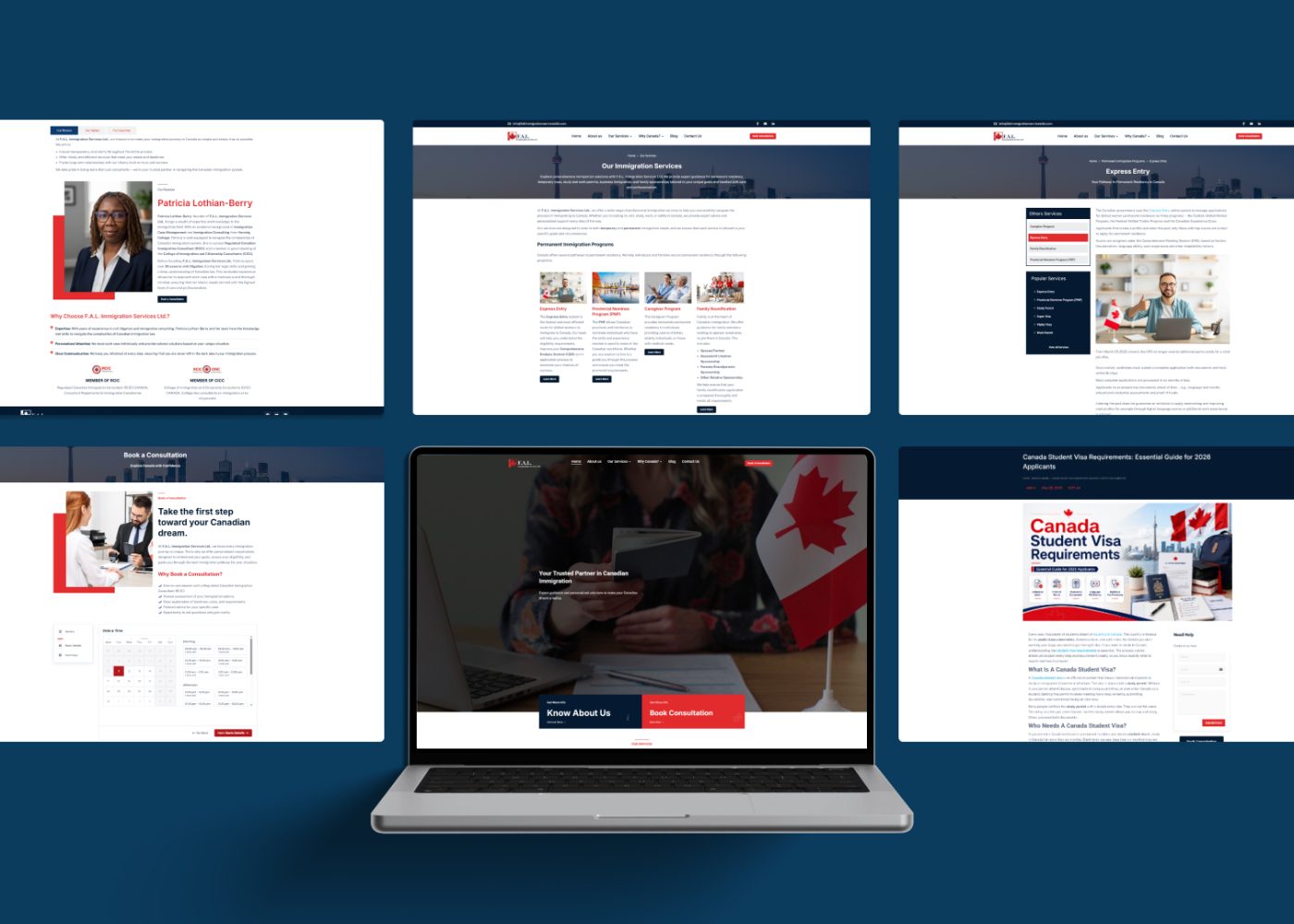















Position your RCIC firm for a niche by choosing a defined client need that matches your competence, confirming that people seek help with it, and building a clear service experience around that need. Your message, website, content, and consultation process should all explain who you help and what support you provide.
Start with one priority audience you can serve well. Examine its recurring questions, the work involved, and how people currently find your practice.
A useful niche gives your marketing a clear focus while keeping your actual service scope accurate.
For a Regulated Canadian Immigration Consultant (RCIC), niche positioning should connect professional capability with a client problem your team understands and can address responsibly.
A niche becomes useful when it describes a recognizable situation and the support being sought.
“People who want to move to Canada” covers many different needs. A more specific description identifies the client, their concern, and the stage at which your firm can help.
Use this structure:
Client group + specific need + decision stage + service your firm can provide
Consider these illustrative directions:
| Potential client niche | Need to understand | Possible service focus |
|---|---|---|
| Families preparing sponsorship applications | Process, preparation, and the scope of professional support | Consultations and application services within the firm’s expertise |
| Canadian employers planning an international hire | The immigration work associated with the proposed hire | Employer consultations and relevant immigration services |
| Temporary residents considering an extension of their stay | Their circumstances and available next steps | Individual consultations and applicable application support |
These are examples to investigate against your actual capabilities and demand. They are not assessments of anyone’s eligibility.
Include practical details such as supported languages, appointment formats, and the locations your team can serve appropriately.
The description should be specific enough that a prospective client can recognize why the page or message may be relevant.
Begin with the work your professionals are equipped to deliver.
Section 19 of the Code of Professional Conduct requires licensees to provide services competently and diligently and to refrain from work beyond their competence or licence scope. Make that the starting point for your marketing priorities. laws-lois.justice.gc.ca
Review a small set of candidate niches using evidence from your practice.
| Criterion | Evidence to examine |
|---|---|
| Professional fit | Relevant knowledge, experience, and licence scope |
| Demonstrated need | Recurring enquiries and requests for appropriate help |
| Access to the audience | Existing discovery channels and relevant professional visibility |
| Delivery capacity | Consultant availability, staff support, and required preparation |
| Commercial fit | Work involved, pricing clarity, and resources needed to deliver |
| Durability | Whether the client need can remain meaningful as circumstances change |
Prefer a niche where these factors support one another.
Strong audience interest creates a delivery problem if your team lacks suitable capacity. Relevant experience needs a clear route through which prospective clients can discover and evaluate your services.
Document the decision in a brand strategy and positioning framework. Explain why the audience is a priority and what evidence supports that choice.
Review enquiry records, consultation questions, and the language people use when describing their needs.
Look for patterns:
Use aggregated observations for planning and keep personal client information confidential.
You can also ask willing clients or prospective clients what they found difficult to understand when looking for help. Focus on their information needs and decision process.
Review competitors’ public pages to understand how the service is presented. Identify questions your firm can explain accurately and usefully.
Treat search interest and social engagement as supporting signals. Confirm whether the interest translates into suitable enquiries and work your team can deliver.
Choose a priority niche based on the combined evidence.
Translate the choice into a message that explains the audience, need, and working approach.
A useful internal template is:
We help [specific clients] with [defined immigration need] through [accurate service or process], supported by [verifiable capability].
For a hypothetical family sponsorship focus, the public-facing message might be:
Clear guidance for families preparing sponsorship applications, with structured consultations and explained preparation steps.
This statement describes a service experience the practice would need to deliver consistently.
Support it with concrete information:
Explain the differentiator in observable terms. If you emphasize preparation, provide useful instructions. If you emphasize language access, make the available languages clear during booking.
Use branding and identity services to apply the chosen position consistently once the underlying offer is clear.
You can test a message and service page within an existing identity before considering a new business name or complete redesign.
Give prospective clients clear information about the people behind the service.
Publish accurate biographies, professional roles, relevant experience, and service descriptions. Link to the College’s Public Register, where people can verify a consultant’s licence status and listed professional information. register.college-ic.ca
Describe your experience precisely. Explain the work you undertake and how you approach the client’s preparation and communication needs.
A chosen niche needs evidence behind the claim. Use clear professional explanations and realistic process information to demonstrate that understanding.
For advertising, section 44 of the Code requires the licensee’s registered name prominently at or near the beginning, in the advertisement’s language, and the public register’s internet address in written advertisements. It also prohibits misleading claims, success guarantees, and implications of a federal or provincial government relationship. laws-lois.justice.gc.ca
Build the professional review of your niche messaging into the publishing process.
Create a page that helps the intended audience understand the service and decide how to proceed.
A useful page should include:
Keep the content specific to the audience’s decision.
A family sponsorship page might explain how a consultation works and what preparation information the firm requests. An employer-focused page should explain the proposed engagement and who will be involved.
Use distinct content when the audience, service, and process genuinely differ.
An invitation to a particular service should lead to matching appointment information.
Explain who the client will meet, the appointment format, what is included, and what requires a separate discussion.
Request enough initial information to route the enquiry appropriately. Provide clear instructions for the later professional assessment and document process.
A focused website design project can connect the positioning with these practical tasks.
Review the complete route on a phone, including the confirmation message.
Plan content around recurring questions, preparation needs, and service explanations.
For a family sponsorship focus, useful topics might include:
Where content discusses immigration requirements, have a suitably qualified professional review it and keep it aligned with current official information.
Google’s guidance on helpful content asks whether a site has an intended audience, demonstrates relevant expertise, and has a primary purpose or focus. Use those questions to assess whether your content serves the people you want to reach. developers.google.com
Choose a manageable publishing routine that adds useful explanations. Review feedback to decide what needs more detail.
A coordinated set of creative assets and content templates can help keep the presentation recognizable across channels.
Start with a bounded pilot: one priority niche, a clear service page, accurate consultation information, and a manageable set of supporting content.
Choose a review period that gives you enough opportunity to observe enquiries and appointments.
Record the starting position and review the following:
| Measure | What it helps you assess |
|---|---|
| Relevant page visits | Whether the intended audience is finding the offer |
| Suitable enquiries | Whether requests match your advertised service scope |
| Booked consultations | Whether people understand and take the next step |
| Preparation and attendance | Whether instructions support the appointment |
| Professional and staff time | Whether the service can be delivered sustainably |
| Recurring questions | Which parts of the message need clarification |
Define a suitable enquiry as one whose request matches your service scope and next step. Assess immigration eligibility through the professional process.
Record discovery channels so you can distinguish positioning feedback from changes in promotion or visibility.
Treat a small response sample as initial feedback. Review the quality of the enquiries and the work involved before increasing the investment.
A priority niche can guide marketing while your firm continues offering other appropriate services.
Make the main focus clear and keep the wider service menu accurate. Define how staff should route adjacent enquiries.
If prospective clients repeatedly misunderstand the offer, refine the language or decision stage. If delivery is difficult, review capacity and scope.
Build the position around a client need you understand, and monitor how policy or market changes affect the services relevant to it.
Review the niche as the practice gains experience. Expand the focus when there is evidence of appropriate demand and the capability to support the additional work.
Treat the first quarter as a foundation and learning period. It does not guarantee a particular number of clients.
| Period | Main work | What to review |
|---|---|---|
| Days 1–30 | Choose a priority service, audit the booking journey, establish source tracking, and assign enquiry ownership | Whether suitable prospects can understand the service and reach the team |
| Days 31–60 | Improve the service page, review local listings, publish useful content, and implement follow-up tasks | Enquiry quality, response consistency, and completed consultations |
| Days 61–90 | Test one additional channel and review engagement outcomes | Acquisition costs, service capacity, and the next bottleneck |
Hold a short weekly review. Examine missed enquiries and client questions as well as campaign numbers. Those conversations often reveal improvements that a dashboard cannot explain.
Your next project
Have a business in mind? Tell us about your ideas, your audience, and the identity you want to create.
Prefer a direct conversation?
A priority niche gives your marketing a main focus. You can continue offering other services within your competence and licence scope. Keep service information accurate and make enquiry routing clear.
Choose a description that connects a recognizable audience with a service need and decision stage. It should be specific enough to guide useful communication and practical enough to support work your firm can deliver.
Begin with relevant professional capability and carefully investigate demand. Use consultations, audience feedback, and a limited pilot to develop evidence. Describe your experience accurately while building the practice.
Test the positioning first. A focused page, clearer message, and consistent consultation experience may be sufficient. Consider naming changes only when they address a demonstrated problem and support the wider business direction.
Look for clearer understanding, suitable enquiries, appropriate bookings, and a service your team can deliver consistently. Review these signals together with acquisition effort, capacity, and client feedback.
Choose a niche where professional fit, demonstrated need, and delivery capacity support one another. Explain the offer clearly, connect it to a useful client experience, and test the response before expanding the investment.
M4YOURS IT helps immigration practices connect positioning, branding, websites, content, and enquiry processes. Explore our services for immigration firms or contact M4YOURS IT to develop a practical positioning plan for your firm.
Adding {{itemName}} to cart
Added {{itemName}} to cart