Share

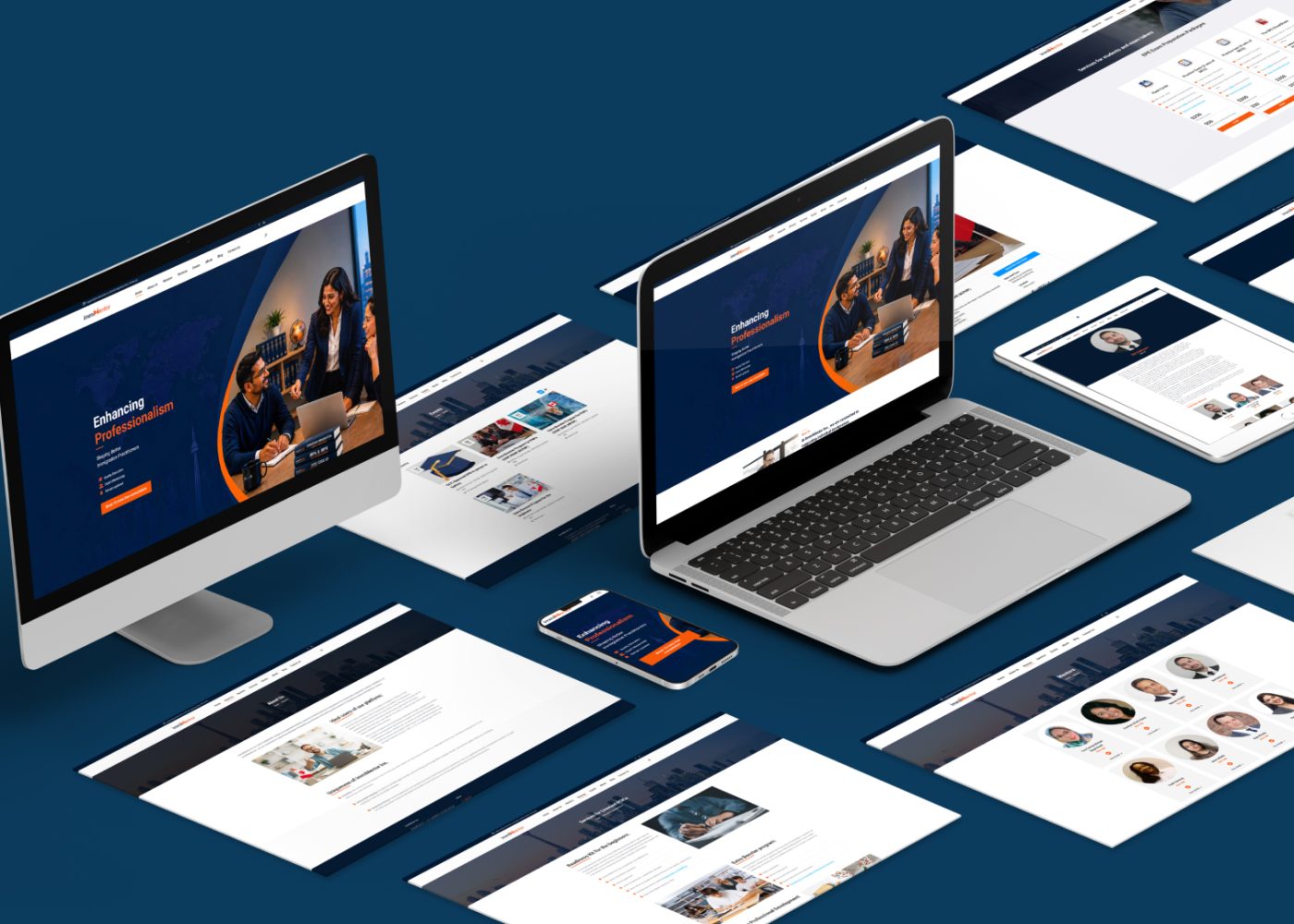
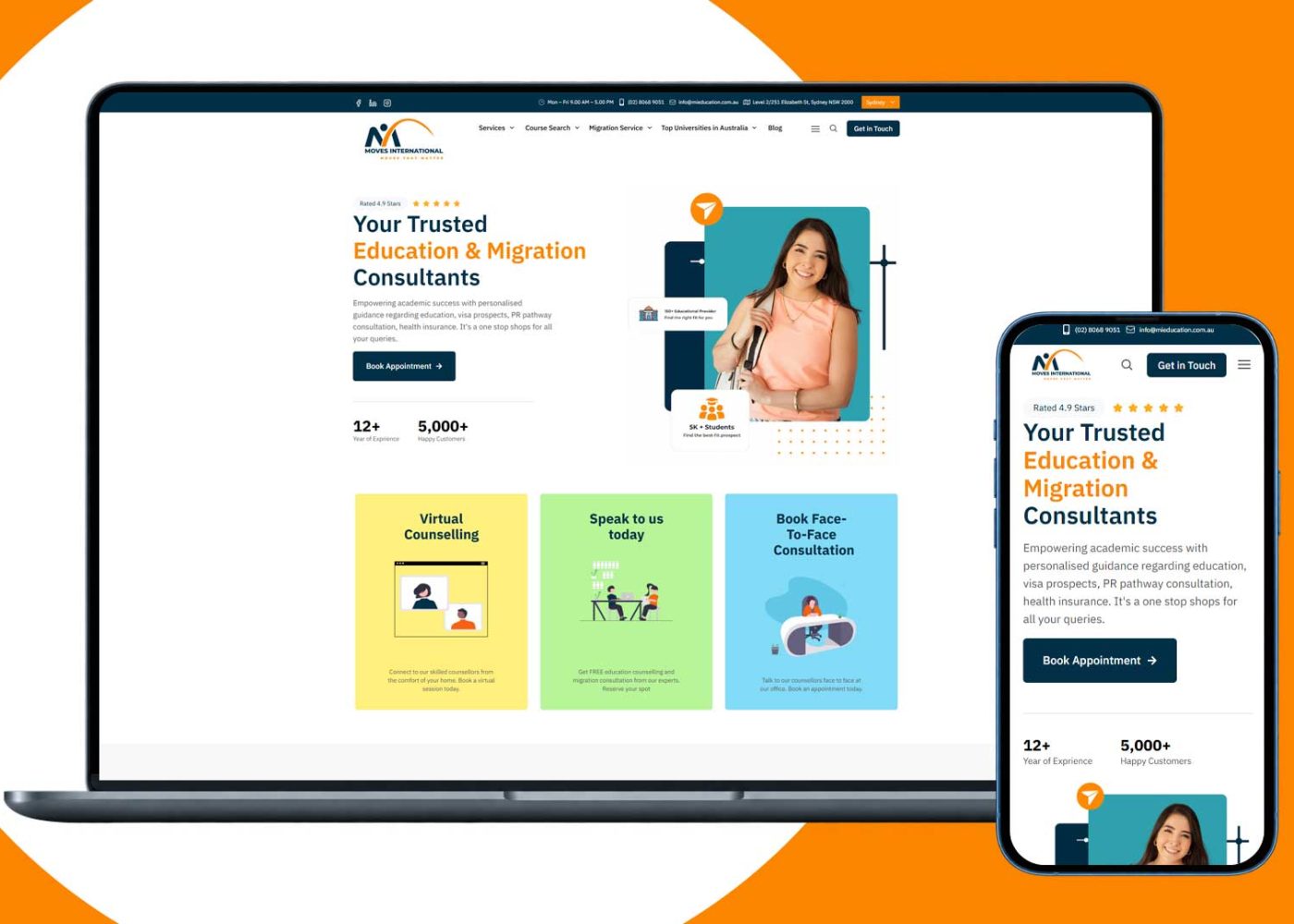
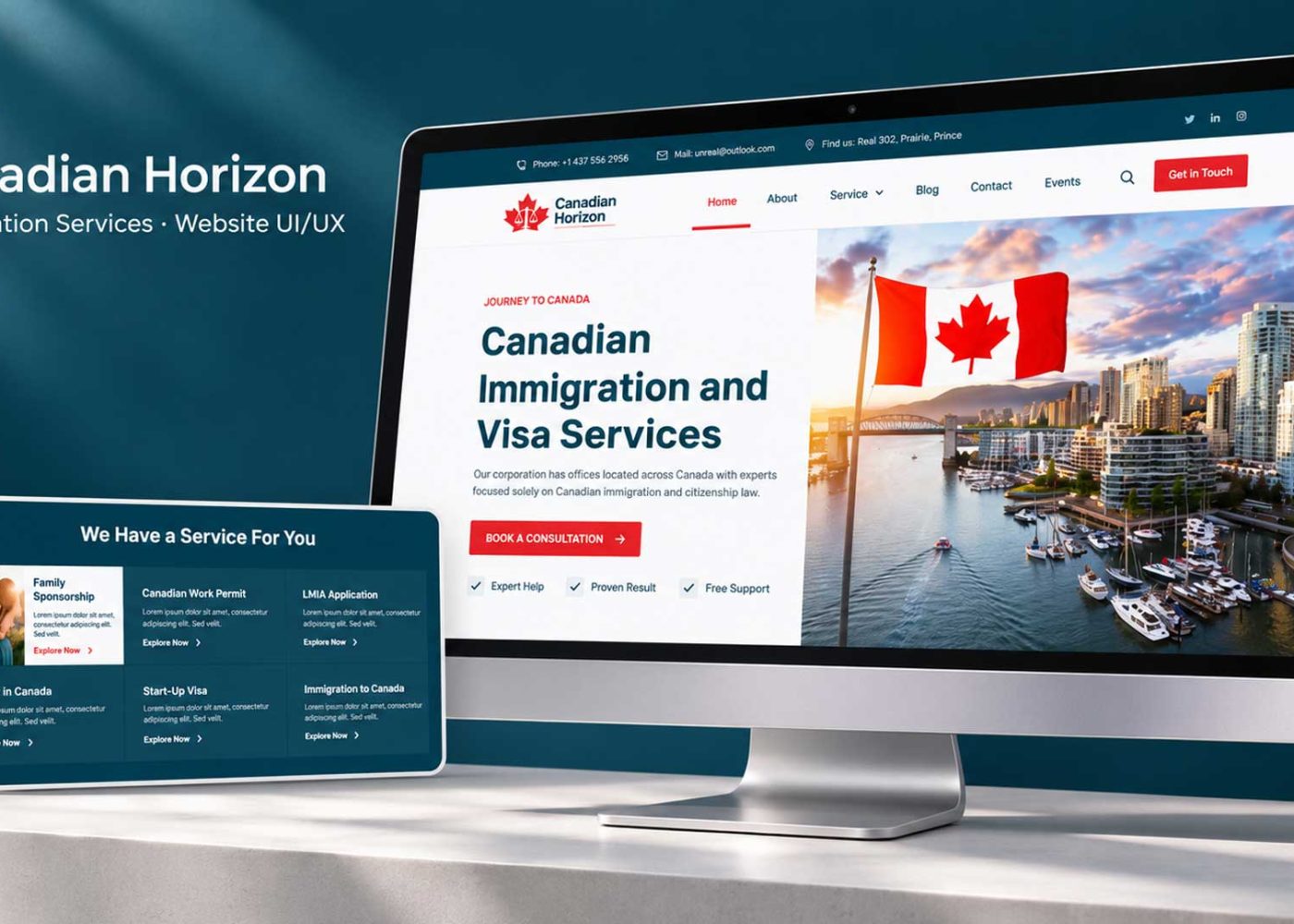
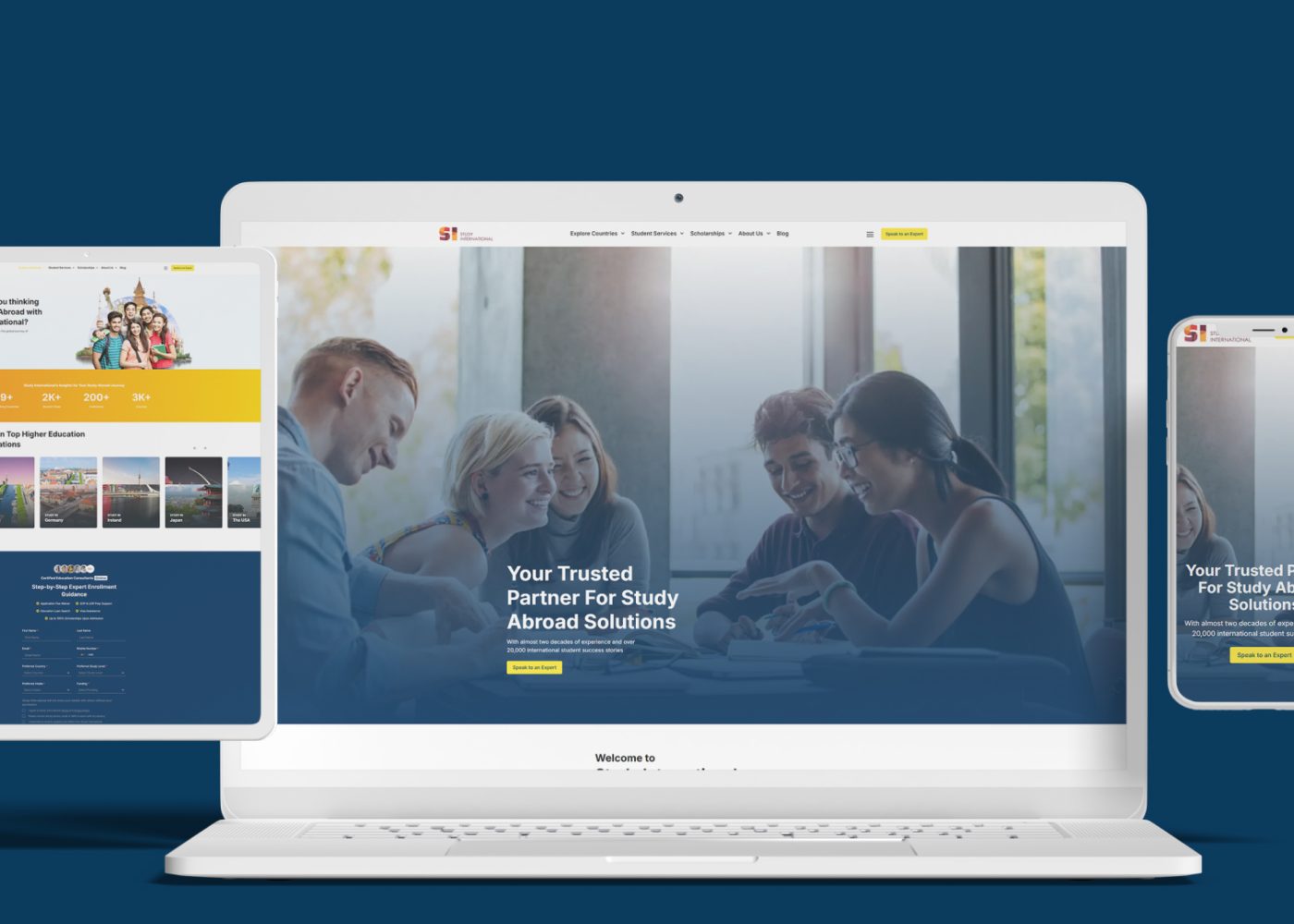
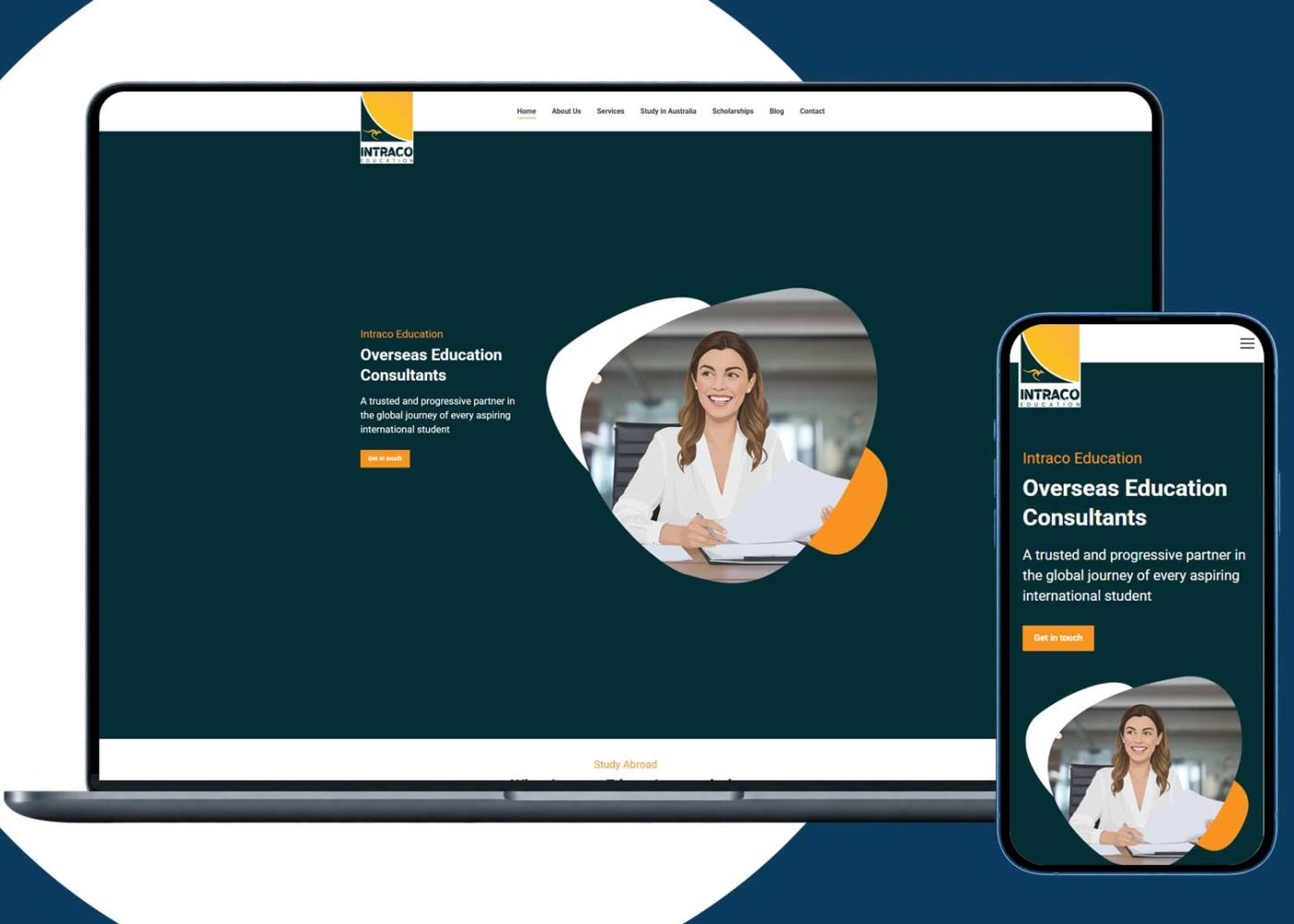
















For an RCIC firm whose website mainly explains services, publishes content, and generates consultation enquiries, my starting recommendation is a well-managed WordPress website with a design suited to the firm.
Consider custom development when specific workflows, permissions, or integrations justify the additional build and support work. A WordPress public website connected to a separately scoped client portal may also be appropriate.
Choose around the work the website must perform, the information it will handle, and the team responsible for maintaining it.
Write down the actual requirements before comparing platforms.
Separate the public website from operational systems:
| Requirement group | Examples |
|---|---|
| Public marketing | Service pages, professional profiles, articles, landing pages |
| Enquiry and booking | Contact forms, appointment scheduling, confirmations, CRM handoff |
| Client operations | Document collection, private messages, case-related tasks, staff permissions |
These groups have different needs. A firm may need a strong marketing website and an existing booking service, while another needs a more involved operational system.
For each requirement, identify the user, responsible staff member, information involved, and expected outcome.
Our marketing strategy and consulting services can help connect the website scope with consultation goals and daily working practices.
WordPress is a content management system, or CMS: software for managing website content. In this article, WordPress refers to the open-source software, with hosting and maintenance selected for the project.
A WordPress website can have a custom design, tailored editing tools, and custom-developed functionality.
A custom website usually means a solution developed around a particular specification using a chosen set of technologies. Its content editor, administration screens, integrations, and support arrangements must still be defined.
The comparison is therefore broader than a ready-made appearance versus a unique design.
Ask what each proposal includes. Two quotations labelled “WordPress” can describe very different projects, just as two custom-development proposals can.
WordPress is a sensible option to evaluate when your team needs to manage service information, professional profiles, and educational content regularly.
Its official features overview describes publishing tools, revisions, user roles, media management, themes, and extensibility through plugins. Plugins add functionality beyond the core publishing system. WordPress.org
For an RCIC marketing website, that can provide a useful foundation for an editable content structure and consistent page templates.
Specify how your team will actually work. Ask for a demonstration of editing a consultation fee, updating a team profile, publishing an article, and creating a landing page.
For booking, CRM, or payment functions, assess the proposed integration rather than assuming a plugin will meet every requirement.
Keep a documented list of extensions, their purpose, licensing arrangements, and support responsibility.
Our website design services can help shape the design and editing experience around the firm’s content and consultation journey.
Custom development becomes worth evaluating when the requirements are specific enough that standard tools or extensions would need substantial adaptation.
Examples might include:
First assess whether an established service or a focused integration can meet the need.
Then describe the remaining gap in practical terms. “We need a modern platform” is difficult to evaluate. “A consultant must review a document request before it becomes visible to a client” is a testable requirement.
A custom proposal should explain the administration tools, error handling, testing, documentation, and ongoing support.
Budget for maintaining the software after launch. The value of custom development depends on whether the tailored workflow solves a meaningful operational problem.
Use a common comparison brief:
| Decision area | What to ask about WordPress | What to ask about custom development |
|---|---|---|
| Content editing | Can staff manage the required content without disrupting layouts? | Which editing tools and permissions are included? |
| Design | How will the design be implemented and maintained? | Which page types and reusable components are included? |
| Booking and CRM | What do the chosen tools support, and where are the limitations? | What will be integrated or built, and who maintains it? |
| Client workflows | Can the proposed solution meet the required controls and processes? | Are the workflow rules and exception cases fully specified? |
| Performance | How will the actual pages and integrations be tested? | How will the actual pages and integrations be tested? |
| Maintenance | Who manages updates, compatibility, backups, and recovery? | Who manages dependencies, infrastructure, fixes, and recovery? |
| Handover | What access, documentation, and export arrangements are included? | What code, deployment, documentation, and export arrangements are included? |
Use demonstrations and acceptance criteria to assess the answers.
A longer feature list does not necessarily describe a better fit. Focus on the features your team will use and the responsibilities required to keep them working.
A suitable CRM and marketing automation setup can help connect either website approach with a structured enquiry process.
A public service page and a private client workspace should receive different design and data-handling attention.
For document uploads, private messages, or case-related tasks, define:
The Office of the Privacy Commissioner of Canada’s cloud-computing guidance for smaller businesses explains that outsourcing personal information does not remove the organization’s accountability. It emphasizes assessing information sensitivity, safeguards, provider arrangements, and applicable privacy obligations. priv.gc.ca
A practical option is a WordPress marketing website alongside a separately evaluated client portal or case-management service.
That portal could be an existing product or a custom application. Define the boundary and any data exchange deliberately.
Assess the proposed controls and operating arrangements for either platform. A technology label alone does not establish that a client system is appropriate.
Ask providers to quote against the same scope and comparison period, such as three years.
Include the work needed to run and change the website:
| Cost category | What to include |
|---|---|
| Initial project | Discovery, design, implementation, content entry, migration |
| Hosting and infrastructure | Hosting, storage, monitoring, backup services |
| Software and services | Applicable licences, subscriptions, booking or CRM tools |
| Maintenance | Updates, compatibility checks, security work, recovery testing |
| Improvements | New pages, workflow changes, integrations, reporting changes |
| Training and handover | Staff training, documentation, access transfer |
| Future exit | Content, data, and system migration work |
Avoid counting a service twice when it is already included in a maintenance or hosting package.
WordPress software has no licensing fee, but the project still requires design, hosting, implementation, and support. Custom-development costs also depend on the functionality and operating arrangements included.
Compare the actual proposals. A complex WordPress implementation and a simple custom website may have very different cost patterns from the labels people expect.
Document assumptions about future changes so the comparison remains meaningful.
Ask each provider to demonstrate the outcomes your public website needs.
Can staff maintain service information? Can visitors understand the consultation offer? Does the booking journey work on a phone? Can the team connect enquiries with consultation outcomes?
For search visibility, review the proposed content structure, editing controls, technical setup, and migration plan. Neither platform name establishes that the finished website will rank well.
Similarly, assess loading, responsiveness, accessibility, and booking completion on the actual implementation.
If the existing website has useful pages or search visibility, identify the URLs and content that need preserving during migration. Plan redirects and check important journeys after launch.
Our immigration marketing services can help keep these decisions connected to the firm’s services, audience, and consultation process.
Ask who will keep the website operational and what the support agreement covers.
WordPress’s official hardening guidance emphasizes risk reduction through appropriate controls, trusted software sources, updates, access restrictions, and backup preparation. Hosting and website responsibilities should be understood separately. Developer.WordPress.org
For a custom build, establish equivalent responsibility for application dependencies, infrastructure, access controls, monitoring, fixes, and recovery.
For either option, document:
Confirm that critical editing and booking tasks still work after significant updates.
Ownership questions should be addressed in the project agreement. “Custom” does not, by itself, explain what code, third-party services, or transfer rights the firm receives.
Likewise, an editable CMS does not replace a documented handover and maintenance plan.
These are starting recommendations to validate against the proposed scope:
| Firm situation | Recommended starting point |
|---|---|
| Solo RCIC needing service pages, articles, and consultation enquiries | A well-managed WordPress website with a suitable editing experience |
| Growing firm publishing frequently with several content contributors | WordPress with clear roles, templates, and an appropriate maintenance plan |
| Firm with defined operational workflows that existing products cannot meet adequately | Evaluate a custom application or targeted custom functionality |
| Firm needing a public website and private client workspace | Assess a combined approach, with each system scoped for its responsibilities |
| Firm with an effective existing website but a weak booking process | Investigate a focused booking or integration improvement before replacing the platform |
Team size alone should not decide the architecture. A larger practice may still have straightforward public publishing needs.
Similarly, a small specialist firm may have a complex workflow worth evaluating separately.
Start by documenting the requirements and testing the most uncertain integration or editing task. Choose the proposal that meets those requirements with a support burden the firm can sustain.
Give shortlisted providers a realistic task list.
Ask them to demonstrate how staff would update a fee, revise a service page, create an article, handle a booking, and find the resulting enquiry record.
For a private client system, request a demonstration of the proposed permissions and document-access behaviour using dummy data.
Review what happens when an integration fails, a staff member leaves, or a provider relationship ends.
For a custom workflow that has not yet been built, ask for a discovery phase or prototype around the highest-risk requirement. Use the findings to refine the scope.
Keep the decision record: requirements, assumptions, demonstrations, costs, responsibilities, and unresolved questions.
Your next project
Have a business in mind? Tell us about your ideas, your audience, and the identity you want to create.
Prefer a direct conversation?
Yes. WordPress can support a tailored design and editing experience. Ask how the design is implemented and how staff will maintain it, rather than assuming every WordPress project uses the same approach.
Assess the controls, hosting, code, dependencies, access arrangements, and maintenance process in the actual proposal. Neither label provides a security guarantee.
Review the requirements created by growth. More editors, more content, a private portal, and a new approval workflow are different needs. Evaluate each before deciding whether a platform change is justified.
Potentially. Plan the content structure, account arrangements, data boundaries, and integration options carefully. Adding a portal later still requires its own assessment and implementation scope.
M4YOURS IT helps immigration firms plan website design, content management, consultation booking, CRM connections, and tailored technology solutions.
Explore our digital marketing services or contact M4YOURS IT to compare the options around your firm’s requirements, budget, and support capacity.
Adding {{itemName}} to cart
Added {{itemName}} to cart