

Measure immigration marketing by connecting campaign activity to verified business outcomes: qualified enquiries, attended consultations, signed service agreements, and payments. Track each stage separately, calculate the cost of reaching it, and follow enquiries long enough to see what happens.
For an RCIC firm, the practical starting point is a shared measurement plan across your website, booking system, CRM, and financial records.
Your dashboard should answer three questions: Which marketing activities bring suitable enquiries? Where does progress slow down? What does it cost to acquire a new representation engagement?
A signed retainer is an important milestone. Keep its contract value, payments, and earned professional fees separate in your reporting.

Agree on stage definitions before comparing campaigns. Otherwise, your advertising report may call a form submission a conversion while your team uses the same word for a signed agreement.
Use a model like this:
| Stage | Evidence required |
|---|---|
| Marketing click | A recorded interaction with a campaign link |
| Enquiry received | A genuine, deduplicated request for contact |
| Qualified enquiry | Intake confirms the request fits the firm’s service and next step |
| Consultation booked | An appointment is confirmed |
| Consultation attended | The meeting takes place |
| Service agreement issued | The firm sends the proposed engagement terms |
| Signed representation engagement | The executed service agreement is verified |
| Payment received | The financial record confirms a payment |
A qualified enquiry is an intake classification. It does not establish immigration eligibility.
Be precise about agreements. Sections 23 and 24 of the RCIC Code of Professional Conduct address initial consultation agreements and service agreements separately. For this measurement model, “signed retainer” means the executed service agreement for the representation engagement you are tracking. Keep consultation agreements in their own field. laws-lois.justice.gc.ca
These reporting labels do not define when professional obligations begin.
Allow legitimate variations in the journey. If an engagement proceeds without a separate initial consultation, record that route rather than inventing an attended appointment.
Our marketing strategy and consulting services can help establish these definitions around your firm’s actual process.
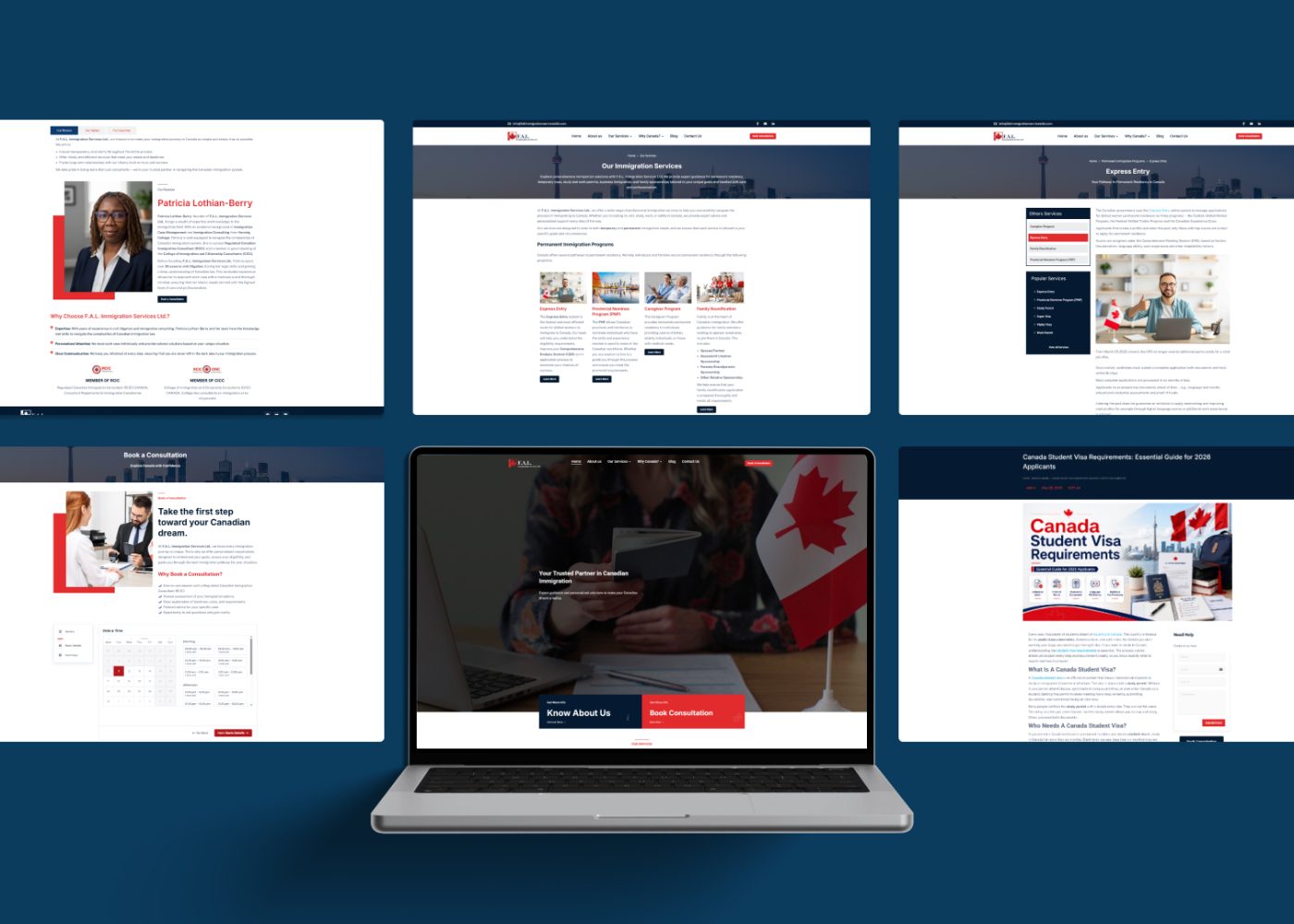




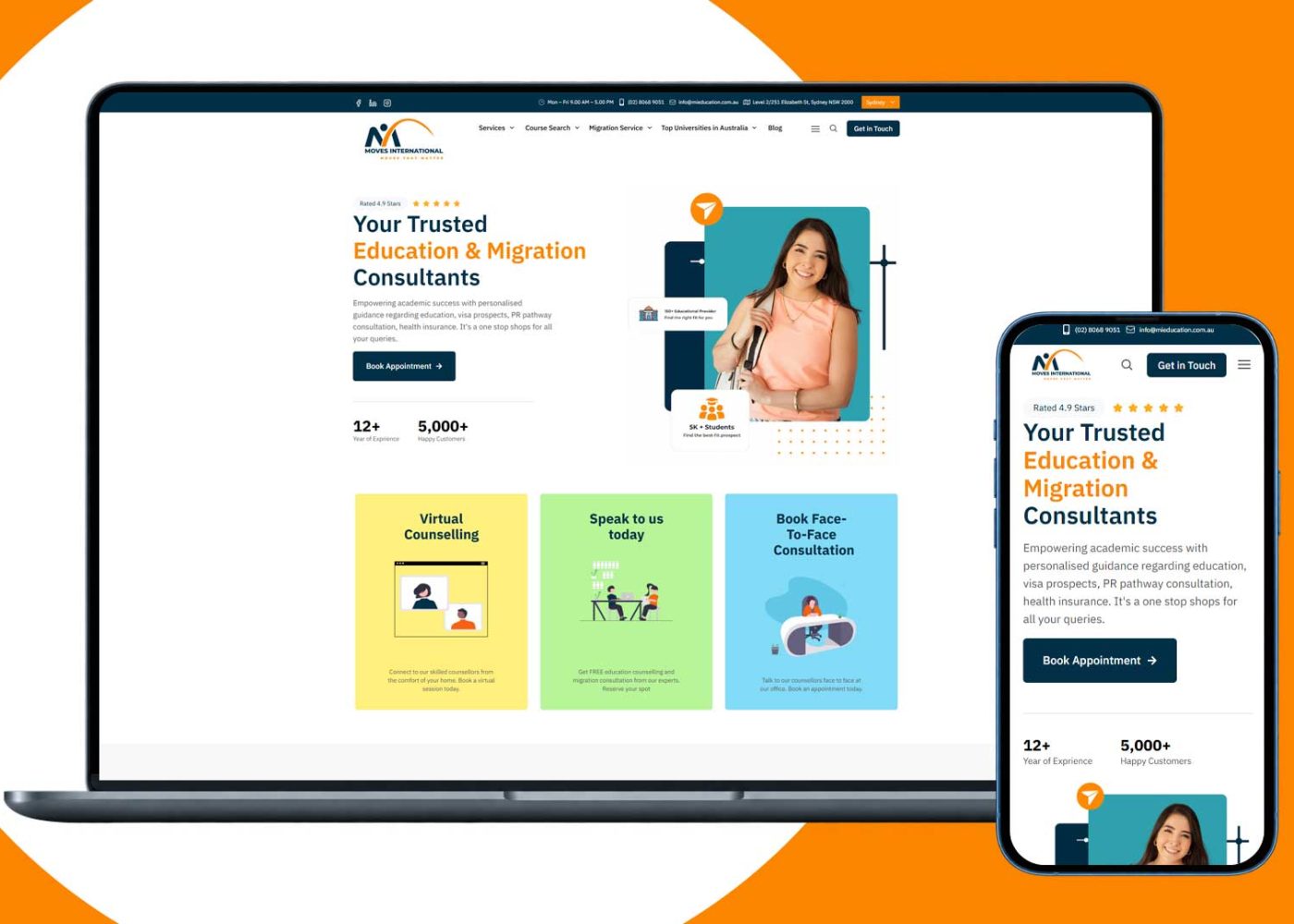
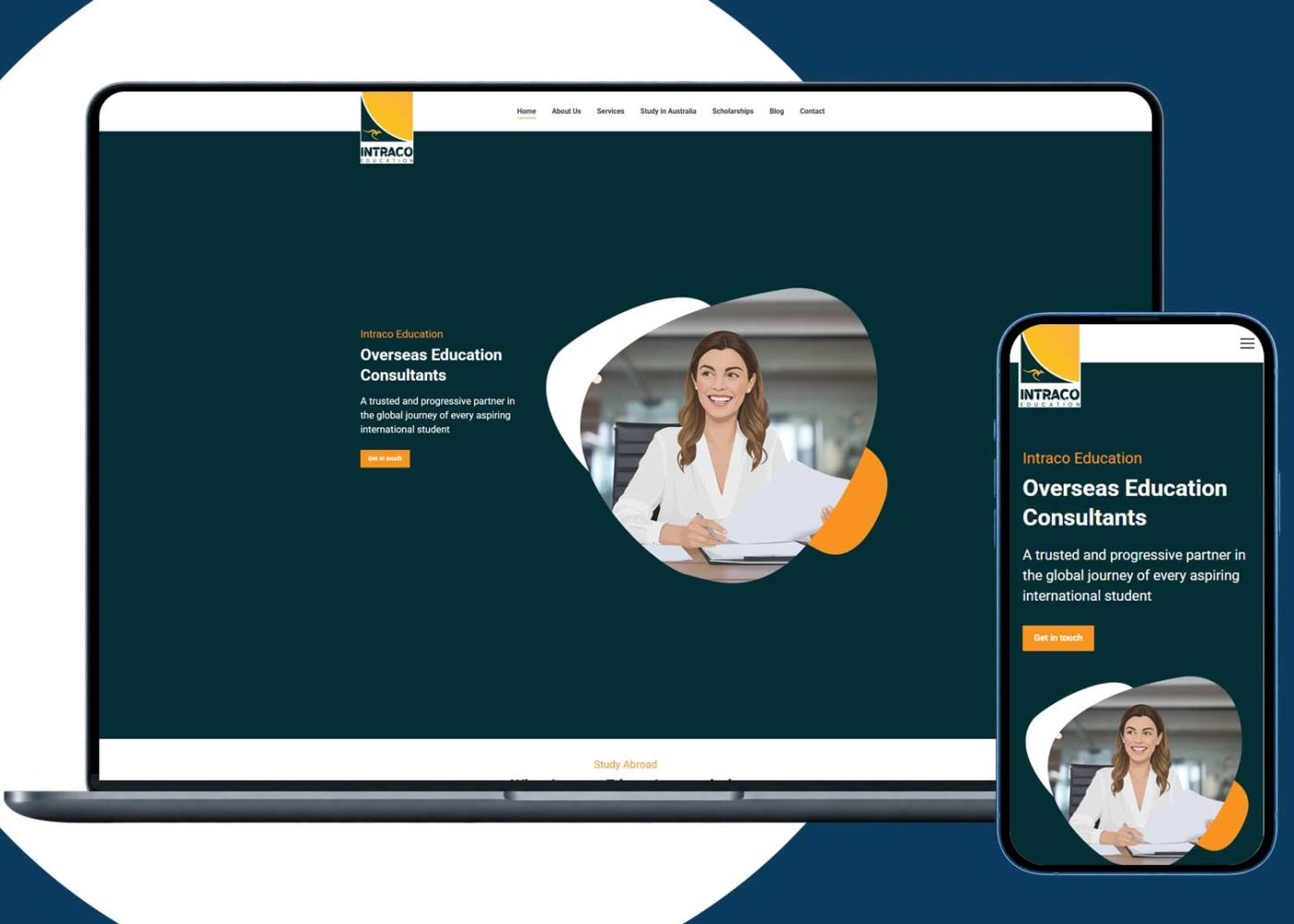


Choose a Consistent Counting Unit
A person may submit a form, call your office, and send a message about the same matter. That should not automatically become three acquisition opportunities.
Keep contact records for people and a separate opportunity record for the potential engagement. Merge duplicate contacts while preserving genuinely different matters.
A family engagement may involve several contacts. An existing client may return for another service. Track new clients, new engagements, and repeat work separately.
For cost per signed engagement, count each new engagement once. An amendment, extra signature, or duplicate CRM record should not create another acquisition.
Record cancellations, lost opportunities, and reopened matters consistently. Preserve the history so the team can understand what changed.
Keep the Fields That Explain What Happened
You do not need a complicated dashboard to begin. You need reliable records that connect an enquiry with its later outcomes.
Include these field groups:
| Field group | What to record |
|---|---|
| Identity and ownership | Internal contact and opportunity IDs, responsible team member |
| Marketing source | Known discovery source, contact route, campaign reference where available |
| Service fit | Service requested, qualification status, reason for the decision |
| Stage dates | Enquiry, booking, attendance, agreement issued, agreement signed |
| Financial references | Payment status and links to the appropriate financial records |
| Next action | Follow-up task, due date, lost reason, or pending decision |
Keep original source information when a record is updated. An enquiry should not lose its campaign history when someone later books through a different route.
Use required fields sparingly, but make the important stage dates and outcomes consistent. Assign someone responsibility for correcting missing records.
A suitable CRM and marketing automation setup can support this structure and routine follow-up.

Connect Your Website, Booking System, and CRM
Define which system confirms each event.
Your website can record a successful enquiry submission. Your booking system confirms an appointment. Your team confirms attendance and service fit. Your agreement records verify execution, and your financial records confirm payments.
A booking-button click shows interest. It does not confirm a booking. Similarly, a phone or WhatsApp click does not prove that a conversation happened.
Test the complete journey:
- Submit a valid enquiry and confirm it creates the intended CRM record.
- Check whether available source information reaches that record.
- Book, reschedule, and cancel an appointment.
- Confirm that attendance is recorded separately.
- Verify that agreement and payment updates reach the correct opportunity.
Check duplicate event triggers and repeated confirmation-page visits. They should not create extra enquiries or signed engagements.
Where separate booking domains or tools are involved, test what information survives the handoff. Keep missing sources visible rather than filling them with guesses.
Our website design services can help improve the enquiry and booking journey alongside the measurement setup.
Follow Enquiry Groups Through to Their Outcomes
An enquiry may arrive in one month, attend a consultation in the next, and sign later.
Use two reporting views:
Calendar-period view: What did the firm spend, book, sign, and receive during the period?
Enquiry-cohort view: What eventually happened to the opportunities first received during a particular period?
The calendar view helps manage workload and cash movement. The cohort view helps assess how an enquiry group progresses and what its acquisition cost looks like.
Set an observation period that reflects your actual decision cycle. Keep open opportunities visible and label recent groups as incomplete.
Compare groups at similar ages. A recent campaign with many pending consultations cannot be assessed fairly against an older group whose decisions are largely complete.
Report time from enquiry to signing among signed engagements, alongside the age and number of opportunities still open. This makes delays easier to interpret.
Calculate the Cost of Each Meaningful Outcome
Include the expenses required to acquire and progress enquiries: media, management, content, tools, and allocated intake effort. Apply shared costs consistently.
Use these calculations:
Stage conversion rate = Opportunities reaching the next stage ÷ Opportunities in the preceding stage
Cost per qualified enquiry = Allocated acquisition cost ÷ Qualified enquiries
Cost per signed engagement = Allocated acquisition cost ÷ New signed engagements
The following example is hypothetical. Amounts are in Canadian dollars before applicable taxes. It follows one campaign’s enquiry group through an agreed observation period.
Each enquiry represents one potential new engagement, and each signed agreement represents one new engagement.






| Campaign measure | Hypothetical result |
|---|---|
| Advertising link clicks | 1,500 |
| Unique enquiries | 100 |
| Qualified enquiries | 60 |
| Consultations booked | 40 |
| Consultations attended | 30 |
| Service agreements issued | 16 |
| Signed representation engagements | 8 |
| Signed engagements with an initial payment received | 6 |
| Media spend | C$3,000 |
| Other allocated acquisition costs | C$1,500 |
| Total allocated acquisition cost | C$4,500 |
Clicks count interactions; the later stages count deduplicated opportunities.
The resulting measures are:
| Metric | Calculation | Result |
|---|---|---|
| Qualification rate | 60 ÷ 100 | 60% |
| Consultation attendance rate | 30 ÷ 40 | 75% |
| Issued-agreement signing rate | 8 ÷ 16 | 50% |
| Enquiry-to-signed engagement rate | 8 ÷ 100 | 8% |
| Cost per qualified enquiry | C$4,500 ÷ 60 | C$75 |
| Cost per attended consultation | C$4,500 ÷ 30 | C$150 |
| Cost per signed engagement | C$4,500 ÷ 8 | C$562.50 |
Media-only cost per signed engagement would be C$375. Label that measure clearly so it is not confused with the C$562.50 figure that includes the other acquisition costs.
Display counts beside percentages. A signing rate based on a small number of agreements carries considerable uncertainty.
Our immigration marketing services can help connect these measures with campaign and intake improvements.

Separate Signed Agreements, Payments, and Earned Fees
Keep four financial concepts distinct:
| Measure | Meaning in the report |
|---|---|
| Agreed professional fees | Fees set out in the service agreement |
| Payments received | Money actually received and recorded |
| Client funds held in trust | Funds held for the client under applicable requirements |
| Earned professional fees | Fees earned according to the firm’s financial records |
Sections 32 and 33 of the Code address advance payments held in a client account and invoicing after services or disbursements. A payment received should therefore not automatically be presented as earned professional fees. Reconcile the dashboard with the firm’s financial records. laws-lois.justice.gc.ca
In the example, eight engagements are signed and six have an initial payment recorded. Those are two separate outcomes. Neither number tells you the amount earned or the profit generated.
For commercial analysis, account for delivery costs, refunds, cancellations, overhead, and acquisition expenses. Keep government fees, taxes, and pass-through amounts separate from professional fee measures.
A contract-value-to-ad-spend ratio cannot, by itself, establish profitability.
Use Attribution to Understand Contributions
A prospect may discover your firm through a referral, read an article, watch a video, and later click an advertisement.
Record the first known discovery source and the contact route where possible. Ask how the person heard about you, while recognizing that self-reported answers can be incomplete.
Choose and document the attribution rule used for each report. Attribution assigns credit according to a rule or model; it does not prove that every attributed engagement was caused by that activity.
Do not add every platform’s reported conversions together as though they represent different engagements. Use deduplicated CRM and agreement totals as the operational reference.
Some journeys will remain partly unknown. Cross-device activity, offline conversations, and unavailable tracking information limit what can be connected reliably.
Send Verified Outcomes Back to Advertising Platforms
Where supported and appropriate, use verified later-stage outcomes to improve advertising measurement.
Google’s qualified leads and converted leads guidance describes using offline information from a CRM or internal system to identify qualified leads and completed conversion steps. Your firm must define what each imported stage actually means. Google Ads Help
For example, an intake-approved enquiry and a verified signed engagement can be separate outcomes. Neither should be triggered simply because someone opens a form or agreement link.
Deduplicate uploads and distinguish diagnostic events from the goals used for optimization. Avoid counting a website event and its imported duplicate as two business outcomes.
Choose goals your firm can record consistently. Deeper-stage measurement is useful, but a small number of signatures should not be treated as a stable performance forecast.
Keep Client Information Out of General Analytics
Keep case details, documents, and sensitive intake information within the appropriate client systems.
Google’s Analytics guidance on personally identifiable information prohibits sending information Google can recognize as PII, including email addresses and personal mobile numbers. It also warns about information leaking through page URLs, titles, form values, and event fields. Analytics Help
Review confirmation pages and tracking fields for accidental disclosure. Use aggregate business outcomes in general dashboards.
Assess any advertising-data integration separately for permitted fields, appropriate permissions, and the platform’s requirements. A CRM integration does not make every client field suitable for every destination.
Turn the Report Into Practical Decisions
Use the dashboard to choose what to investigate next:
| Observed pattern | Investigate |
|---|---|
| Clicks arrive, but genuine enquiries are scarce | Message relevance, page clarity, form function |
| Enquiries arrive, but service fit is weak | Audience, search terms, offer wording |
| Qualified enquiries rarely book | Response process, consultation details, availability |
| Bookings regularly fail to attend | Scheduling, confirmations, reminders |
| Appropriate agreements are issued but remain unsigned | Scope clarity, unanswered questions, decision timing |
| Agreements are signed but expected payments are missing | Payment instructions, agreed schedule, record reconciliation |
A consultation that appropriately ends without further representation is a valid professional outcome. Investigate the reason before labelling it a sales failure.
Review operational problems weekly and compare enquiry groups as they mature. Assign each change an owner and record when it was made.
Increase spending when acquisition costs, service fit, capacity, and commercial results support the decision.
Your next project
Let’s make your brand recognizable.
Have a business in mind? Tell us about your ideas, your audience, and the identity you want to create.
Prefer a direct conversation?
FAQ
Cost per signed engagement is useful when the underlying records are reliable. Read it alongside enquiry quality, consultation attendance, payment status, and service economics. One metric cannot explain the entire journey.
Track them separately. In this model, the signed-retainer measure refers to the executed service agreement for the representation engagement. Keep the definition visible in your reports.
Yes. A spreadsheet can hold opportunity IDs, sources, stage dates, outcomes, and financial references. Use appropriate access controls and update it consistently. Move to a CRM when coordination or record maintenance becomes difficult.
You can identify broken forms and missing records immediately. Acquisition outcomes require time for enquiries to progress. Treat recent groups as provisional until their normal decision period has developed.
M4YOURS IT helps immigration firms connect websites, consultation booking, CRM workflows, campaign measurement, and reporting.
Explore our digital marketing services or contact M4YOURS IT to build a measurement process from first enquiry to verified engagement and financial outcome.