

Use your RCIC firm’s first 90 days to build a clear service offer, launch a dependable website and enquiry process, and test one way of attracting suitable clients. Spend days 1–30 establishing the foundation, days 31–60 building visibility and follow-up, and days 61–90 evaluating a controlled marketing experiment.
The first quarter brings plenty of competing tasks. You need to explain your services, answer enquiries, manage appointments, deliver professional work, and decide which technology deserves investment.
A practical RCIC business growth plan puts those tasks in order. Each phase should leave your firm with something usable: a service page, a working booking journey, a shared enquiry record, or evidence for the next spending decision.
Start With a Day-90 Definition of Progress
Before choosing software or launching campaigns, define what you want to understand by the end of the quarter.
Your plan should answer three questions:
- Service focus: Which clients and services can your firm support consistently?
- Client journey: Can a suitable prospect discover your practice, understand the offer, and book?
- Business evidence: Can you identify where enquiries originate and what happens afterwards?
Keep the scope manageable. A new solo practice might begin with one priority service, one principal audience, and one main acquisition channel. A larger team can assign additional work when clear ownership and capacity exist.
Separate setup work from commercial outcomes. Publishing a service page is something you control. Search demand, client decisions, and the timing of engagements introduce uncertainty.
M4YOURS IT recommendation: build the plan around deliverables and learning milestones, then use actual enquiry data to refine commercial targets.

Days 1–30: Build a Foundation Your Team Can Use
The first month should produce a credible public presence and a working route to your team.
Days 1–7: Choose Your Service Focus and Capacity
Select a priority service that fits your professional authorization, competence, and business direction.
Write down the audience, the questions they usually bring, and what your consultation will cover. Explain the format, duration, applicable price, and next step clearly.
Then estimate capacity. Count the hours available for consultations, preparation, follow-up, administration, and ongoing client work. Leave room for interruptions and professional development.
This prevents a common planning problem: advertising appointment availability that the team cannot reliably support.
Create a short service brief containing:
- Audience: The people or organizations the service is intended to help.
- Scope: What the consultation or engagement includes.
- Capacity: How much work the team can realistically accept.
- Ownership: Who reviews enquiries and handles the next action.
Use the brief to guide the website, content, and booking process.
Days 8–14: Establish a Consistent Professional Identity
Make your consultant profile, contact details, service descriptions, and visual identity consistent across the channels you use.
A focused biography should help prospective clients understand who they will meet and the services you provide. Explain languages and experience accurately.
Our article on building a recognizable personal brand as an independent RCIC can help you connect that professional identity with your public presence.
Build advertising review into the process. Section 44 of the Code requires the licensee’s registered name near the beginning of advertisements and the public register’s Internet address in written advertisements. It prohibits misleading representations, application-success guarantees, and implications of a government relationship.
Section 45 requires client endorsements used in marketing to be genuine, accurate, and approved for public use by the client in writing. Use the Code of Professional Conduct when reviewing these materials. laws.justice.gc.ca




Days 15–21: Publish the Essential Website Pages
Begin with the pages needed to understand the practice and contact it:
- Homepage: Introduce the practice and its priority services.
- Consultant profile: Identify the professional and relevant credentials.
- Service page: Explain the offer, process, and consultation options.
- Booking or contact page: Make the next step straightforward.
- Supporting information: Provide appropriate privacy and service information.
Keep the first release focused enough to maintain. Check mobile readability, page navigation, form delivery, and the booking experience.
Place useful answers near the action. Someone booking a consultation should understand its purpose and what to prepare.
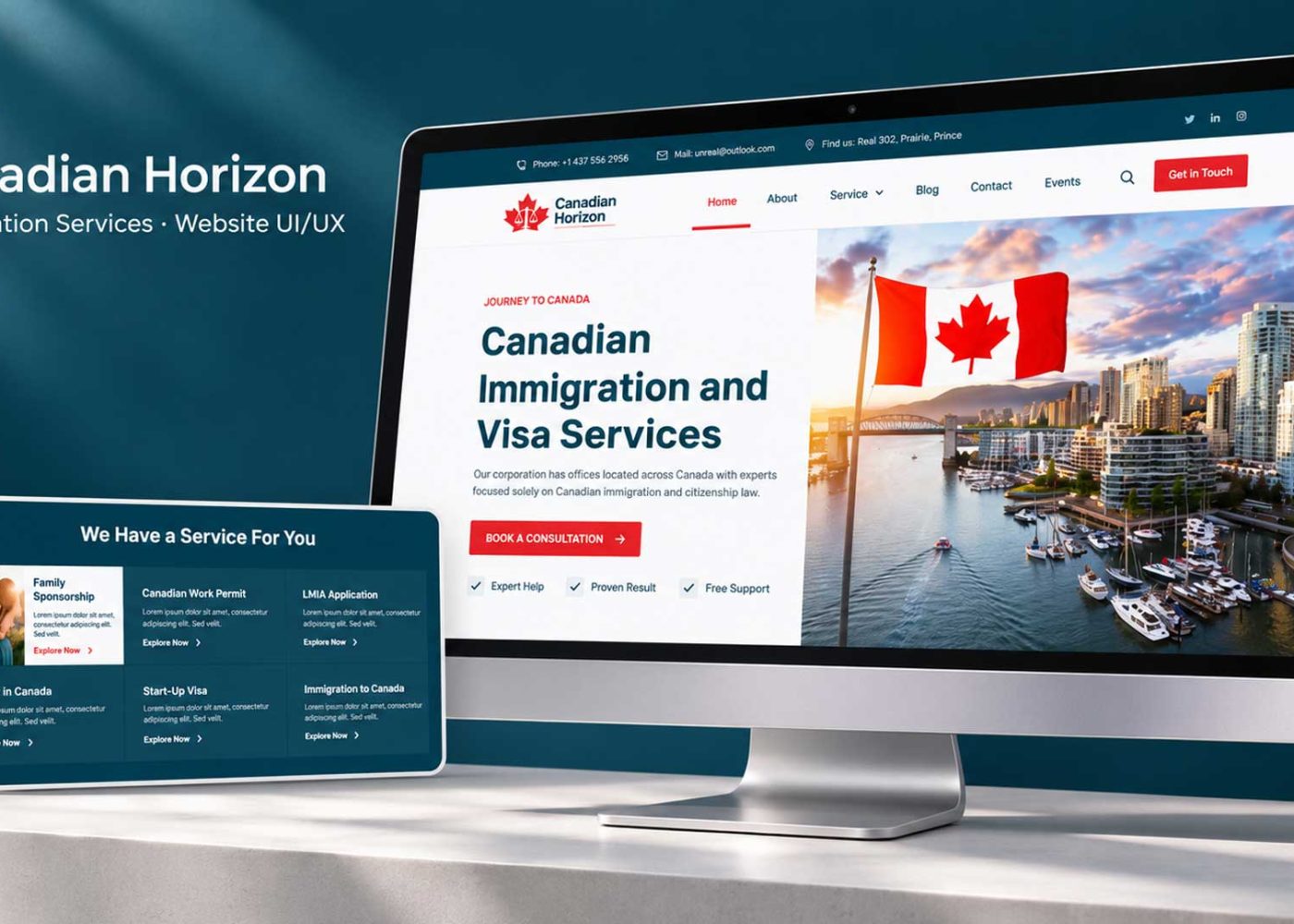
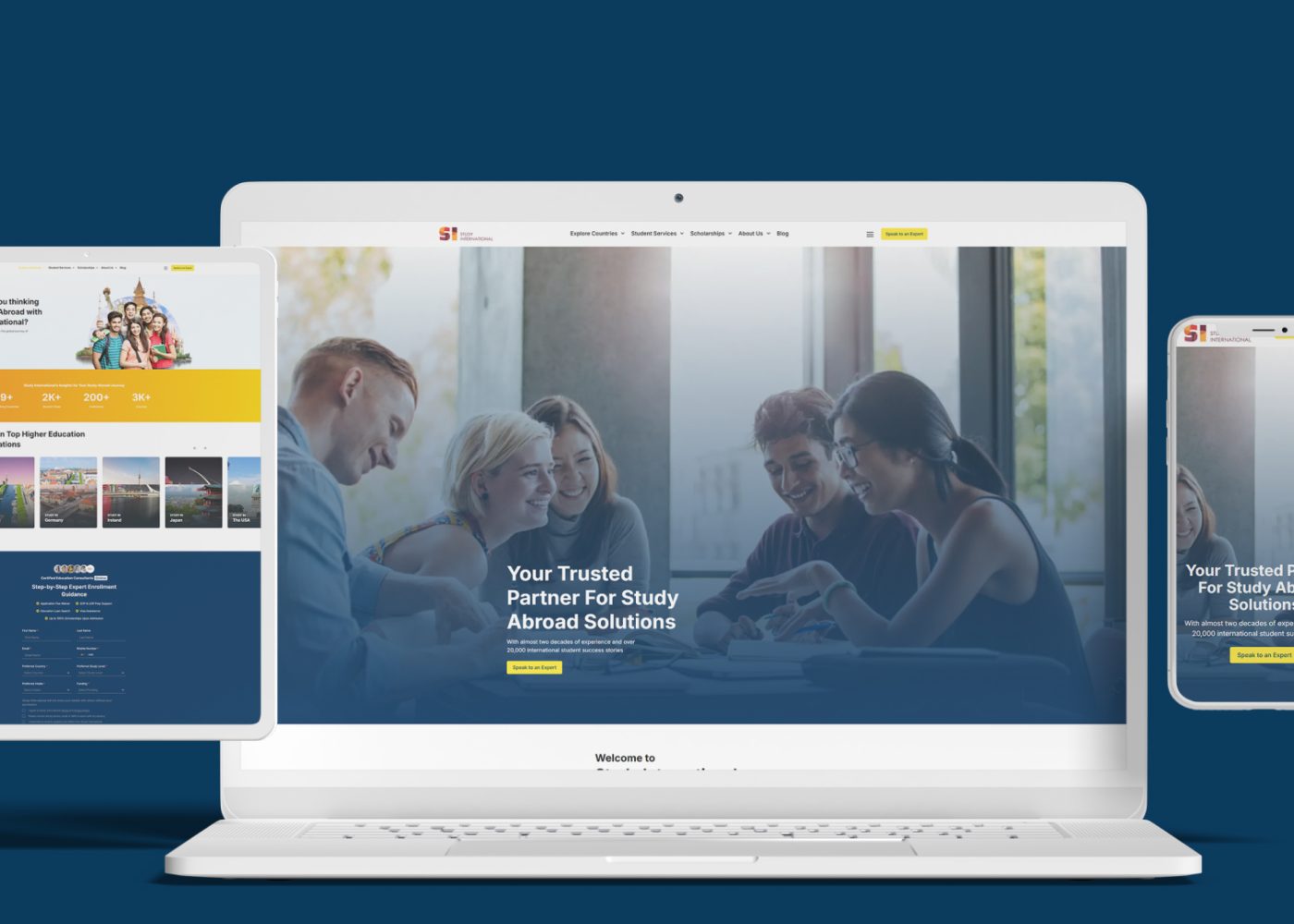
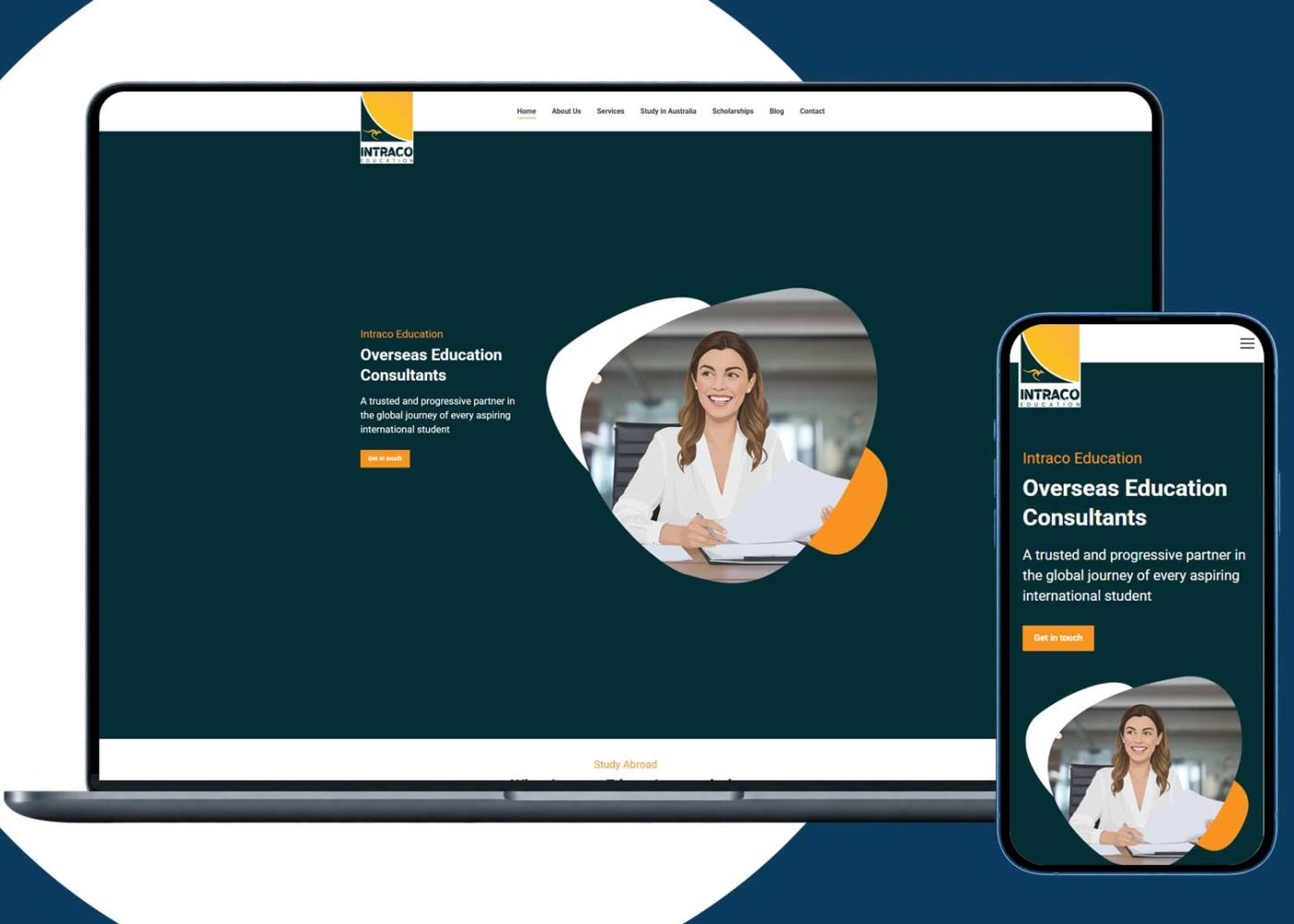
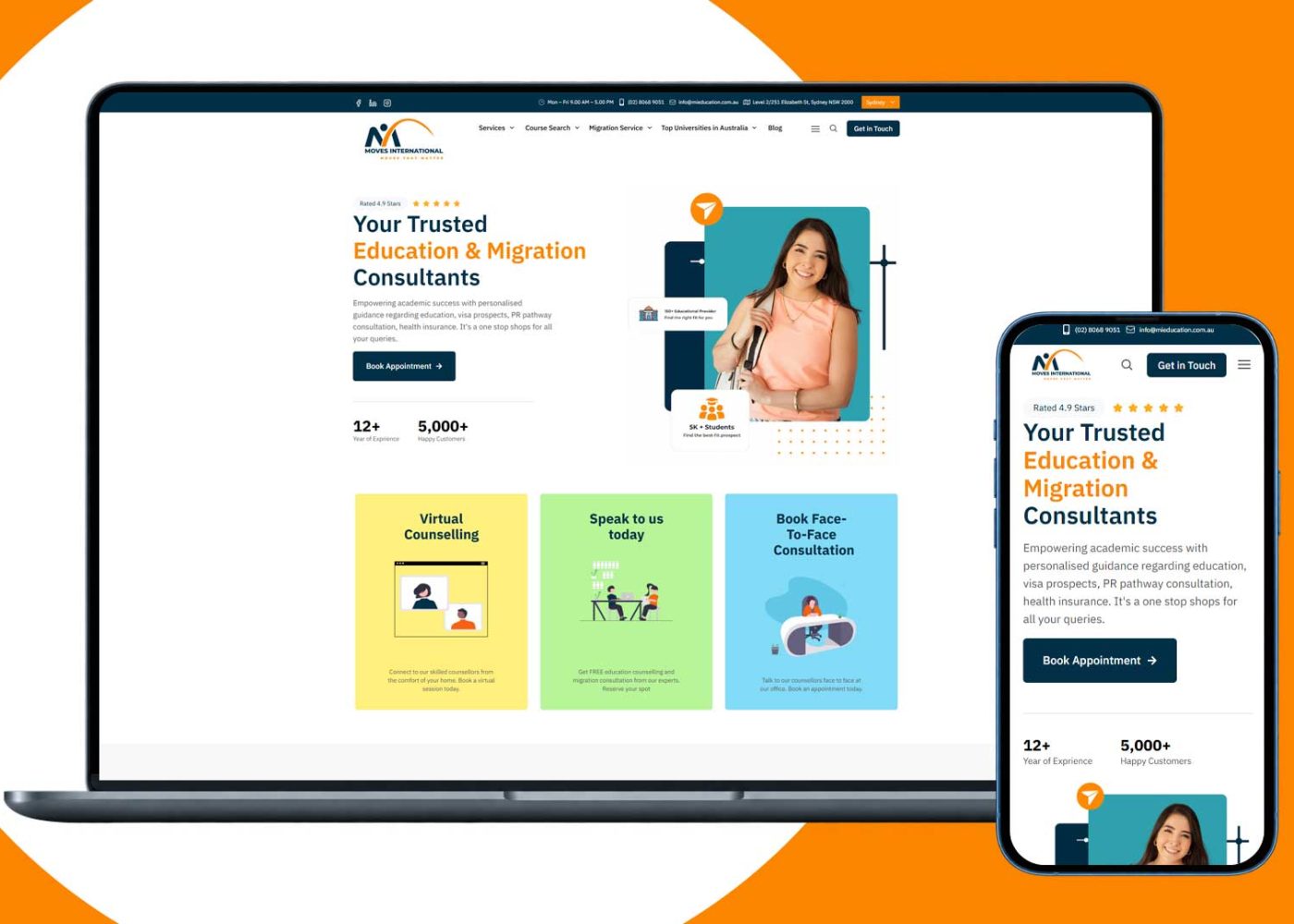
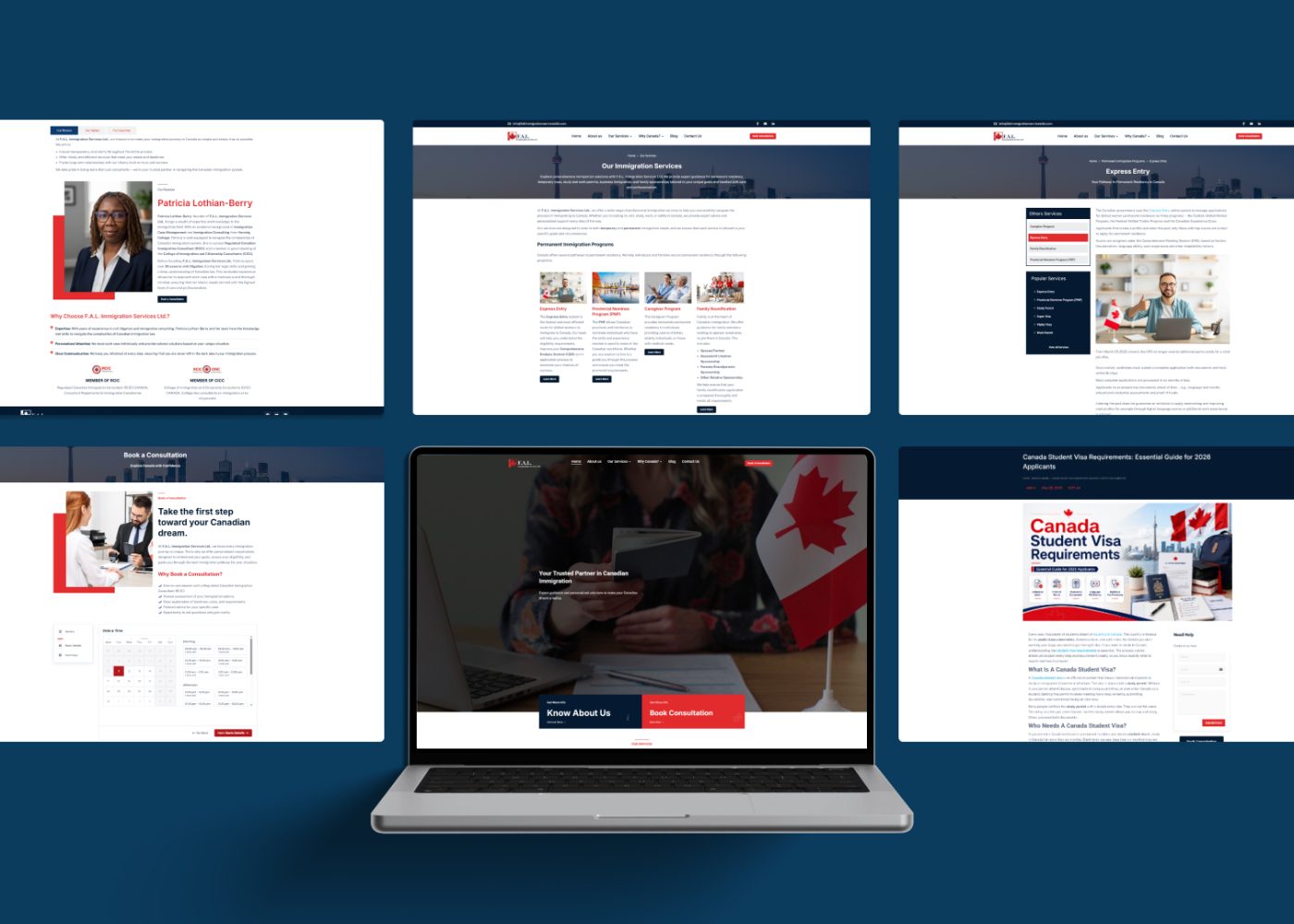
M4YOURS IT’s website design services can support the information structure, responsive layout, and implementation.
Days 22–30: Test the Journey From Enquiry to Response
Run test enquiries through every channel you publish. Confirm that forms reach the right inbox, booking times are correct, and confirmations contain accurate instructions.
Create a shared record of enquiries, even if your initial system is simple. Capture the source, service interest, responsible person, status, and next action.
Request only the information needed at this stage. Move detailed case records into an appropriately protected intake process when required.
By day 30, aim to have: a defined offer, consistent professional profiles, a functioning website, and a tested response process. Resolve delivery failures before expanding promotion.

Days 31–40: Establish Your Search Foundation
Review the terms prospective clients might use to find your priority service. Combine service needs with the locations and languages your practice genuinely supports.
Treat keyword ideas as research hypotheses. Examine relevance and available search evidence before committing to a large publishing plan.
For an eligible firm, complete and maintain an accurate Google Business Profile. Review categories, hours, contact details, photographs, and the website destination.
Google explains that local results mainly reflect relevance, distance, and prominence or popularity. Its guidance recommends complete, accurate business information and makes clear that better local ranking cannot be purchased. Read Google’s local ranking guidance. Google Business Profile Help
Connect relevant articles to your service page, and make important pages accessible through navigation. Avoid creating near-identical location pages simply to increase page count.
Our core SEO services can help identify technical and content priorities.
Days 41–50: Organize Follow-Up and Consultation Booking
Configure a customer relationship management system, or CRM, around the actual enquiry journey.
Start with stages such as new enquiry, staff review, consultation booked, consultation completed, and engagement decision. Assign an owner and next action to each active record.
Agree on a response target that your team can meet. Configure acknowledgements, preparation instructions, and appointment reminders around that process.
Keep promotional messaging separate from operational communication in your planning. The CRTC identifies consent, sender identification, and an unsubscribe mechanism as the three general requirements for commercial electronic messages under CASL. Review the circumstances and applicable exceptions using the CRTC’s CASL guidance. CRTC
Try the capabilities of an existing platform first. Consider custom software development when a documented workflow or integration gap justifies the additional investment.






Days 51–60: Publish a Small, Useful Content Collection
Choose questions that help someone prepare to work with your practice.
A manageable first collection could include a consultation preparation article, an explanation of your service process, and answers to recurring questions.
Review program-specific statements against current official sources. Assign a professional reviewer and record when the information was checked.
Repurpose approved material into short social posts or an educational session. Give each item a relevant destination, such as the service page or booking information.
If repetitive questions are creating measurable workload, consider a limited FAQ assistant. Keep its answers within approved material and define when a person takes over. M4YOURS IT’s chatbots and conversational AI services can support that implementation.
By day 60, aim to have: a search foundation, useful published content, and an enquiry process with visible ownership and follow-up.

Days 61–90: Test One Channel and Decide What to Scale
The third month is an opportunity to test a specific growth hypothesis. Choose a channel your team has the time and resources to evaluate.
Days 61–75: Run a Controlled Acquisition Experiment
Possible experiments include a focused search campaign, an educational webinar, or outreach through a relevant professional association.
For each experiment, document:
- Audience: Who the activity is intended to reach.
- Offer: The consultation or educational service being promoted.
- Destination: Where interested people can learn more or enquire.
- Limit: The budget, staff time, and review date.
- Evidence: The enquiry and booking outcomes you will record.
A paid campaign should direct people to a page matching the advertised service. A webinar should explain its educational scope and provide a clear route for appropriate follow-up.
Record campaign activity alongside people’s reported discovery sources. A dedicated landing page and a “How did you hear about us?” field can supplement website analytics, while still having attribution limits.
Avoid making several major changes at once. If results disappoint, inspect the audience, message, destination page, and response process before choosing the next change.
Days 76–90: Review the Whole Enquiry Cohort
Follow the people generated by the experiment through to their current status. Some may still be considering their options at day 90.
Consider this hypothetical illustration, not a performance benchmark:
| Measure | Example result |
|---|---|
| Attributed campaign spend | C$1,800 |
| Unique enquiries | 48 |
| Consultations booked | 12 |
| Consultations completed | 9 |
| New retained clients | 3 |
| Spend per completed consultation | C$200 |
| Campaign spend per retained client | C$600 |
The C$600 figure covers the stated campaign spend. A fuller client-acquisition calculation should include relevant staff time, software, and agency costs.
Compare costs with the expected contribution from the service after delivery expenses. Record the time between enquiry and engagement so that unfinished decisions remain visible.
When evidence is limited, extend a tightly controlled test or revise the hypothesis. A small number of enquiries can reveal problems, but it provides a weak basis for confident forecasts.
By day 90, aim to know: which activity generated suitable enquiries, where people encountered friction, and which improvement deserves the next investment.
Your 90-Day Implementation Schedule
Use this schedule as a starting point, adjusting the workload to your practice.
| Period | Main action | Concrete output |
|---|---|---|
| Days 1–7 | Choose the service, audience, and capacity | A written service brief |
| Days 8–14 | Align professional identity and messaging | Consistent profiles and approved wording |
| Days 15–21 | Publish essential website pages | A focused public website |
| Days 22–30 | Test enquiry handling and booking | A working journey with clear ownership |
| Days 31–40 | Review search visibility and local information | A prioritized SEO action list |
| Days 41–50 | Configure enquiry stages and follow-up | A usable CRM workflow |
| Days 51–60 | Publish and distribute useful content | A small reviewed content collection |
| Days 61–75 | Run one acquisition experiment | Recorded activity, costs, and enquiries |
| Days 76–90 | Review outcomes and choose the next priority | A documented decision for the next quarter |
Hold a short weekly meeting to review unfinished tasks, missed enquiries, upcoming appointments, and client feedback. Assign each action to a person and a date.
What Should Your Firm Invest in Next?
Use the day-90 review to identify the constraint currently limiting progress.
| What the evidence shows | Recommended next step |
|---|---|
| Prospects misunderstand the service | Improve positioning and service descriptions |
| Relevant visitors rarely enquire | Review page clarity, trust information, and booking friction |
| Enquiries wait too long for a response | Improve ownership, staffing, and reminders |
| Many booked consultations are missed | Review preparation, scheduling, and reminder delivery |
| Content is useful but visibility is limited | Continue focused search and distribution work |
| Suitable enquiries convert and capacity remains | Consider expanding the tested channel carefully |
Keep software spending tied to a defined need. Your first quarter should help you understand the workflow well enough to judge future tools.
Your next project
Let’s make your brand recognizable.
Have a business in mind? Tell us about your ideas, your audience, and the identity you want to create.
Prefer a direct conversation?
FAQ
Begin by testing the service page, booking process, and enquiry response. Once those work reliably, a limited campaign can provide useful evidence. Advertising becomes harder to assess when basic journey failures remain unresolved.
Use accurate professional profiles, clear service explanations, and transparent consultation information. Request genuine feedback as client relationships develop. Obtain the required written approval before using a client endorsement in marketing.
Start with the number your team can explain, deliver, and measure consistently. One priority service is a practical initial scope for a solo practice. Add others when capacity and evidence support the decision.
An existing platform may handle ownership, tasks, bookings, and source records adequately. Document any remaining gap before commissioning custom work. The workflow should guide the technology decision.
Check delivery, targeting, page relevance, and response records. Consider whether the test reached enough suitable people to evaluate the idea. Adjust the experiment within an affordable limit and allow for the actual enquiry-to-engagement timeline.
Your first 90 days should leave the firm with a clear offer, a dependable client journey, and evidence for the next decision.
Choose the priority service this week. Assign ownership for the website, enquiry process, and measurement. Complete the foundation before increasing promotional activity, then review what happens with suitable prospects.
M4YOURS IT’s digital services for RCICs and immigration firms connect branding, websites, search visibility, consultation intake, CRM, and automation around your working process.
Discuss your RCIC firm’s first 90-day growth plan with M4YOURS IT. Share your launch stage, priority services, current tools, and available capacity so the plan begins with a practical scope.