Share

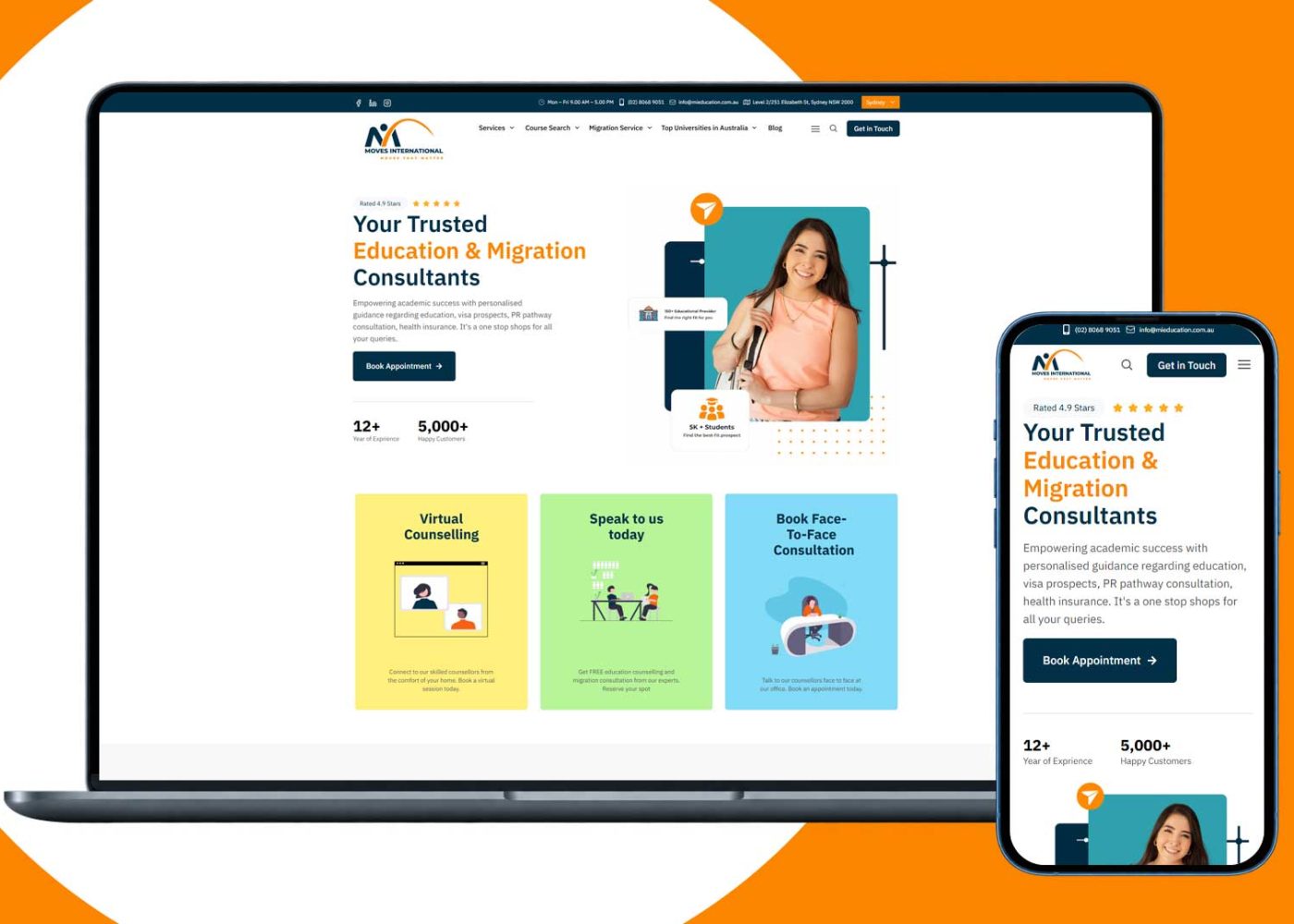
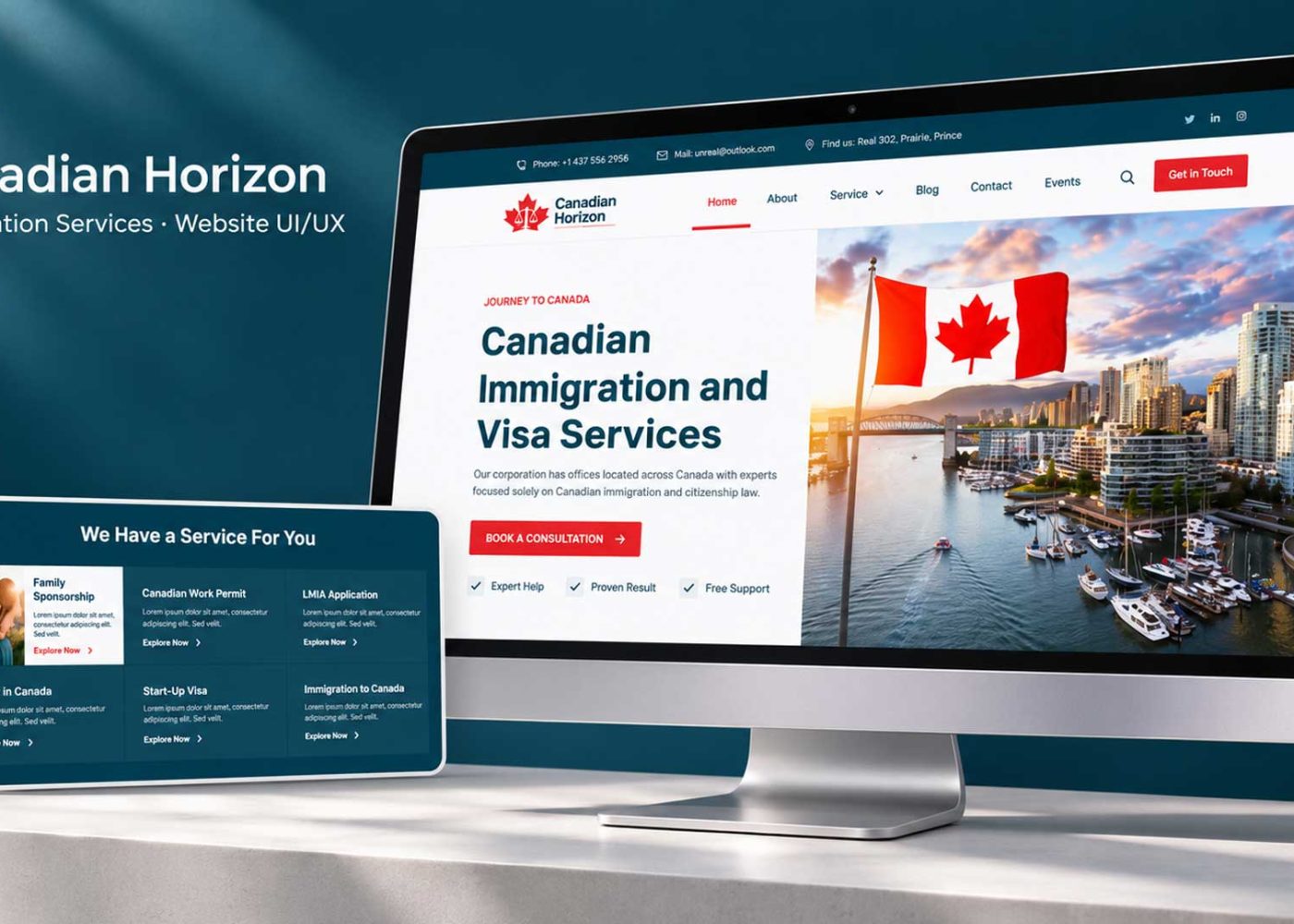
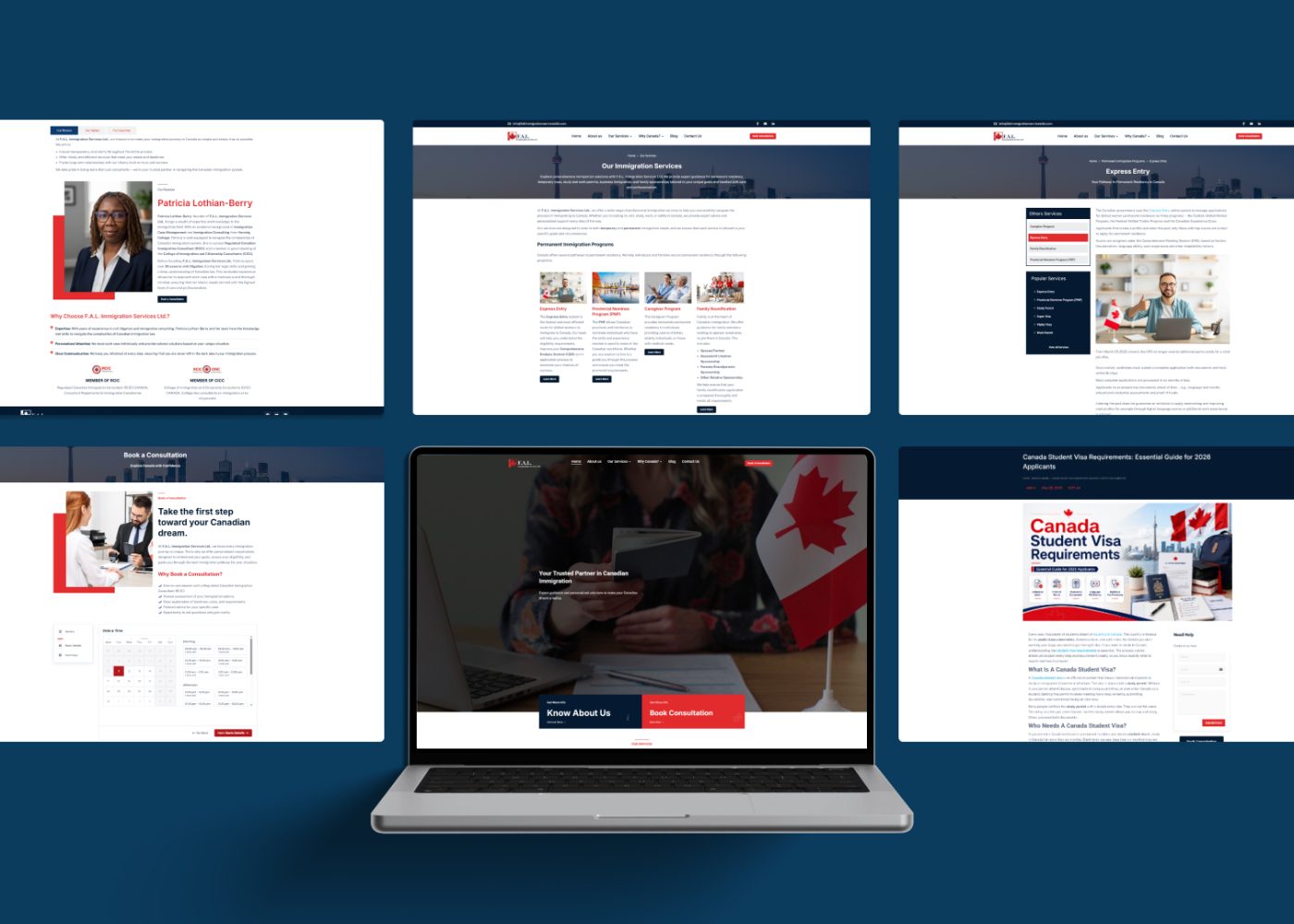
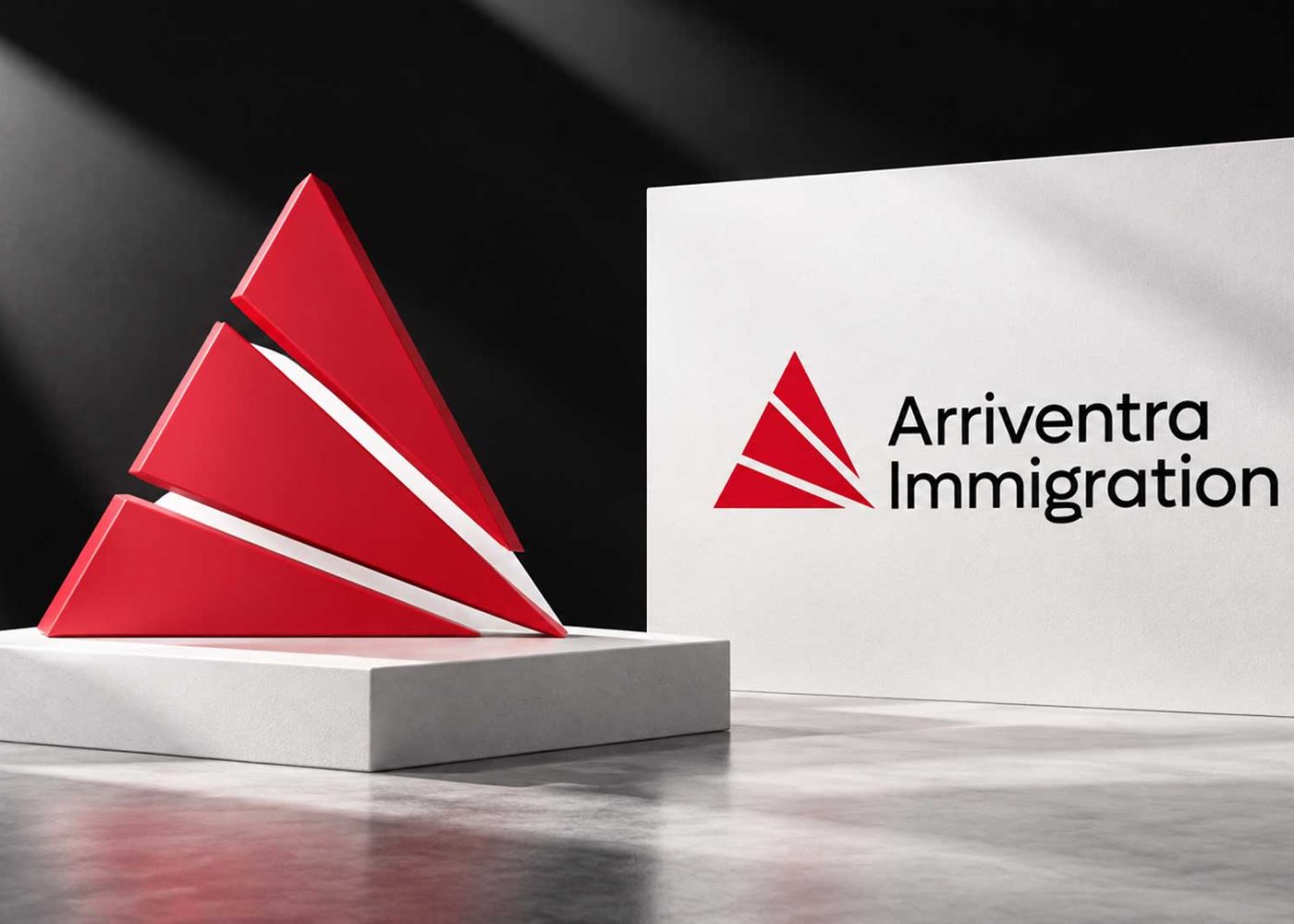















An immigration consultancy should consider rebranding when its current identity no longer represents its services, audience, or operating model, or when the name and presentation cause repeated confusion. The scope should follow the problem: unclear copy may need rewriting, inconsistent visuals may need a refresh, and a significant change in direction may justify a broader rebrand.
Start by documenting what clients misunderstand and what has changed in the business.
A founder becoming tired of the logo is a weak basis for replacing an identity people already recognize. A practice expanding into a different service model has a clearer reason to review its positioning.
Effective immigration consultancy rebranding connects a business need with an accurate message, a usable identity, and a manageable transition.
Define the work before commissioning designs.
A focused fix improves a specific task or message. A refresh updates the presentation while preserving the established identity. Repositioning changes how you explain the firm’s audience and value. A broader rebrand may combine strategy, messaging, identity, and, where justified, naming changes.
| What needs to change | Appropriate starting point | Typical work |
|---|---|---|
| Visitors misunderstand a service or struggle to book | Focused content or website fix | Clearer service copy, navigation, forms, and instructions |
| The positioning still fits, but materials are inconsistent or difficult to use | Visual refresh | Logo versions, typography, colors, and templates |
| The practice serves a different audience or emphasizes different services | Repositioning | Audience focus, service priorities, and messaging |
| The identity cannot accurately support a significant business change | Broader rebrand | Strategy, messaging, visual identity, and a coordinated rollout |
A rebrand does not always require a new name. Keep useful recognition where it supports the practice’s direction.
M4YOURS IT’s branding services can help define the appropriate scope before design production begins.
Look for recurring evidence that the current presentation is creating a problem.
A consultancy whose identity strongly emphasizes student services may need to explain a broader practice as its actual services expand.
Review what a prospective client would infer from the name, homepage, imagery, and service menu.
If those elements consistently suggest a narrower service than you provide, begin with positioning and content. Assess whether the existing name and identity can support the revised explanation.
Adding a service alone does not establish the need for a complete rebrand.
If clients expect every consultation to be conducted by the founder, review how your website introduces the team and explains booking.
The first improvement may be clearer consultant profiles and appointment information.
A wider identity change becomes relevant when the established presentation cannot communicate the practice’s current structure adequately.
Our guide to personal branding for independent RCICs explains how an individual professional’s visibility can support the wider practice.
Record actual examples: misdirected enquiries, mistaken references, or difficulty distinguishing your practice from another organization.
Investigate the source of confusion. It may involve a similar name, unclear search listings, inconsistent business descriptions, or copied visual conventions.
Where a naming conflict is involved, establish what needs to change before investing in replacement assets.
When practices combine or partners establish a shared service, clients need an accurate explanation of the organization and the professionals involved.
Review the audience, service model, responsibilities, and relationship between the existing identities.
Brand decisions should follow the agreed business arrangement. Client communication should explain the changes that affect the relationship or service.
A logo that becomes unreadable on mobile, inconsistent documents, or templates that cannot accommodate required information deserve attention.
Test the actual applications before replacing the whole identity.
A revised logo version or better template system may resolve the problem while preserving familiar elements.
Investigate the causes of disappointing marketing results before choosing a rebrand.
A low volume of enquiries can involve search visibility, targeting, service demand, unclear offers, or difficult forms. Examine those areas directly.
Slow responses and missed follow-ups require attention to ownership and workflow. A new visual identity will still be supported by the same team and processes.
If feedback identifies recurring service frustrations, address the underlying experience and communicate the improvements accurately.
Changes to immigration programs may require updated service information and campaign messaging. Assess their effect on your actual practice before changing its identity.
Treat competitor activity as a reason to review your position thoughtfully. Your decision should rest on your audience, services, and evidence of a problem.
Gather a representative set of materials:
Review what they communicate about the audience, services, professional responsibility, and next step.
Compare that presentation with your current operation.
| Audit question | Evidence to review |
|---|---|
| Do people understand the services? | Recurring enquiry questions and mistaken assumptions |
| Can clients identify the professional involved? | Profiles, advertisements, and booking confirmations |
| Is the practice recognizable across channels? | Names, logos, colors, and document templates |
| Does the message match delivery? | Consultation scope, staff roles, and communication standards |
| Which existing assets remain useful? | Client recognition, referral language, and functional materials |
Ask a few people from your intended audience to explain the firm after reviewing its website. Treat their responses as qualitative feedback.
Summarize the findings in a brand strategy and positioning brief. State the problem, intended audience, proposed scope, and expected improvement.
Identify the elements people already associate with your consultancy.
These might include the firm name, a recognizable logo shape, the founder’s professional profile, a useful service explanation, or familiar contact channels.
Keep assets that still fit the direction and work well.
Preserve accurate, useful website content and make important information easy to find through the transition. Review which pages currently receive enquiries or appear in referrals.
If the name changes, give existing clients and referral partners a clear way to connect the previous identity with the new one.
Explain changes to the team, services, contact details, or business arrangement where relevant. The transition should accurately reflect what is continuing and what is changing.
Create an inventory of the materials that need updating, with an owner and review responsibility for each.
| Area | Items to review |
|---|---|
| Public presence | Website, social profiles, listings, signage, and advertisements |
| Enquiry and booking | Forms, calendars, confirmation messages, and reminders |
| Client communication | Email signatures, preparation instructions, and contact details |
| Documents | Proposals, agreements, invoices, presentations, and brochures |
| Team resources | Approved descriptions, templates, asset files, and usage guidance |
Prepare staff before the public launch. They should be able to explain the reason for the change and answer practical questions.
Review a complete client interaction using the new materials, from discovery through booking and confirmation.
Coordinate the assets people use most frequently so that the transition is understandable. Assign someone to handle outdated materials discovered after launch.
A set of creative assets and communication templates helps the team apply the new identity consistently.
A visual refresh can often retain the existing website addresses. Decide whether a domain or page-address change is necessary before adding migration work.
If addresses change, prepare a technical migration plan.
Google’s guidance on website moves recommends mapping old URLs to their replacements, using permanent server-side redirects, updating internal links, and monitoring the move. It also recommends separating major changes, such as a domain move and a new website layout, where practical. developers.google.com
Have the website team test important service links, forms, bookings, and contact routes before launch.
Google notes that rankings may fluctuate while it processes a move. Include monitoring and follow-up in the project scope rather than promising an uninterrupted search position. developers.google.com
A planned website design and migration project should account for existing content, client tasks, and the transition between addresses.
If a new name is proposed, complete appropriate naming and conflict checks before producing the full identity.
CIPO’s explanation of trade names, trademarks, and domain names describes their different purposes. Domain registration does not itself create an intellectual property right. Treat these as distinct parts of the naming work. ised-isde.canada.ca
For RCIC advertising, build new templates around section 44 of the Code of Professional Conduct. It requires the licensee’s registered name prominently at or near the beginning of advertisements, in the advertisement’s language, and the public register’s internet address in written advertisements. It also prohibits misleading claims, success guarantees, and implications of a government relationship. laws-lois.justice.gc.ca
Review the business and professional records affected by any name, ownership, or contact change. Confirm the applicable update requirements with the relevant bodies before launch.
Keep consultant identities and actual roles clear throughout the transition.
Set the date after defining the scope and dependencies.
For a refresh, readiness may mean approved assets, updated templates, and staff guidance. A name or domain change introduces additional preparation.
Confirm that:
Choose a period when the team can support the transition. A full appointment schedule or a major operational change may affect the timing.
Record a baseline before implementation.
Choose measures related to the reason for the project:
| Original problem | Useful follow-up measure |
|---|---|
| Enquiries misunderstand the service focus | Frequency of the same misunderstanding after the update |
| Clients expect only the founder to provide consultations | Clarity about the assigned professional |
| Materials are inconsistent | Use of approved assets across priority channels |
| Booking information is unclear | Completion difficulties and recurring preparation questions |
| Website addresses changed | Working redirects, indexing, traffic, and successful client tasks |
Review the results alongside changes in services, campaigns, and demand.
A short-term traffic movement alone cannot establish whether the new brand is helping. Combine website information with enquiry quality, client understanding, and staff feedback.
Use the findings to refine the implementation.
Your next project
Have a business in mind? Tell us about your ideas, your audience, and the identity you want to create.
Prefer a direct conversation?
Base the decision on changes in the business and evidence of a communication problem. The age of an identity alone does not establish the need. Review its accuracy and usability regularly, then choose an appropriate scope.
A rebrand can change positioning, messaging, and visual identity while retaining the name. A name change should address a clear strategic or practical need and include the necessary checks and transition work.
Keep it if it remains recognizable, usable, and appropriate for the practice. You may need revised versions, clearer typography, or better templates. Test the logo in everyday applications before deciding.
Results depend on the problem being addressed and the implementation. Clearer positioning and a better enquiry experience may help people understand the offer. Visibility, service demand, response handling, and delivery also affect outcomes.
Explain the change, when it takes effect, and what it means for their contact routes and service relationship. Provide accurate professional details and clear instructions for any action they need to take.
Choose a rebrand when the practice needs a meaningful change in how it is understood and represented. Use focused improvements when they can address the identified problem effectively.
M4YOURS IT helps immigration practices assess their positioning, identity, website, and client communication before defining the work. Explore our services for immigration firms or contact M4YOURS IT to discuss the right scope for your consultancy.
Adding {{itemName}} to cart
Added {{itemName}} to cart