

Build your immigration SEO strategy around the services your firm is equipped to deliver. Choose your priority services, understand what prospective clients search for, and give each distinct service a useful page with a clear consultation pathway.
Then add supporting articles, strengthen relevant internal links, and measure whether organic visitors become suitable enquiries. This gives your content plan a business purpose and helps your team decide where to spend its time.
For example, a firm focused on family sponsorship and work permits should make those services easy to understand and find before building a large library about unrelated immigration pathways.
For RCIC practices, search visibility also depends on communicating professional identity and service scope clearly. Your immigration firm website and marketing should help someone understand who you serve, how you can help, and what happens next.
Start With a Service Inventory and Clear Priorities
Before researching keywords, list the services your firm currently offers. Ask the responsible RCIC to confirm the scope and identify any work the practice does not accept.
For each service, record the target client, available team capacity, common enquiry questions, existing website page, and commercial importance. Review anonymized enquiry patterns without copying private case information into marketing tools.
Use this simple decision framework:
| Situation | Recommended action |
|---|---|
| Strong expertise, available capacity, and suitable enquiries | Prioritize the service page and supporting content. |
| Relevant enquiries, but an unclear or outdated page | Improve the existing page before expanding the topic. |
| A service the firm does not currently deliver | Remove misleading promotion and clarify the actual scope. |
| An emerging service with limited evidence of demand | Validate interest before committing a large content budget. |
Start with a manageable group of services your team can maintain. Two or three priorities can provide a practical first phase, although the right number depends on the practice.
A focused marketing strategy consultation can connect these choices with consultation capacity, positioning, and business goals.

Map Search Intent to the Right Service Page
Search intent means what someone wants to accomplish through a search. A person researching a document question has different needs from someone choosing a consultant.
The examples below are illustrative query ideas, not verified search volumes or ranking opportunities. Validate them against your firm’s Search Console data, client questions, and the actual search results.
| Illustrative search | Likely need | Suitable page | Helpful next step |
|---|---|---|---|
| Family sponsorship consultant | Compare professional help | Family sponsorship service page | Read the service scope and consultation details. |
| Work permit consultation | Speak with a professional | Work permit service page | Review the consultation purpose and book. |
| What to prepare for an immigration consultation | Understand preparation | Practical preparation guide | Follow the firm’s approved preparation instructions. |
| Immigration consultant in a city the firm genuinely serves | Find relevant local help | Useful, truthful location page, where warranted | Check location, availability, and contact options. |
| A question about an immigration requirement | Understand current official information | RCIC-reviewed explanatory guide | Read the official source and seek individual advice if needed. |





Keep closely related searches together when one page can answer them well. Separate services when the audience, scope, or consultation decision meaningfully differs.
Give each planned page a defined job. Record its main topic, intended audience, related service, content owner, and next action in your content calendar.

Build Service Pages That Support a Consultation Decision
A service page should explain what engaging your firm involves. Repeating a program name across several headings will not answer a prospective client’s practical concerns.
For each priority service, include:
- Who the service is for: Describe the situations your team handles without promising that a reader qualifies.
- What help includes: Explain the actual scope and any relevant exclusions.
- Who provides advice: Identify the responsible consultant and provide a clear verification route.
- How the process works: Outline the steps from enquiry to consultation and, where applicable, engagement.
- What the consultation covers: Explain its purpose, format, duration, and fee where applicable.
- How to prepare: Give proportionate instructions without requesting sensitive documents through an unsecured form.
- What to do next: Provide a clear booking or enquiry option.
Use questions from real consultations to improve these sections. An enquiry such as “Can you help with my situation?” may reveal that the page needs a clearer description of service scope.
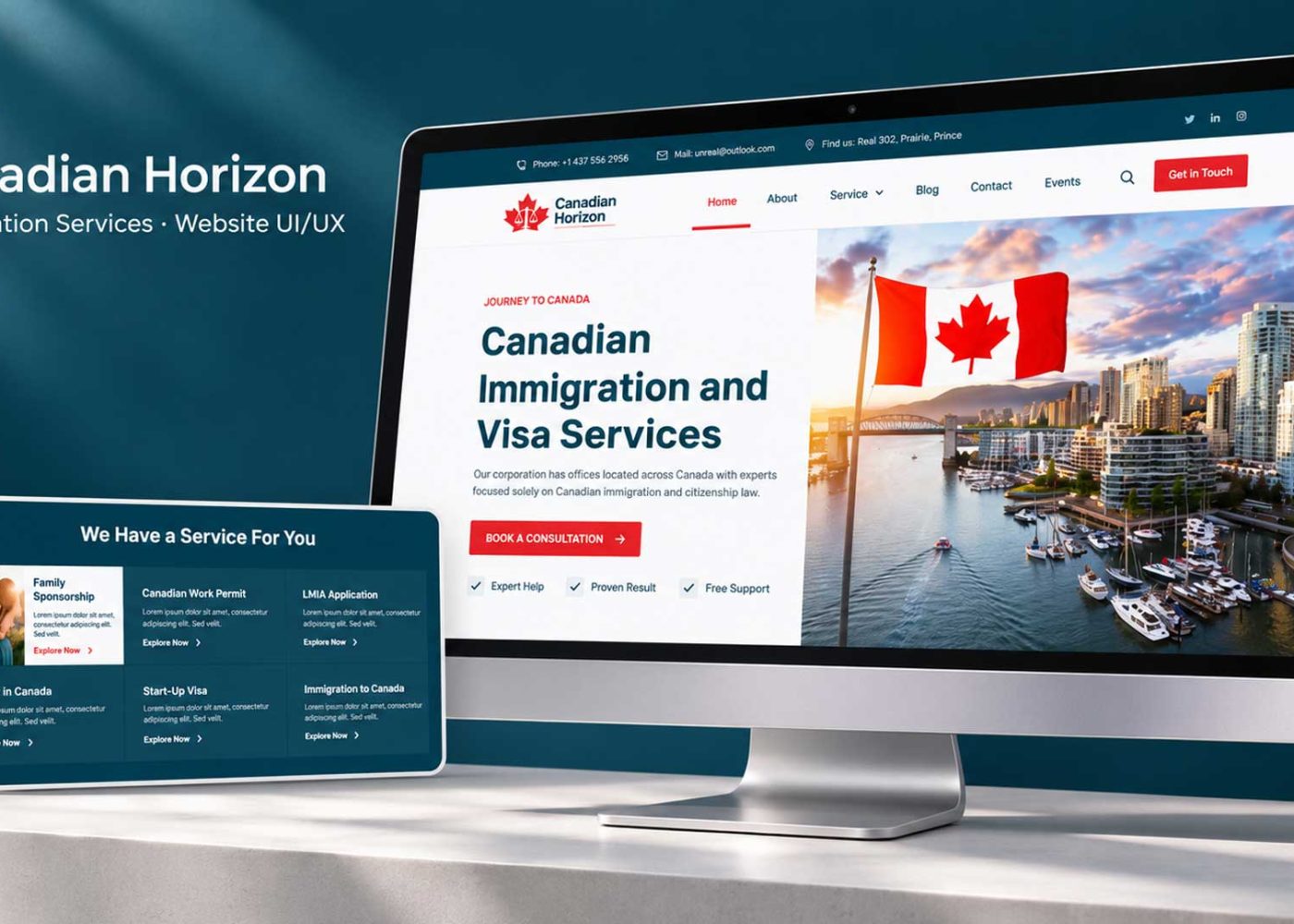
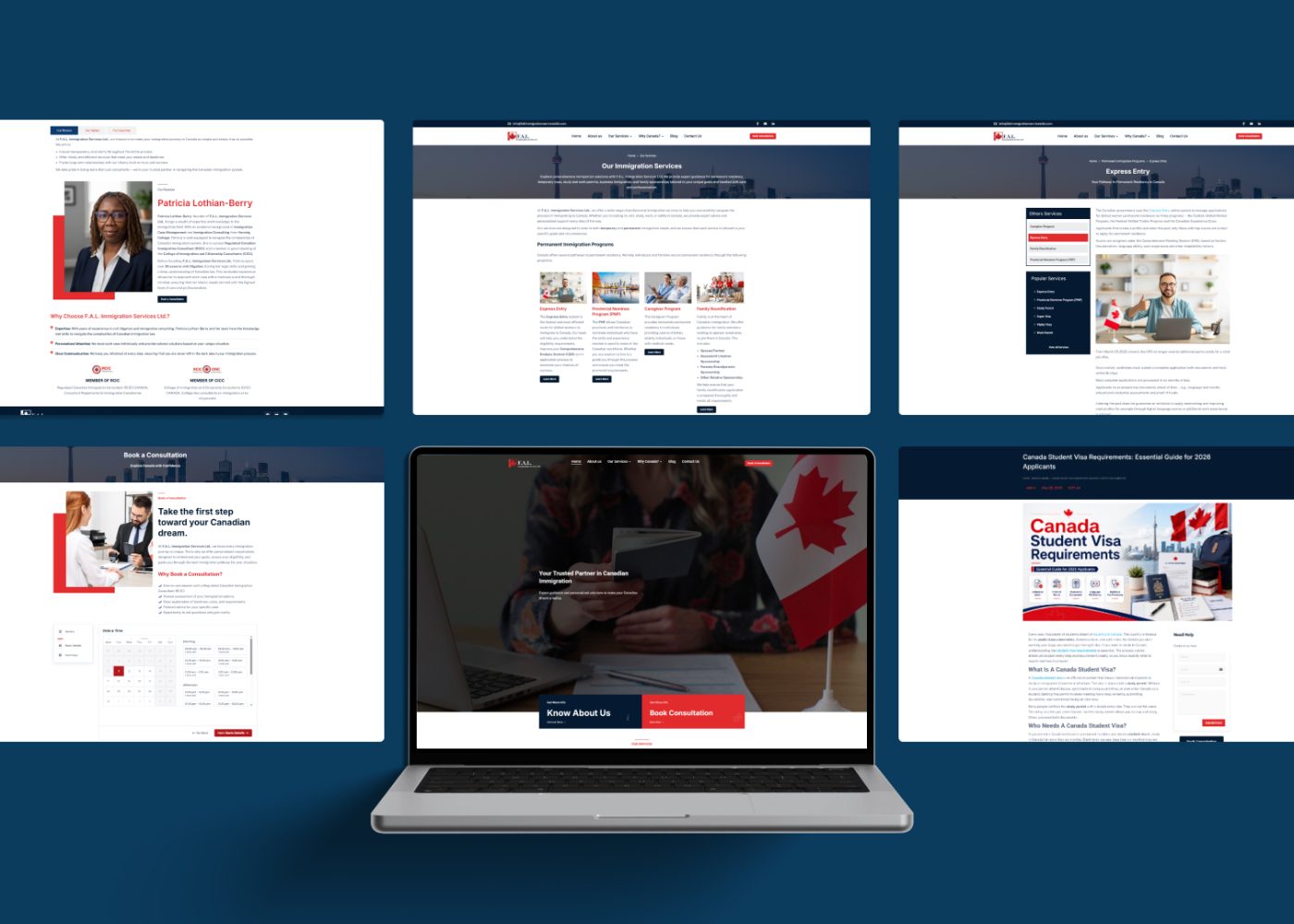
Your website design should make the information readable on mobile and keep booking details easy to find. Test the actual confirmation process after someone submits a form or schedules an appointment.
Connect Service Pages With Useful Supporting Content
Organize the site so visitors can move from an overview to a relevant service and then to detailed answers.
A services overview can link to individual service pages. Each service page can link to useful preparation guides, relevant FAQs, and the consultant’s profile. Supporting articles should link back to the service when that connection helps the reader.
Use descriptive link text such as “family sponsorship consultation” when it accurately describes the destination.
Avoid adding an unrelated service link to every paragraph. A practical guide should remain useful even when the reader is not ready to book.
If two existing pages cover almost the same need, review their purpose and performance before creating another. Assign a clear role to each page, then revise overlapping content where appropriate.
Make Professional Review Part of Your SEO Workflow
Immigration content needs a responsible reviewer. Assign an RCIC to check program explanations, service descriptions, professional claims, and material updates before publication.
Show an accurate author or reviewer identity, relevant experience, official sources, and a genuine review date. Google encourages useful content with clear information about who created it and the expertise involved. Changing a date alone does not make an article meaningfully updated. developers.google.com
Set review triggers for official announcements, changes to the firm’s services, and recurring client confusion. Keep a simple record of what changed and who approved it.
The Code of Professional Conduct for College licensees also matters when writing promotional copy. Its marketing provisions address identification and public-register information, misleading advertising, outcome guarantees, and implied government connections. Have the responsible RCIC review how these requirements apply to the firm’s pages.






Check the Technical Basics Before Expanding Content
Use Google’s SEO Starter Guide as a baseline. Google discovers many pages through links, and a sitemap can help discovery. Neither a sitemap nor an SEO checklist guarantees indexing or rankings. developers.google.com
Check that important service pages:
- Have working links from relevant parts of the website.
- Are not accidentally blocked from crawling or marked to stay out of search.
- Have clear, descriptive titles and headings.
- Work properly on mobile devices.
- Have functioning enquiry and booking routes.
Review indexing information in Search Console and investigate important pages that are missing from search.
Give your developer a specific issue list. “The work permit page is marked noindex” is actionable. “Our SEO is bad” is difficult to investigate.
Fix issues affecting priority pages before commissioning a large batch of new articles.
Build Local Visibility Around Real Business Operations
Local search can help eligible firms reach people looking for nearby assistance. Google’s local ranking guidance explains that results depend mainly on relevance, distance, and how well known the business is. Google Business Profile Help
For an eligible Google Business Profile, keep business details, categories, hours, and contact information accurate. Make sure the website describes the same operation.
Eligibility matters: online-only businesses are not eligible for a Business Profile. A virtual mailing address does not establish a qualifying office, and shared offices must meet Google’s applicable requirements. Offering video consultations alone does not create eligibility. Google Business Profile Help
National service availability does not mean your firm has an office in every city.
Create a location page when you can provide distinct, truthful information that helps people in that location. Avoid mass-producing pages that simply replace one city name with another. Google’s spam policies address doorway pages and scaled content created primarily to manipulate rankings. developers.google.com

Measure Search Visibility and Consultation Quality
Use Search Console to review impressions, clicks, click-through rate, and average position by page and query. These are search-performance indicators; they do not tell you whether a visitor became a suitable client. Search Console Help
Connect service-page reporting with your enquiry and consultation process:
| Measurement | What it helps you understand |
|---|---|
| Search impressions and clicks for a service page | Whether the page is appearing and attracting visits. |
| Completed enquiries from organic landing pages | Whether visitors take a meaningful next step. |
| Confirmed consultation bookings | Whether enquiries move into scheduled appointments. |
| Attended consultations that match the firm’s scope | Whether the page attracts relevant prospects. |
| Signed retainers, where attribution is available | How search contributes to business development. |
Define “suitable” with your team before reporting it. For example, an enquiry may concern a service the firm offers and request an assessment, without implying the person meets immigration eligibility requirements.
A booking-button click is different from a confirmed appointment. Test your tracking and distinguish completed actions.
Use approved CRM and marketing automation to record enquiry source, requested service, stage, and follow-up. Keep sensitive case details out of analytics events and page URLs.
Review Search Console queries in aggregate. Do not assume you can identify which individual search produced a particular signed client.
Put the Strategy Into a 90-Day Implementation Plan
Use the first 90 days to build and assess the system. This is a delivery schedule, not a promise of ranking gains within three months.
| Period | Main work | Reviewable result |
|---|---|---|
| Days 1–30 | Inventory services, review existing enquiries, map page purposes, establish reporting, and identify technical issues. | Approved priorities, page map, and baseline report. |
| Days 31–60 | Improve priority service pages, resolve important technical issues, and publish relevant supporting answers. | Reviewed pages with working links and consultation routes. |
| Days 61–90 | Examine search queries, page performance, enquiry suitability, and booking friction. | A documented list of improvements and next content priorities. |
Choose the next action from the evidence. Impressions without relevant clicks may justify reviewing search intent and page presentation. Visits without enquiries may reveal unclear services or booking friction. Unsuitable enquiries may require clearer scope.
Your next project
Let’s make your brand recognizable.
Have a business in mind? Tell us about your ideas, your audience, and the identity you want to create.
Prefer a direct conversation?
FAQ
Start by making priority service pages clear and useful. Add blog posts that answer related questions and help readers understand the service or prepare for a consultation. Existing page quality should guide the order.
Begin with actual services, client questions, and available search data. Examine what the results show for each query. Prioritize searches that match your audience and service scope, then group closely related phrases around a suitable page.
Create a separate page when it serves a distinct audience or service need and your firm can maintain it. Avoid creating pages for programs you do not handle simply to expand the keyword list.
There is no dependable universal timeline. Competition, existing visibility, site condition, content quality, and implementation affect progress. Set review milestones and measure changes over time without promising a particular ranking or number of consultations.
It can address clients in multiple locations where the firm actually offers services. Describe that availability accurately. Create city pages only where they provide meaningful local information and do not suggest offices that do not exist.
Google’s eligibility rules exclude online-only businesses. A firm must meet the applicable in-person service requirements. An online-only practice can still develop its website’s organic search presence without claiming an eligible physical office.
The responsible RCIC should review immigration information, professional claims, and service descriptions. Marketing staff can manage research, structure, editing, and reporting, while maintaining a clear approval process for substantive immigration content.
AI can help organize approved material and prepare drafts. Require human review, verify factual claims against current official sources, and protect client information. Avoid producing large volumes of repetitive pages primarily to manipulate rankings.
Use the length needed to explain the service and support a consultation decision. Google does not specify a preferred word count. Remove repetition and fill information gaps instead of writing toward an arbitrary minimum.
Review priority service-page visibility, relevant search queries, organic enquiries, confirmed bookings, and consultation suitability. Include signed retainers where reliable attribution exists, and document tracking limitations so reports support sound decisions.
Build a Search Strategy Your Firm Can Maintain
Choose a few priority services, improve the pages that explain them, and assign clear responsibility for review and measurement. Expand your content plan as evidence shows what prospective clients need.
M4YOURS IT can help connect digital marketing, service-page planning, website improvements, and consultation tracking into a practical implementation plan.
Contact M4YOURS IT to discuss an immigration SEO strategy built around your firm’s services and growth priorities.