Share
















Start with Google Search Ads when people already search for your specific service, the offer is eligible to advertise, and your website can turn that interest into a clear consultation enquiry. Start with Meta Ads when your offer benefits from explanation, you can produce useful creative, and your team can follow up consistently.
If the offer, booking process, or enquiry handling is unclear, improve those foundations before increasing advertising spend.
The right starting point depends on the service, audience, available demand, platform requirements, and delivery capacity.
This comparison focuses on Google Search campaigns and Meta advertising across Facebook and Instagram. Other Google campaign types have different roles and should be evaluated separately.
Google describes Search campaigns as a way to reach people actively searching for products or services. Google Ads Help
For an immigration consultancy, that creates an opportunity to connect a relevant search with an accurate service explanation and consultation route.
Meta’s lead-generation guide describes a discovery-oriented environment and response routes involving forms, messaging, and calls. Check which options are currently available and appropriate for your account and market. about.fb.com
That makes the message and creative important when introducing the firm to someone encountering it while browsing.
| Consideration | Google Search Ads | Meta Ads |
|---|---|---|
| Starting opportunity | A person searches for something relevant | A person encounters the service through an ad |
| Main planning task | Match search intent with the actual offer | Make the service and next step understandable |
| Key assets | Relevant ad copy and a useful service page | Clear visuals or video and a suitable response route |
| Enquiry review | Check what people searched for and requested | Check what people understood and intended |
| Business outcome | Suitable consultations and service engagements | Suitable consultations and service engagements |
Treat these as different starting conditions. Assess the results through the same clearly defined business outcomes.
Prioritize a Search test when you have evidence that people look for the service you provide.
For example, a firm offering family sponsorship consultations could investigate relevant searches and the intent behind them.
Before launching, establish:
Review whether the searches relate to paid professional help, general information, government forms, or a different service.
Use that understanding to shape the campaign and page. Review actual enquiries as the test develops.
The page should explain who provides the service, what the consultation covers, the fee, and what happens next.
If the ad introduces a specific service, the destination should continue that topic.
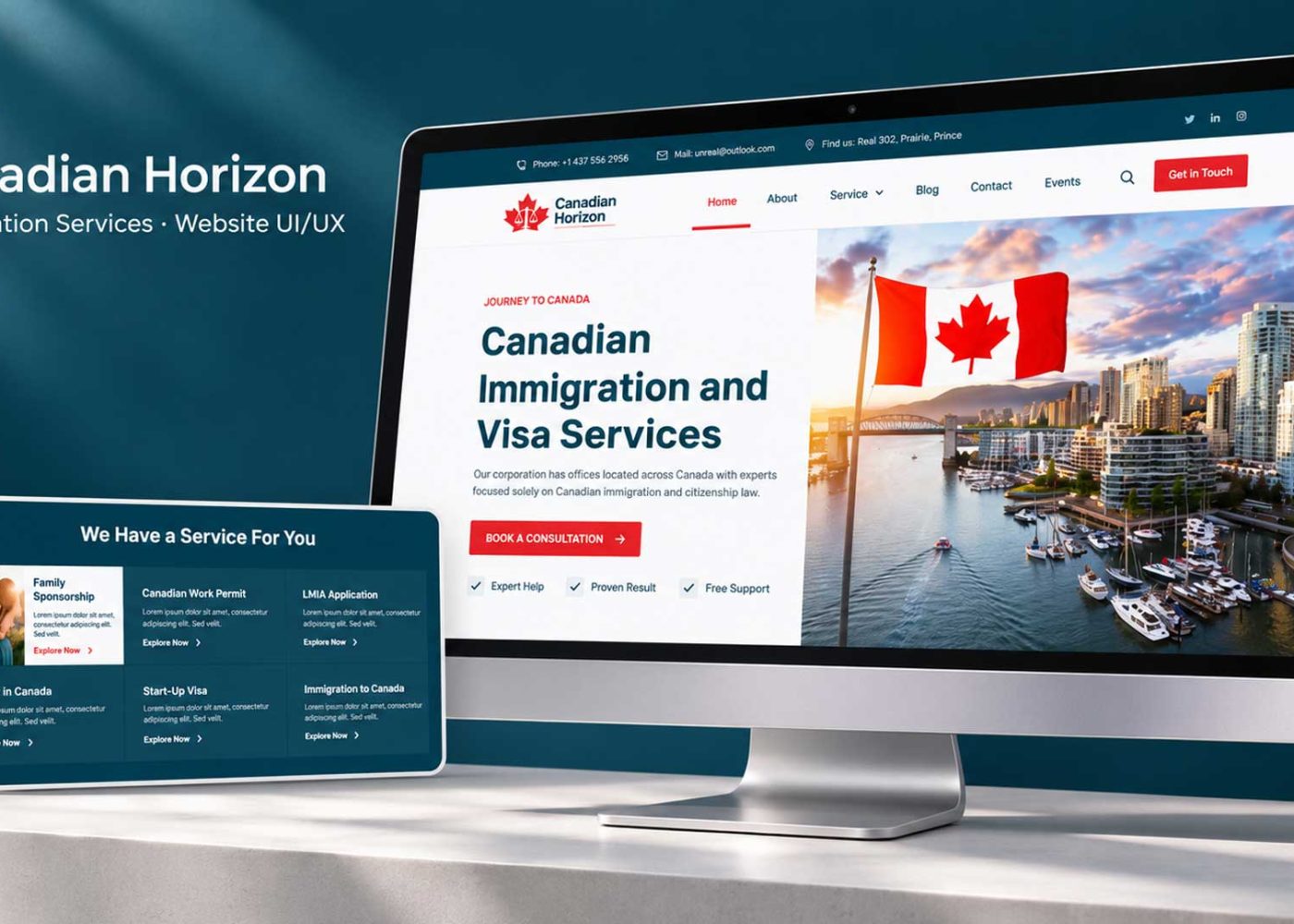
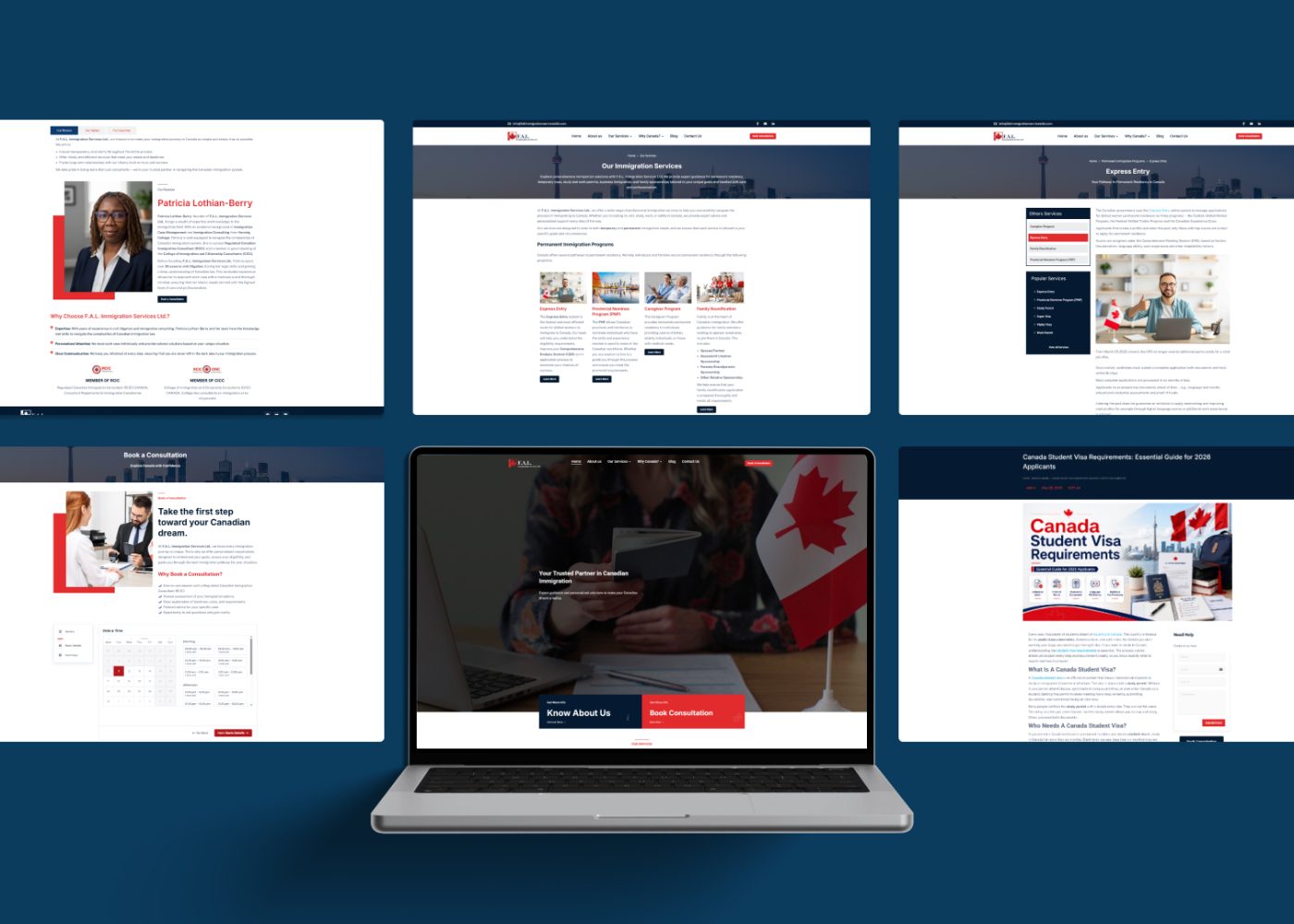
Test the experience on a phone, including forms and confirmations. A focused website design project can address gaps before you pay to attract visitors.
Search can be a sensible first test when these elements are ready. It still needs monitoring, relevant messaging, and reliable follow-up.
Consider Meta first when prospective clients need a clearer introduction to the service or your working approach.
A useful campaign might explain what an initial consultation includes, introduce the responsible professional, or answer a recurring preparation question.
This approach needs:
Choose the response route according to the offer and the options available in your account. Review what the person understands before they submit an enquiry or request contact.
A short explanation of a consultation gives people something concrete to evaluate.
Show the actual professional or use appropriate brand visuals. Keep the language consistent with the service page and the team’s response.
Explain the appointment format and any relevant fee information before someone commits to the next step.
A coordinated set of creative assets and campaign materials can support consistent production.
Meta becomes a more useful test when the team can maintain that explanation across the ad, response form or page, and follow-up.
For Canadian immigration consulting services, platform eligibility deserves attention early in the plan.
Google’s government documents and services policy restricts advertising for direct acquisition of specified government documents and services. It includes certification and exclusion processes. Assess the actual service, claims, and landing page against the current policy. Advertising Policies Help
Do not assume that professional licensing alone establishes the account’s advertising eligibility.
Google also lists services for immigrants within a sensitive interest category. Its guidance restricts advertiser-curated audiences for that category, including Customer Match and certain data segments. Review targeting against the applicable rules before building an audience strategy. Advertising Policies Help
For Meta, review the current Advertising Standards and any requirements applicable to the offer, campaign, and market before launch.
Resolve classification or approval questions through the platform’s official processes. The comparison becomes useful once the proposed activity is eligible and accurately represented.
For a practice advertising services provided by an RCIC, build professional review into campaign preparation.
Section 44 of the Code of Professional Conduct requires the licensee’s registered name prominently at or near the beginning of advertisements, in the advertisement’s language, and the public register’s internet address in written advertisements. It also prohibits misleading claims, success guarantees, and implications of a federal or provincial government relationship. laws-lois.justice.gc.ca
Review the ad, destination, and consultation description together.
Explain the professional work offered and the scope of the initial interaction. Confirm that the selected format can accommodate the information required.
Retain approved versions and assign responsibility for reviewing changes to service claims.
Define the stages before launching:
An appropriate enquiry means the request fits the advertised service and next step. Immigration eligibility belongs within the professional assessment.
Use consistent definitions across campaigns.
The following figures are hypothetical and constructed to explain the calculations.
| Measure | Google Search test | Meta test |
|---|---|---|
| Advertising spend | C$1,200 | C$1,200 |
| Enquiries | 24 | 60 |
| Enquiries matching service scope | 12 | 15 |
| Attended consultations | 8 | 6 |
| Signed service engagements | 4 | 3 |
| Ad spend per enquiry | C$50 | C$20 |
| Ad spend per signed engagement | C$300 | C$400 |
The enquiry count and the engagement outcome tell different parts of the story.
Review the full journey before deciding where additional spending belongs. Your actual results may favour either platform.
These calculations use media spend. Also examine creative production, management, software, and staff time when comparing the overall cost.
Allow enough time for enquiries to progress, and record how outcomes are attributed. A few engagements provide limited evidence for a lasting conclusion.
A campaign needs a consistent response process.
Record where the enquiry came from, the service requested, who is responsible, and the next agreed action.
Explain the consultation clearly and confirm who will conduct it. Keep appointments, preparation messages, and handovers organized.
Use appropriate contact permissions and communication preferences. Keep personal case details within the approved client process and out of advertising reports.
A CRM and marketing automation setup can help organize reminders, responsibilities, and reporting.
Review unsuitable enquiries and missed appointments for recurring causes. The issue may involve the message, service scope, response timing, or booking experience.
Improve the identified step before assuming the entire channel is unsuitable.
After confirming eligibility and readiness, use this decision guide.
| Your situation | Recommended starting point | Reason |
|---|---|---|
| Relevant service searches exist and a clear booking page is ready | Google Search test | The campaign can respond to an expressed service need |
| The audience needs an introduction and you have strong explanatory creative | Meta test | The offer can be introduced through useful visual communication |
| People misunderstand the service or consultation | Improve the message and page first | Clear expectations are necessary for evaluating either channel |
| Staff cannot handle additional enquiries consistently | Strengthen intake and capacity first | Advertising should match the practice’s ability to respond |
| One channel already produces suitable, sustainable work | Improve it, then consider a second channel | Expansion can build on an understood process |
A marketing strategy and consulting brief can connect the channel decision with the service, capacity, budget, and test criteria.
For a limited initial budget, choose a test large enough to answer a useful question. Splitting the money across several unrelated services and campaign types makes interpretation harder.
Use an initial review window, such as 30 days, to organize the work. Extend the assessment when volume or the client decision process requires more time.
Choose one priority offer and a clear audience need.
Decide whether the main result is an attended consultation or a signed service engagement. Track the earlier steps separately.
Review policy requirements, professional information, ad content, destination, forms, contact permissions, and confirmation messages.
Submit a test enquiry and follow it through the actual staff process.
Define the media budget, management and production resources, available appointments, and responsible person.
Decide how frequently enquiries and outcomes will be reviewed. Resolve broken forms, incorrect information, or missed messages promptly.
Check whether the campaign reaches people seeking the advertised support.
Compare service fit, attendance, engagement outcomes, costs, and staff effort. Record changes so their effects can be interpreted.
A sequential test can be practical for a small firm. When comparing different periods, account for changes in demand, service scope, and operations.
Introduce another channel when the first test has produced useful evidence and the team can support the additional work.
Define the new channel’s job: introduce the service, capture relevant searches, or explain the practice’s approach.
Keep the offer and professional information consistent while adapting the creative to the placement.
Record discovery information through appropriate reporting and intake questions. People may encounter the practice through several channels before contacting it, so attribution can remain incomplete.
Expand according to the combined business results and delivery capacity.
Your next project
Have a business in mind? Tell us about your ideas, your audience, and the identity you want to create.
Prefer a direct conversation?
Choose according to search demand, service relevance, advertising eligibility, website readiness, and capacity. A focused Search campaign can be a useful starting test when those conditions support it.
Assess your actual costs. A lower cost per enquiry can coexist with a higher cost per attended consultation or engagement. Include production, management, and follow-up effort in the comparison.
Some response routes may collect interest within the platform, depending on available options. Prospective clients still need accurate information about the firm, professional, service, fees, and next step. A useful website can support that evaluation.
Review the stated reason and the actual offer against the current policy. Use the appropriate certification, exclusion, review, or appeal process. Settle the eligibility issue before planning additional spending.
Choose a review window and spending limit that fit the available budget and enquiry volume. Allow for follow-up and later engagements. Treat limited early results as initial evidence and extend the assessment where needed.
Choose Google Search when relevant demand, an eligible offer, and a working consultation journey align. Choose Meta when a clear educational offer, suitable creative, and reliable response handling support discovery.
Measure either choice through suitable enquiries, attended consultations, signed work, and delivery effort.
M4YOURS IT helps immigration practices connect campaign strategy, creative, websites, intake, and reporting. Explore our digital marketing services or contact M4YOURS IT to plan a focused first test.
Adding {{itemName}} to cart
Added {{itemName}} to cart